
Trace of the Villa — a slow‑burn mansion mystery for patient clue readers
Trace of the Villa places you in the shoes of Jin, a protagonist who follows years of cold leads to a remote, decaying mansion and begins restoring systems that reveal a carefully concealed operation. Released on 28 May, 2026 by Steadyturtle Co., Ltd., the game leans into environmental storytelling, narrative puzzle design, and slow‑burn suspense aimed at players who prefer reading clues over constant action.

Quick facts
| Title | Trace of the Villa |
|---|---|
| Developer / Publisher | Steadyturtle Co., Ltd. |
| Release date | 28 May, 2026 |
| Platform | PC / Steam |
| Genres | Action, Adventure, Indie |
| Categories (Steam) | Single-player; Color Alternatives; Custom Volume Controls; Playable without Timed Input; Subtitle Options; Family Sharing |
| Short premise | Jin searches a decaying mansion for clues that his missing sister may still be alive; restoring power and unlocking safes uncovers encrypted documents and falsified identities. |
Who is this for?
If you prize atmosphere, slow pacing, and layered environmental storytelling, Trace of the Villa is aimed at players who enjoy methodical clue collection and narrative puzzle design. It suits people who prefer investigative mystery that unfolds through restored systems, the contents of safes and encrypted documents, and a steady accumulation of context rather than jump scares or constant combat.
What the game is
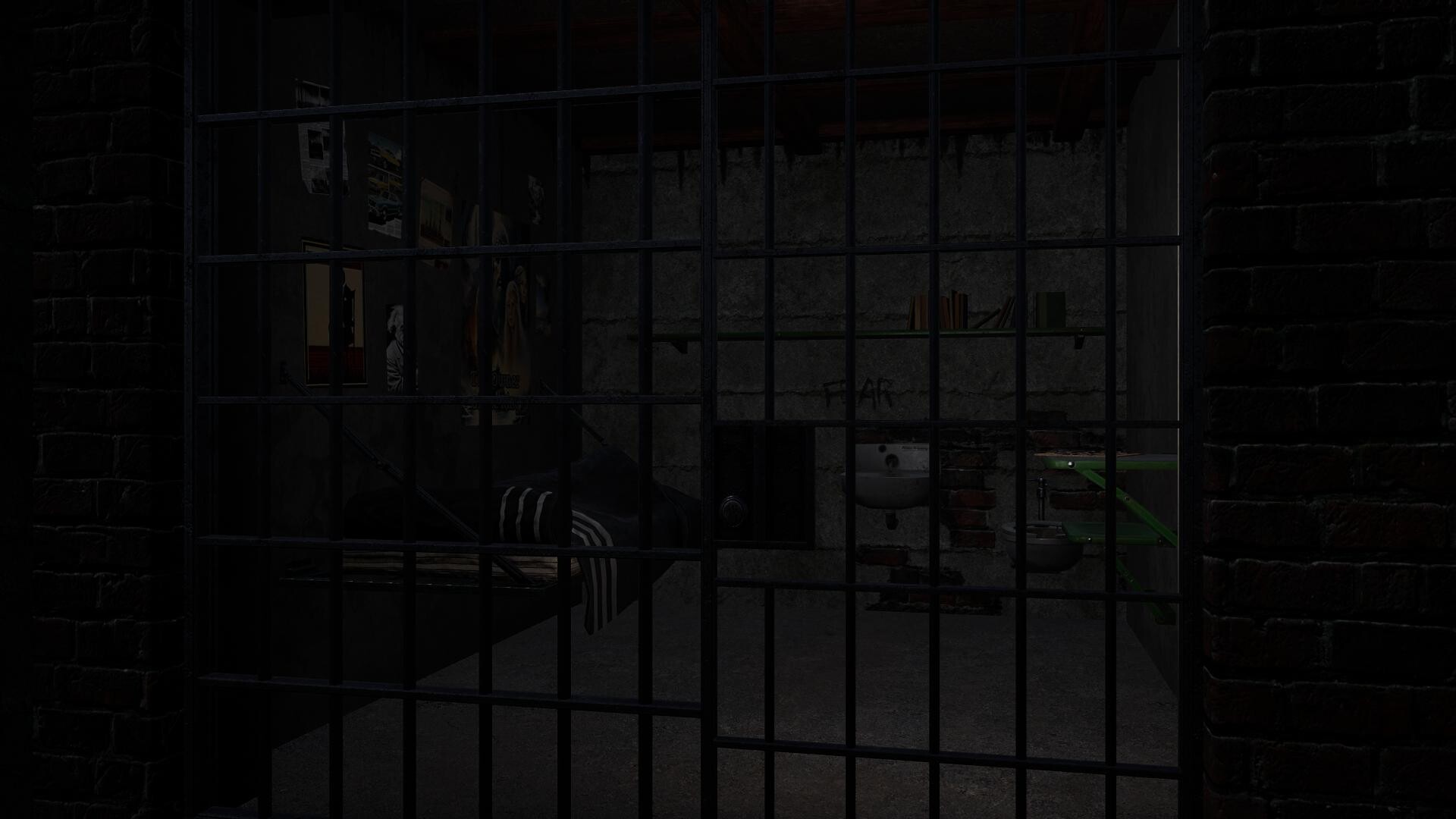
Officially described by its Steam page, Trace of the Villa follows Jin as he investigates a property “cut off from the grid and deliberately forgotten.” The mansion’s rooms appear frozen mid‑routine, with identities and records removed. Restoring power and accessing secured systems reveal fragments of encrypted documents, suspicious transfer records, and falsified identities—clues that suggest a more extensive, controlled operation rather than a single isolated event.

When and where to play
Trace of the Villa launched on Steam on 28 May, 2026. You can view its Steam page directly here: View on Steam.
Why the theme matters
The mansion mystery framing lets the game focus on concealed systems, erased identities, and financial/paper trails as puzzle elements. That emphasis shifts the investigative weight away from combat and toward deduction: restoring systems, unlocking compartments, and following bureaucratic smoke trails that point to human stories left undocumented. For players who want a mystery grounded in documents and reconstructed timelines, that thematic choice shapes pacing and satisfaction.
How you read clues and progress
- Exploration and interaction: Rooms are staged as if vacated mid‑routine. Items and personal effects exist but lack explicit identifiers, forcing closer inspection.
- Systems and restoration: Bringing power and systems back online reveals locked mechanisms, safes, and encrypted files that act as gating devices for story beats.
- Puzzle types: Expect environmental puzzles, access challenges tied to restored systems, and document‑based cryptography or pattern reconstruction rather than reflex tests—the Steam categories include “Playable without Timed Input.”
- Progression feel: The game reads like a slow, focused investigation that layers evidence—each solved puzzle tends to open another thread rather than delivering cinematic set‑pieces.
Specific player scenarios — who should wishlist it?
- Scenario A — The patient investigator: You enjoy piecing a mystery together from documents, logs, and the state of rooms. You’ll appreciate the game’s slow pacing and environmental clues.
- Scenario B — The atmospheric explorer: You value tone, lighting, and architecture that convey story without explicit exposition. The mansion’s “erased” feel will be appealing.
- Scenario C — The puzzle‑first player: You want puzzles that integrate with narrative systems (power, safes, encrypted records) rather than isolated minigames or combat‑driven progression.
- Scenario D — Not ideal: If you prefer fast action, frequent combat, or quick payoff stories, this title’s slow‑burn style and clue accumulation may feel deliberate and unhurried.
How it compares—editorial discovery table
Below is a compact editorial comparison using lawful criteria: genre, atmosphere/pacing, puzzle vs. action emphasis, and preferred player fit.
| Title | Genre / Release | Atmosphere & Pacing | Puzzle vs. Action | Player fit |
|---|---|---|---|---|
| Trace of the Villa | Action, Adventure, Indie — 28 May, 2026 | Slow‑burn mansion mystery, immersive environmental storytelling | Document and system‑based puzzles; exploration focused | Players who like clue‑driven, narrative puzzles and restoration mechanics |
| Rusty Lake Hotel | Adventure, Indie — 29 Jan, 2016 | Dark, surreal, vignette‑based; compact episodes | Point‑and‑click puzzle focus with bizarre narrative beats | Fans of terse, eerie puzzles and anthology‑style mysteries |
| The Medium | Adventure — 28 Jan, 2021 | Psychological, dual‑realm exploration with deliberate pacing | Exploration + psychological horror; narrative puzzles blended with atmosphere | Players who want psychological themes with strong narrative set pieces |
| Layers of Fear | Adventure — 15 Jun, 2023 (collection) | Psychological horror, surreal and often unsettling; variable pacing | Exploration and story puzzles; mood and reveal driven | Players seeking atmospheric, artistically focused horror narratives |
YouTube discovery
If you want trailer or gameplay clips, search YouTube using this query path (useful for finding trailers and player footage): Trace of the Villa trailer & gameplay (YouTube search). This link is a discovery path; the presence of specific videos should be verified on YouTube for official labeling.
Steam page: https://store.steampowered.com/app/3483660/Trace_of_the_Villa/
Disclaimer: referenced titles and trademarks belong to their respective owners. Comparisons here are editorial discovery only and do not imply endorsement or official connection.
Leave a Reply