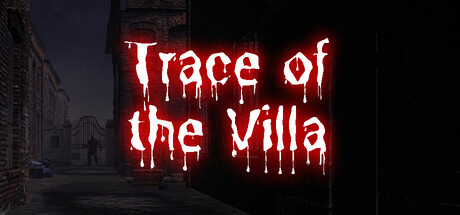
Trace of the Villa — a slow‑burn mansion mystery for patient clue readers
Trace of the Villa places you in the shoes of Jin, a lone investigator piecing together a vanished household’s secrets inside a decaying, off‑grid mansion. Launched on Steam by Steadyturtle Co., Ltd. on 28 May, 2026, it leans toward environmental storytelling, narrative puzzle design, and methodical exploration rather than action spectacle.

At a glance — key facts
| Title | Trace of the Villa |
|---|---|
| Steam App ID | 3483660 |
| Release date | 28 May, 2026 |
| Developer / Publisher | Steadyturtle Co., Ltd. |
| Genres | Action, Adventure, Indie |
| Categories (selected) | Single-player; Color Alternatives; Custom Volume Controls; Playable without Timed Input; Subtitle Options; Family Sharing |
| Short premise | Jin searches for his missing sister at a remote, decaying mansion where manifests and hints suggest she may still be alive. |
Who this is for
Players who prefer patient, clue-driven exploration and environmental mystery over fast-paced combat. If you enjoy story-rich adventure where atmospheric detail, inventory or device‑based puzzles, and slowly revealed financial or identity traces matter, Trace of the Villa is aimed at that audience. The game’s Steam categories — including “Playable without Timed Input” and subtitle options — suggest a pacing that rewards careful reading and methodical play rather than reflexes.
What the game does
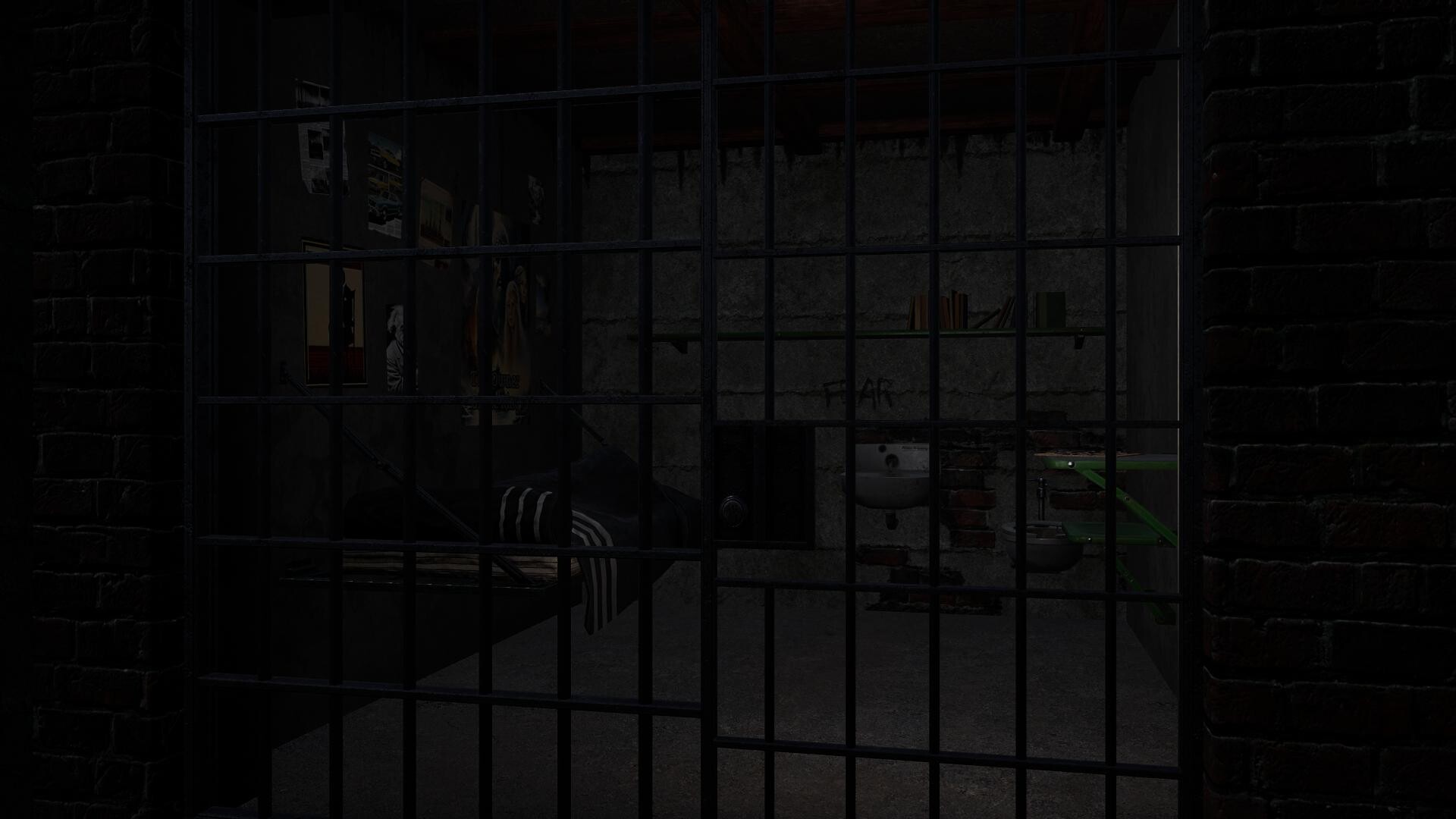
According to the Steam description, you play as Jin, investigating a deliberately forgotten mansion. Restoring power to the estate triggers locked systems and hidden compartments; safes and secured systems yield fragments of encrypted documents and suspicious records. The emphasis is on uncovering layers of a concealed operation through puzzles and environmental clues rather than immediate action beats.
When and where
Trace of the Villa was released on Steam on 28 May, 2026. The Steam store page lists the title’s genres and accessibility categories and includes official media and the short description quoted above. If this fits your interests, you can visit the Steam page and wishlist or purchase via the store link below.
Why the theme matters
The mansion setup — a place that feels “erased” rather than merely abandoned — frames a type of mystery that rewards players who read artifacts as evidence: manifests, transfer records, falsified identities. That focus on procedural or bureaucratic traces sets Trace of the Villa apart from haunt-driven horror; it frames suspense as an unraveling of human systems and hidden logistics, which appeals to readers of slow-burn investigative fiction and procedural mystery games.
How you read clues and progress
Per the Steam description, progression is driven by restored systems and decrypted fragments. Expect puzzles that require recovering power, unlocking secured compartments, and assembling timelines from documents and manifests. The “Playable without Timed Input” category indicates puzzles you can solve without pressure, and subtitle options provide clarity for players who prefer textual reinforcement of audio cues. Overall, the game signals a puzzle‑forward loop: investigate, restore, decrypt, and follow the next lead.
Comparison: where Trace of the Villa sits among mystery and psychological titles
The table below compares editorially relevant traits — atmosphere, puzzle focus, exploration style, story tone, and pacing — to help you decide which title matches your taste. These are lawful editorial comparisons based on public store descriptions and genre tags; they are not endorsements.
| Title | Atmosphere | Puzzle focus | Exploration style | Story tone & pacing | Who might like it |
|---|---|---|---|---|---|
| Trace of the Villa | Decaying, erased mansion; investigative, procedural | Document/lock/device puzzles, power restoration, encrypted fragments | Slow, methodical room‑by‑room discovery | Slow‑burn, clue‑driven, narrative puzzle design | Players who prefer environmental storytelling and methodical investigation |
| Rusty Lake Hotel | Dark, eerie, surreal | Point‑and‑click puzzle sequences | Discrete rooms with vignette puzzles | Quick, vignette‑based puzzles with surreal tone | Fans of compact, eerie point‑and‑click puzzles |
| The Medium | Psychological, dual‑reality atmosphere | Environmental and narrative puzzles tied to two worlds | Third‑person exploration across parallel realms | Psychological, story‑heavy, moderate pacing | Players who like psychological investigation with cinematic presentation |
| Layers of Fear | First‑person, art‑house psychological horror | Exploration and story‑uncovering rather than mechanical puzzles | Linear, atmospheric corridors and rooms | Slow, unsettling, introspective | Those who prioritize mood and psychological storytelling |
Player scenarios — who should wishlist
- You’re a patient player who enjoys reconstructing timelines from documents and manifests, and you prefer puzzles without real‑time pressure. Wishlist this.
- You prioritize cinematic horror setpieces and split‑reality mechanics (e.g., dual‑realm traversal). Consider something like The Medium instead.
- You like compact, often surreal point‑and‑click puzzles and short vignette structure. Rusty Lake Hotel aligns more closely with that playstyle.
- You want loud, action‑oriented gameplay or rhythm‑driven combat; Trace of the Villa’s emphasis on exploration and clues will feel slow by comparison.
Steam CTA
Steam page
View Trace of the Villa on Steam
YouTube discovery
For trailer and gameplay discovery, use YouTube search rather than relying on unverified embeds: Find Trace of the Villa trailer and gameplay searches on YouTube.
Leave a Reply