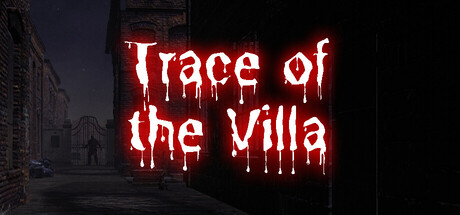
Trace of the Villa and the Quiet Terror of Environmental Dread
Trace of the Villa is a slow-burn mystery set inside a remote, decaying mansion where Jin searches for his missing sister by restoring power, opening hidden compartments and following manifests that suggest she may still be alive. The game leans on silence, unsettling room design, and incremental discoveries rather than jump scares to create tension.

Quick facts
| Title | Trace of the Villa |
|---|---|
| Developer / Publisher | Steadyturtle Co., Ltd. |
| Release date | 28 May, 2026 |
| Steam AppID | 3483660 |
| Genres | Action, Adventure, Indie |
| Categories / Features | Single-player; Color Alternatives; Custom Volume Controls; Playable without Timed Input; Subtitle Options; Family Sharing |
| Official short description | Jin has spent years searching for his missing sister, pursuing leads that took him to a remote, decaying mansion where he recovered manifests and hints that indicate his sister may still be alive, somewhere at the end of the trail he is about to follow. |
What the game actually is
Trace of the Villa is a narrative, clue-driven exploration set in an isolated estate cut off from the grid. The official description makes clear the core loop: Jin restores power to the mansion, secured systems come back online, hidden compartments unlock and safes yield fragments of encrypted documents and transfer records. Puzzles and recovered documents form the investigative backbone rather than reflex-based combat or timed encounters.

Who this is for
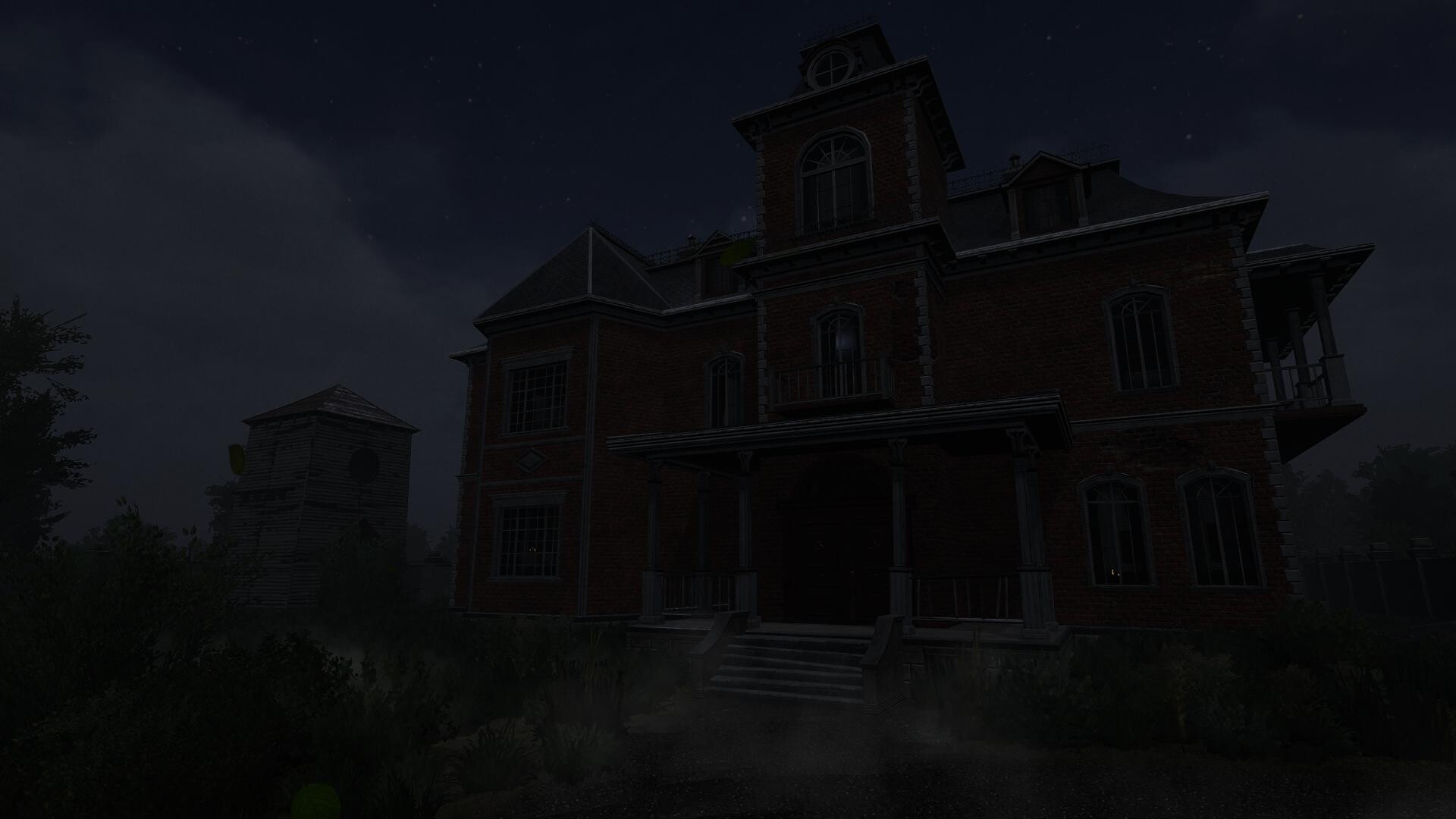
If you favor atmospheric mystery adventure on PC — driven by environmental storytelling and slow-burn suspense — Trace of the Villa is clearly aimed at you. Players who prefer investigative, puzzle-led progression to frequent shocks, and those who appreciate unsettling room design that communicates narrative through props and powered-up systems, will find the experience aligned with their tastes.
When and where
Trace of the Villa released on Steam on 28 May, 2026. It’s listed as an Action / Adventure / Indie title on its Steam page and carries categories familiar to single-player story-driven players: subtitle options, custom volume controls, and the option to play without timed input.
Why environmental dread and silence matter more than shock
Psychological tension that builds from environmental detail — rooms arranged as if people vanished mid-routine, personal belongings left undisturbed, system logs and manifests to sift through — rewards careful observation. Silence and design choices let players imagine what happened instead of forcing a single loud moment on them. The game’s description emphasizes erased identities, falsified records and movements masked behind transfers; those are cues designers can use to let dread accumulate as the player assembles the timeline.
How progression and investigation work
According to the Steam description, progression is procedural and discovery-based: restore power, watch systems reinitialize, open locked areas, and parse encrypted document fragments and manifests. Solving puzzles reveals further secrets — financial trails, falsified identities, and evidence of controlled arrivals and departures — so the act of piecing together the mystery is narrative advancement. That means patience and attention to detail are required more than twitch reactions.
Player scenarios — should you wishlist it?
- The methodical collector: You enjoy reading logs, cross-referencing manifests, and solving layered puzzles to reveal a story. This is a fit.
- The atmosphere-first player: You prioritize unsettling room design and silence that amplifies dread rather than frequent jump scares.
- The exploration-minded mystery fan: You like games where narrative beats come from exploration and environmental clues, not cutscenes or combat setpieces.
- Not ideal for: Players seeking fast-paced horror action or frequent combat encounters — the game’s emphasis is investigation and story uncovering rather than nonstop shocks.
How it compares to nearby titles
Below is a concise editorial comparison focused on genre, atmosphere, puzzle emphasis, exploration style, story tone and pacing.
| Title | Release Date | Primary Focus | Pacing / Tone | Player fit |
|---|---|---|---|---|
| Trace of the Villa | 28 May, 2026 | Clue-driven exploration, environmental storytelling, investigative puzzles | Slow-burn, quietly unsettling | Players who prefer atmospheric investigation and room-based narrative clues |
| Amnesia: The Dark Descent | 8 Sep, 2010 | First-person survival horror focused on immersion and dread | Immersive, tense; heavier on dread and immediate threats | Players who want survival-oriented tension and a visceral nightmare experience |
| SOMA | 21 Sep, 2015 | Sci-fi horror with existential themes and survival elements | Brooding, narrative-driven with sustained tension | Players attracted to philosophical themes and exploration under pressure |
| Layers of Fear (2016) | 15 Feb, 2016 | Psychological horror set in a Victorian mansion with shifting environments | Unnerving, artful pacing with surreal moments | Players who like unreliable spaces and narrative-driven scares |
| Poppy Playtime | 12 Oct, 2021 | Horror/puzzle adventure in an abandoned toy factory | Sharper, more set-piece oriented tension | Players who prefer puzzle mechanics integrated with more active threats |
YouTube discovery
If you want trailers or gameplay impressions, search for Trace of the Villa on YouTube (use this discovery link to review available videos; we do not claim a specific official video here): YouTube search for Trace of the Villa trailer & gameplay.
View Trace of the Villa on Steam
Disclaimer
Referenced titles and trademarks belong to their respective owners. Comparisons in this article are editorial discovery only and based on publicly available Steam descriptions and provided reference material.
Leave a Reply