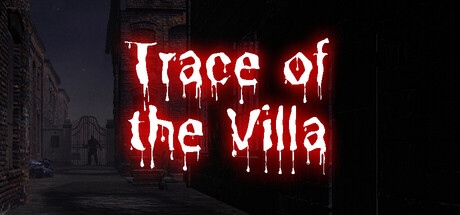
Trace of the Villa and the Power of Quiet Dread
Trace of the Villa channels environmental dread through silence and unsettling room design: a slow-burning, clue-driven investigation that treats a decaying mansion as a character in its own right. Instead of relying on jump scares, the game leans on furnished rooms that feel “erased,” locked secrets revealed by restoring power, and a tightening sense of uncertainty as Jin follows leads about his missing sister.

Who is this for?
If you prefer atmospheric mystery adventure and psychological investigation over adrenaline-first horror, Trace of the Villa is pitched at you. The game suits players who value environmental storytelling, methodical clue-gathering, and slow-burn suspense: people who like to read a room for meaning and let silence do the heavy lifting.
What the game is
Trace of the Villa is an Action / Adventure / Indie title from developer and publisher Steadyturtle Co., Ltd. According to the official Steam page, you play as Jin, who has spent years searching for his missing sister. Leads take him to a remote, decaying mansion where manifests and hints suggest she may still be alive somewhere down the trail he’s about to follow.
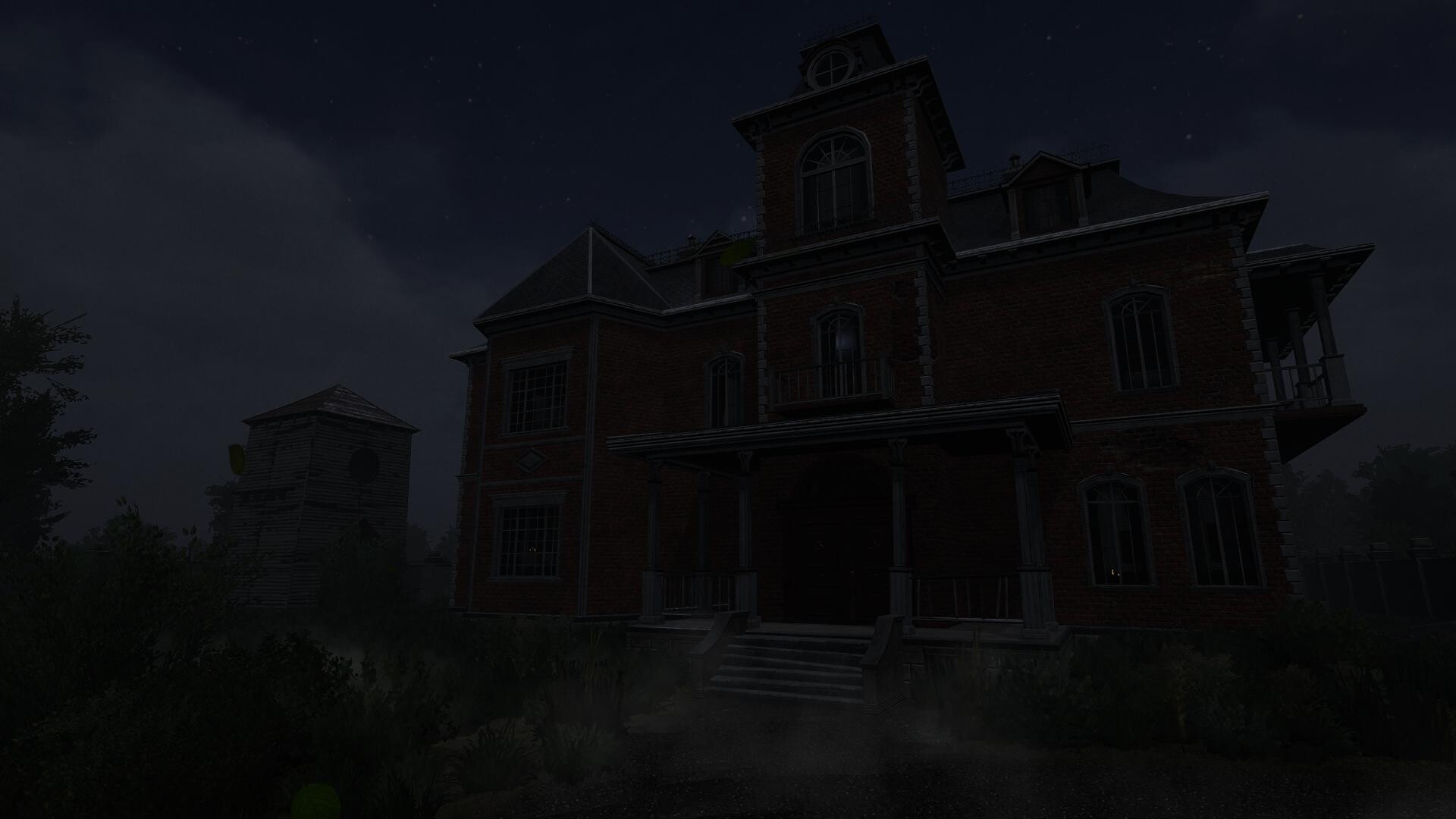
The mansion’s presentation matters: rooms remain furnished as if occupants vanished mid-routine, locked doors hide secured secrets, and missing personal identifiers create a feeling that identities were removed. Restoring power unspools secured systems, hidden compartments, safes and fragments of encrypted documents that map a larger, concealed operation.
When and where
Trace of the Villa launched on Steam on 28 May, 2026. It is presented as a single-player PC experience and includes accessibility and comfort features listed on its Steam page (Color Alternatives, Custom Volume Controls, Playable without Timed Input, Subtitle Options, Family Sharing).
Why the theme matters: environmental dread, silence, and unsettling room design
Many contemporary horror games chase reflexive fear. Trace of the Villa asks a different question: what happens when design strips context away and forces the player to fill it in? The mansion’s “erased” quality—no photographs, no names, no history—creates an uncanny socket where players project motives, timeline gaps and dread. Silence amplifies that projection. Instead of a loud scare, a room’s careful mise-en-scène, a half-open drawer or a bank of reactivating monitors, becomes the means by which tension accumulates and the player’s imagination does the rest.
How you progress: clues, power, and layered discovery
The official description highlights a practical progression loop: Jin recovers manifests and hints; he restores power to the estate; secured systems come back online; hidden compartments unlock; safes yield fragments of encrypted documents and suspicious transfer records. This is clue-driven exploration and puzzle-oriented investigation rather than combat-first gameplay. Each solved puzzle uncovers another layer of a carefully concealed operation and nudges the narrative forward.
Compact facts — Trace of the Villa
| Title | Trace of the Villa |
|---|---|
| Steam App ID | 3483660 |
| Release date | 28 May, 2026 |
| Developer | Steadyturtle Co., Ltd. |
| Publisher | Steadyturtle Co., Ltd. |
| Genres | Action, Adventure, Indie |
| Notable Steam categories | Single-player; Color Alternatives; Custom Volume Controls; Playable without Timed Input; Subtitle Options; Family Sharing |
| Premise (official) | Jin searches a remote, decaying mansion and recovers manifests and hints that his missing sister may still be alive. |

Who should wishlist it — player scenarios
- Investigative players: You like puzzle loops that unlock narrative pieces rather than combat encounters.
- Atmosphere-first players: You respond to silence, texture, and room detail as primary storytelling tools.
- Slow-burn preference: You prefer creeping uncertainty and layered reveals over jump-scare bursts.
- Accessibility-minded players: The Steam listing includes subtitle options, custom volume controls, and settings to avoid timed input.
How it compares — short editorial table
| Game | Year | Genre/Focus | Atmosphere | Puzzle / Exploration | Pacing / Tone |
|---|---|---|---|---|---|
| Trace of the Villa | 2026 | Action / Adventure / Indie — clue-driven investigation | Decaying mansion, erased identities, quiet dread | Restore power, unlock safes, piece together manifests and encrypted fragments | Slow-burn, investigative |
| Amnesia: The Dark Descent | 2010 | Action / Adventure / Indie — immersion and survival horror | Claustrophobic, gothic dread | Discovery-focused with survival elements | Intense, suspenseful |
| SOMA | 2015 | Action / Adventure / Indie — sci-fi existential horror | Submerged, isolating, existential | Exploration with puzzle and narrative emphasis | Philosophical, creeping |
| Layers of Fear (2016) | 2016 | Adventure / Indie — psychological, narrative atmosphere | Shifting Victorian mansion, hallucinatory | Environmental puzzles and story beats | Unsettling, disorienting |
| Poppy Playtime | 2021 | Action / Adventure / Indie — puzzle-horror with toy-factory setting | Playful-turned-ominous, toy-themed dread | Puzzle tools (GrabPack), environmental traps | Mixed tempo: puzzle-focused with sudden threats |
YouTube discovery
If you want to see trailers or gameplay clips, use this YouTube search path (search results may include trailers and gameplay footage; the search URL is not an endorsement of any particular video): Search Trace of the Villa trailer / gameplay on YouTube.
Steam listing: Trace of the Villa on Steam
Referenced titles and trademarks belong to their respective owners. Comparisons in this piece are editorial discovery and not endorsements.
Leave a Reply