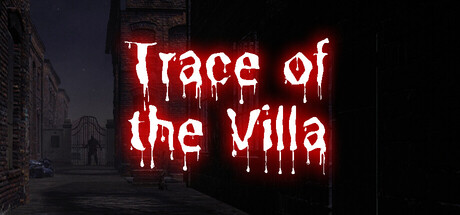
Trace of the Villa — why silence, rooms, and slow dread matter more than jump scares
Trace of the Villa trades headline screams for environmental dread: a decaying mansion, rooms that look lived-in but emptied of identity, and the thick hush of a place deliberately erased. For players who prefer slow-burn suspense built from unsettling room design and forensic exploration rather than shocks on demand, this Steam release is worth watching.

Quick facts
| Title | Trace of the Villa |
|---|---|
| Developer / Publisher | Steadyturtle Co., Ltd. |
| Release date | 28 May, 2026 |
| Genres | Action, Adventure, Indie |
| Key Steam categories / features | Single-player; Color Alternatives; Custom Volume Controls; Playable without Timed Input; Subtitle Options; Family Sharing |
| Steam App | appid 3483660 |
Who is this for?
If you respond to atmosphere over adrenaline—players who enjoy atmospheric mystery adventure and clue-driven exploration—Trace of the Villa aims squarely at you. It’s pitched toward people who like to read a space for meaning: those who prefer rooms that imply stories, objects that point to unanswered questions, and a steady, investigative pace instead of scripted jump-scares.
What the game is
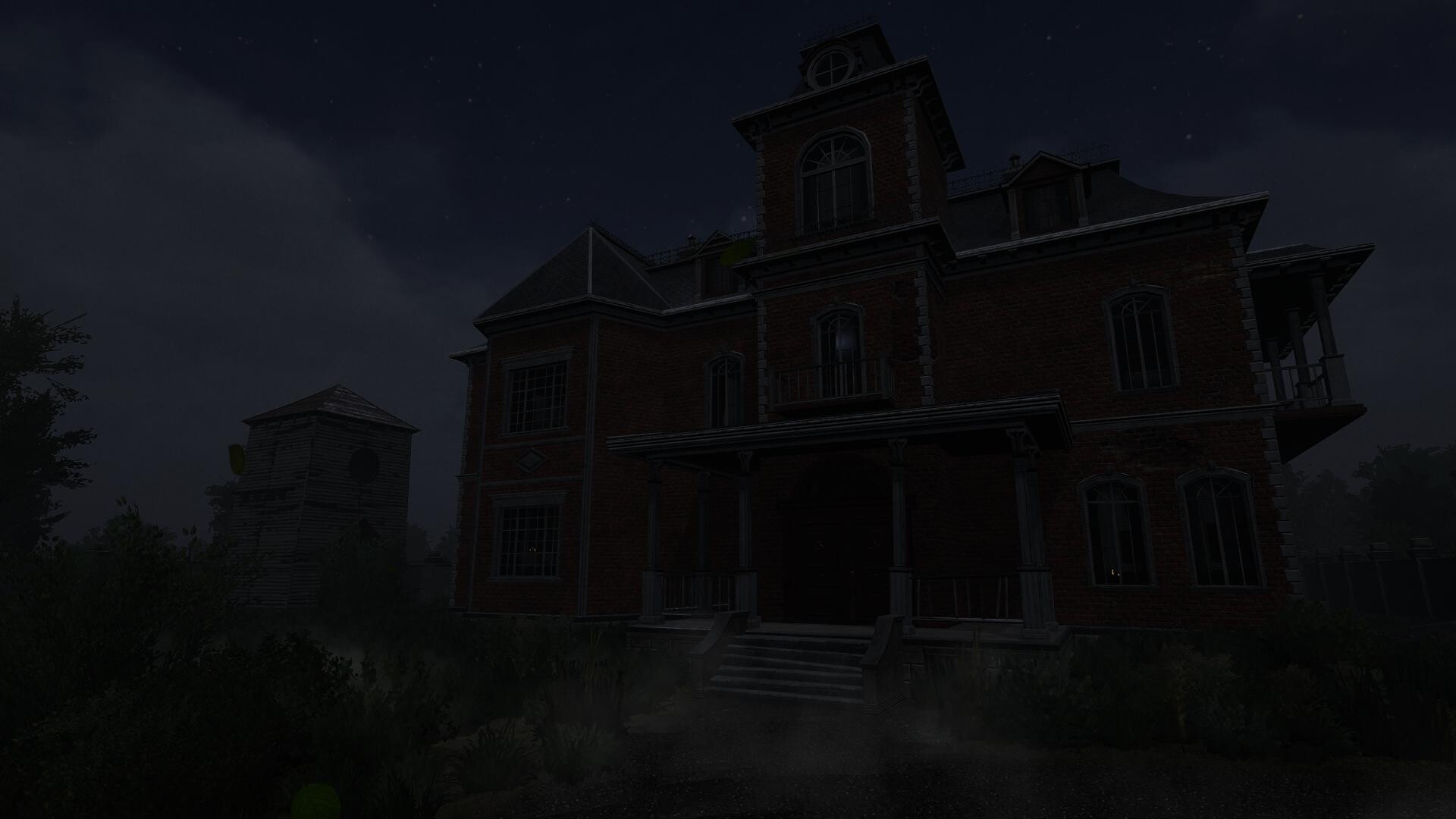
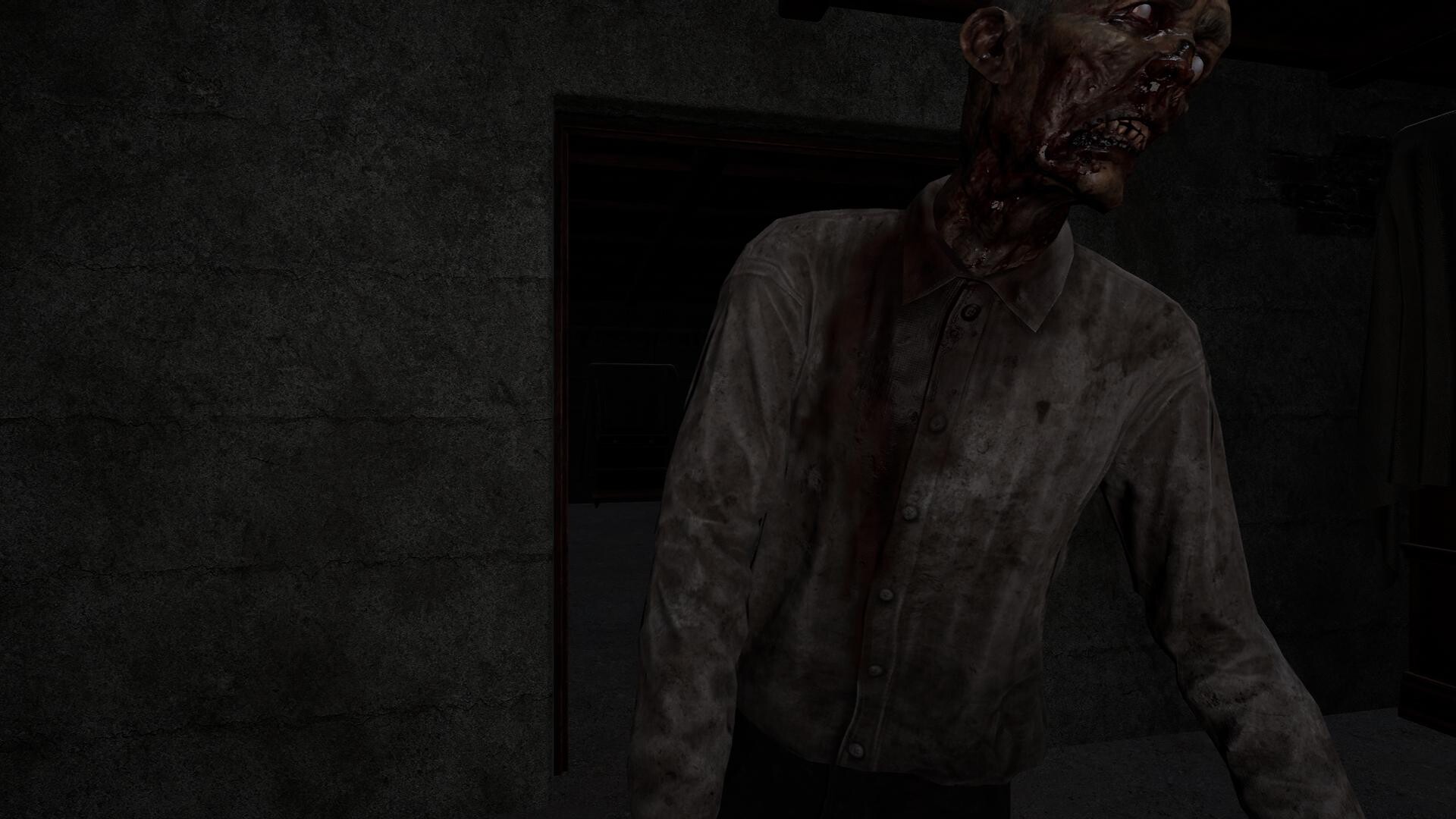
Officially, Trace of the Villa follows Jin, a protagonist who has searched for his missing sister for years and follows a new lead to a remote, decaying mansion. The Steam description emphasizes environmental storytelling: rooms furnished as if occupants vanished mid-routine, locked doors, personal items without names or photographs, and systems that reveal hidden records when power is restored. Gameplay blends exploration, puzzle-solving, and narrative investigation inside a single-player context.
When and where (Steam / PC context)
Trace of the Villa launched on Steam on 28 May, 2026. It appears on Steam with the single-player and accessibility features listed above; the Steam appid is 3483660. If you want to follow or wishlist it, the Steam store page is the official place to check details and system requirements.
Why quiet tension and uncertainty matter
In psychological horror and tension games, silence and design choices do heavy emotional work. The Steam description for Trace of the Villa repeatedly frames the mansion not as empty but as intentionally erased: missing photographs, anonymized personal effects, and financial and identity clues behind locked compartments. That selective absence forces players to become detectives of place. When a room omits a humanizing detail—no name on a desk, no family photo—the mind fills the gap with possibility and dread. That slow accumulation of unanswered details produces a more sustainable, lingering unease than a succession of jump-scares.
How you progress: reading spaces, restoring systems, and puzzle beats
The Steam description lays out several concrete mechanics and design beats you can expect: restoring power to the estate brings secured systems back online; hidden compartments and safes can be unlocked; manifests and encrypted documents provide fragments of a larger trail. Progress is therefore a mix of environmental reading and mechanical action—observe a room, recover an item or clue, restore a system or solve a lock, then follow the trail revealed by administrative records and suspicious transfer logs. That sequence rewards patience and methodical searching rather than reflexive fleeing.
Who should wishlist it: player scenarios
- Investigative players who like to parse room layout and object placement for narrative detail.
- Fans of slow-burn suspense and mansion mysteries that emphasize atmosphere and clues over action setpieces.
- Explorers who value puzzles tied to story beats—finding documents, restoring systems, and piecing timelines together.
- Players who prefer single-player experiences with subtitle options and customizable audio controls.
How Trace of the Villa sits next to other well-known psychological horror titles
Below is an editorial comparison on lawful criteria: genre, atmosphere, puzzle focus, exploration style, story tone, and pacing. This is intended to help you decide fit, not to rate or endorse.
| Title | Release | Genre / Tone | Exploration & Puzzle focus | Pacing |
|---|---|---|---|---|
| Trace of the Villa | 28 May, 2026 | Action / Adventure / Indie — mansion mystery, environmental dread | Clue-driven exploration, restoring systems, locked compartments and documents | Slow-burn investigative |
| Amnesia: The Dark Descent | 8 Sep, 2010 | Action / Adventure / Indie — immersion and existential dread | First-person immersion, physics and environment-based puzzles | Slow, claustrophobic tension |
| SOMA | 21 Sep, 2015 | Action / Adventure / Indie — sci-fi existential horror | Exploration with thought-provoking narrative puzzles; environment reveals story | Measured, narrative-driven |
| Layers of Fear (2016) | 15 Feb, 2016 | Adventure / Indie — psychological, surreal mansion exploration | Atmospheric exploration; changing environment as a storytelling device | Variable, often disorienting slow-burn |
| Poppy Playtime | 12 Oct, 2021 | Action / Adventure / Indie — tense puzzle-horror in an abandoned toy factory | Puzzle tools (GrabPack) and set-piece encounters; more direct threats | Faster-paced puzzle-horror with sharper panic moments |
YouTube discovery
If you want to watch trailers or gameplay footage, use this search path to find videos: Search Trace of the Villa on YouTube. This is a discovery link; confirm whether a video is official on the publisher’s or Steam page.
View Trace of the Villa on Steam
Referenced titles and trademarks belong to their respective owners. Comparisons above are editorial discovery and intended to show differences in atmosphere, puzzle emphasis, exploration style, story tone, and pacing—not to imply endorsement.
Leave a Reply