
Trace of the Villa: why environmental dread and quiet uncertainty matter more than cheap shocks
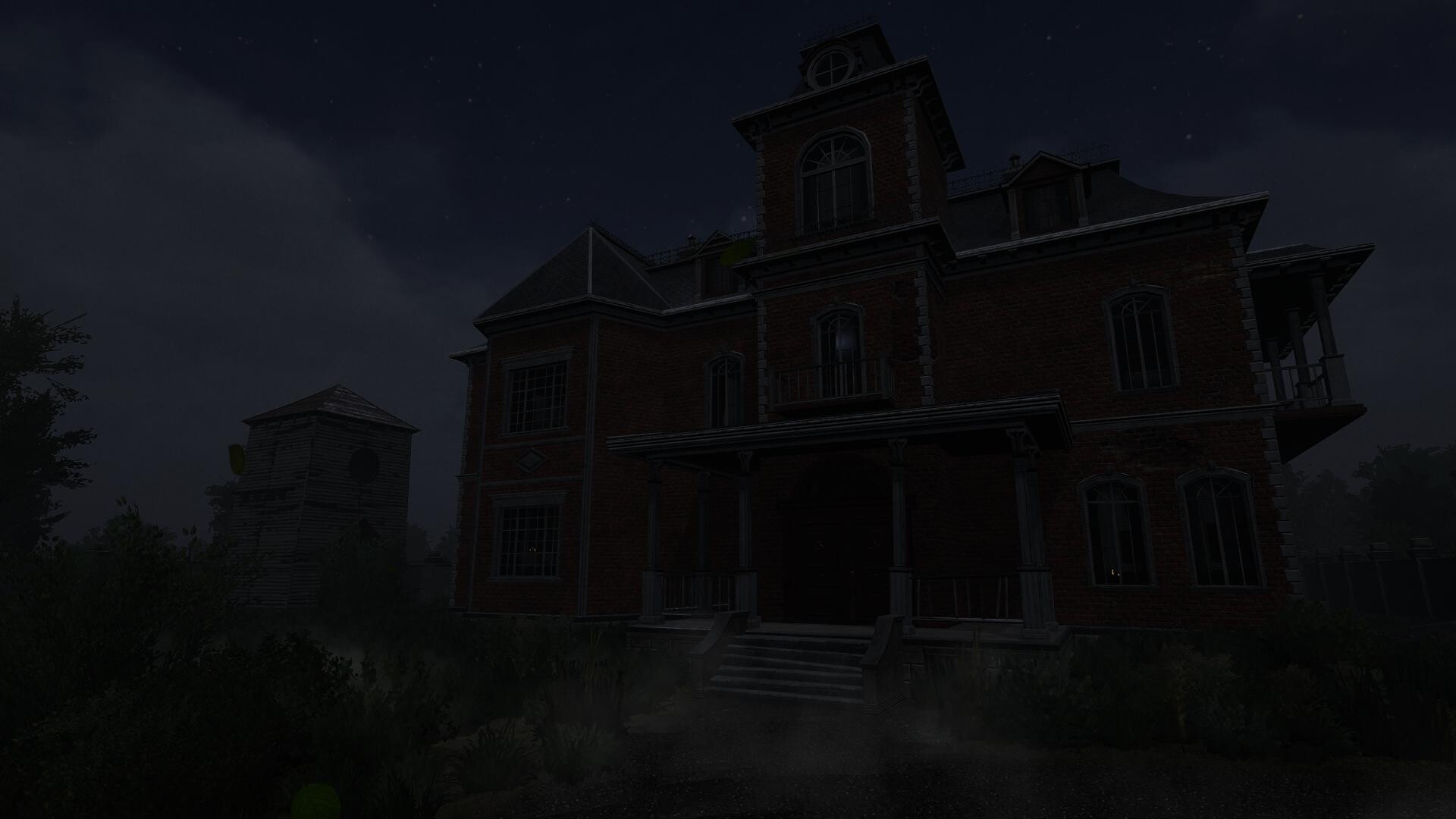
Trace of the Villa arrives on Steam as a slow-burn, clue-driven exploration of a decaying mansion where silence and unsettling room design do most of the heavy lifting. Rather than trading on jump scares, the game leans into environmental dread—the uneasy feeling of a place that has been erased of identity—to make each discovery mean something.

Who should wishlist Trace of the Villa?
If you prefer atmospheric mystery adventure on PC—where pacing, environmental storytelling and layered clues beat reflex-based scares—this is aimed at you. Players who enjoy methodical exploration, reading manifests and piecing together a timeline from objects and locked systems will find the game fits their tastes. It’s also a fit for people who appreciate narrative puzzle design and the psychological strain of uncertainty rather than constant adrenaline spikes.
What the game is (concise)
Trace of the Villa is a story-rich adventure on Steam about Jin, a protagonist searching for his missing sister. Leads take him to a remote, decaying mansion where he recovers manifests and hints that suggest his sister may still be alive. Inside, rooms feel furnished as if occupants vanished mid-routine; locked doors, hidden compartments and secured systems gradually reveal a tightly controlled operation tied to falsified identities and opaque financial trails. The developer and publisher are Steadyturtle Co., Ltd.
| Title | Trace of the Villa |
|---|---|
| Developer / Publisher | Steadyturtle Co., Ltd. |
| Release date (Steam, PC) | 28 May, 2026 |
| Primary genres | Action, Adventure, Indie |
| Steam categories | Single-player; Color Alternatives; Custom Volume Controls; Playable without Timed Input; Subtitle Options; Family Sharing |
When and where: Steam context
Trace of the Villa released on 28 May, 2026 and is listed on Steam for PC. If you want to follow or wishlist it, the Steam store page is here: Trace of the Villa on Steam.
Why environmental dread and silence matter here
The official Steam description frames the mansion as “less abandoned than erased”: rooms frozen mid-routine, personal belongings without names or photographs, and a silence that feels suffocating. That design choice matters because it forces players to supply emotional weight. Where jump-scare games tell you to feel fear in a single instant, a game that removes context—names, records, simple human anchors—keeps you unsettled for longer. The mansion’s quiet becomes a character: restoring power is not just a mechanical step, it’s an ethical act of turning a light on in a place built to forget.
How you progress: clue-driven investigation and environmental puzzles
- Investigation is physical and deductive: Jin recovers manifests and hints, restores power to systems, and opens locked doors and compartments to reveal fractured records.
- Restoring infrastructure matters. The official description notes that when Jin restores power, secured systems come back online and safes yield fragments of encrypted documents and suspicious transfer records—meaning exploration and puzzle solving unlock narrative layers.
- Progression is about assembling timelines: encrypted documents, falsified identities and financial trails all point to a system of arrivals without records and departures without witnesses, so piecing together what happened is the principal reward.

How it differs from nearby mystery / puzzle games
| Title | Core mood | Puzzle focus | Exploration style | Pacing / tone | Player fit |
|---|---|---|---|---|---|
| Trace of the Villa | Environmental dread, erased identities | Clue-driven, power-restoration, encrypted documents | Slow, room-by-room investigation of a decaying mansion | Measured, suspenseful, uncertain | Players who want narrative puzzles and sustained psychological tension |
| Amnesia: The Dark Descent | Immersive dread and survival horror | Survival and environmental puzzles with sanity mechanics | Claustrophobic, first-person manor and castle spaces | High-intensity immersion with recurring panic moments | Players who want visceral first-person dread and immersion |
| SOMA | Sci-fi existential dread | Puzzle and narrative interaction in a hostile environment | Exploration of a submerged facility with narrative beats | Philosophical, tense, methodical | Players who prefer story-driven, thought-provoking horror |
| Layers of Fear (2016) | Psychological, shifting-manor surrealism | Environmental and narrative puzzles tied to perception | Changing Victorian mansion with metamorphic spaces | Atmospheric and increasingly disorienting | Players who like surreal, art-focused psychological horror |
| Poppy Playtime | Playful-but-perverse factory horror | Puzzle mechanics tied to tools (GrabPack) and timing | Exploratory factory with set-piece encounters | Upbeat visuals masking tense encounters | Players who want puzzle-horror with brighter visuals and set scares |
Player scenarios — who will enjoy specific elements
- If you like reading scattered documents, reconstructing timelines and decrypting the meaning behind objects: expect to spend time in examination and deduction.
- If you prefer forced-action gameplay, frequent scares or combat-heavy sequences: this is likely not aimed at you—the design prioritizes tension and investigation over shock frequency.
- If you value accessibility options and steady control over audiovisual intensity: Steam categories list subtitle options, custom volume controls and playable without timed input among its features.
YouTube discovery
If you want trailers or gameplay clips, search results can be found here (use as a discovery path): Trace of the Villa trailer & gameplay — YouTube search. This link is a search path; it does not verify an official video.
Steam link: Trace of the Villa on Steam
Disclaimer: referenced titles and trademarks belong to their respective owners. Comparisons here are editorial discovery based on available Steam descriptions and public store information only.
Leave a Reply