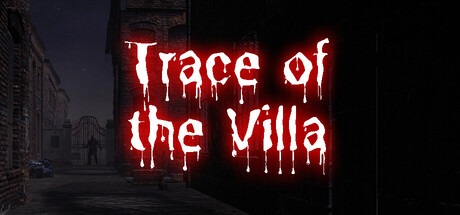
Trace of the Villa and the Power of Quiet Dread
Trace of the Villa centers on Jin’s quiet, obsessive search through a decaying mansion where the traces of people remain—but their identities have been stripped away. The game leans on slow-building environmental dread: rooms frozen mid‑routine, locked systems that only reveal secrets when power is restored, and clues that point toward a larger, unsettling operation.

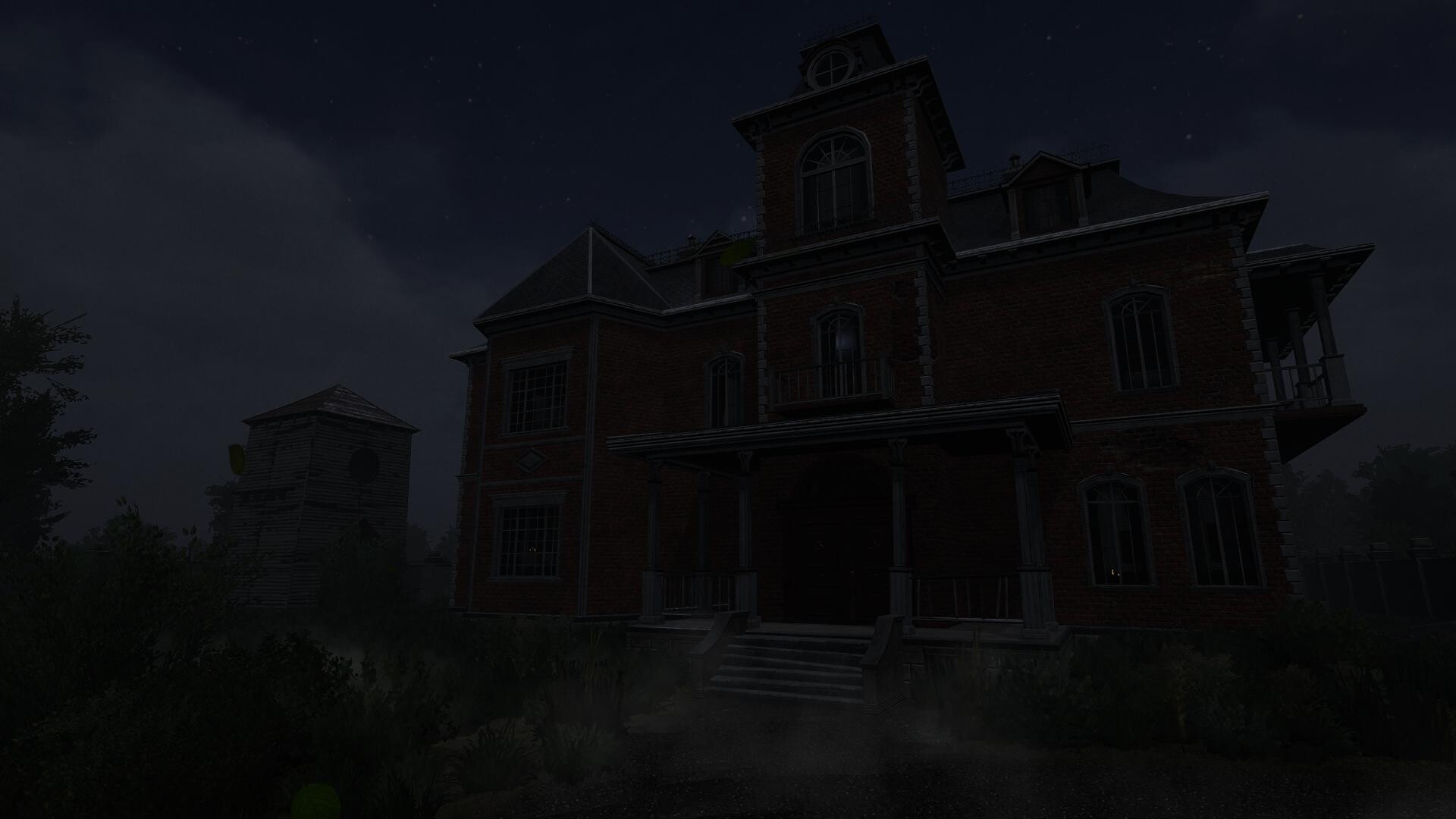
Official screenshots:

Facts at a glance
| Title | Trace of the Villa |
|---|---|
| Steam App ID | 3483660 |
| Release date | 28 May, 2026 |
| Developer / Publisher | Steadyturtle Co., Ltd. |
| Genres | Action, Adventure, Indie |
| Key categories | Single-player; Color Alternatives; Custom Volume Controls; Playable without Timed Input; Subtitle Options; Family Sharing |
| Short premise | Jin searches a remote, decaying mansion for his missing sister; restoring systems and solving puzzles reveals a wider, concealed operation. |
Who is this for?
Trace of the Villa is aimed at players who prefer slow-burn psychological investigation over jump-scare spectacle. If you value atmospheric mystery adventure, clue-driven exploration, and environmental storytelling that rewards careful observation, this title fits. The Steam page lists it as Action / Adventure / Indie and highlights single-player features and accessibility options (color alternatives, custom volume, subtitles), so it’s designed for a solitary, thoughtful playthrough rather than twitch horror fans looking for quick shocks.
What the game is
According to the official Steam description, you play as Jin, who has followed leads to a remote, off‑grid mansion where rooms look as if their occupants vanished mid‑routine. The house’s silence is described as “suffocating,” and the narrative unfolds as Jin restores power, brings systems back online, and uncovers encrypted documents, locked compartments and falsified transfer records. Those revealed traces form the puzzle backbone: each solved mystery lifts another layer of a deliberately concealed operation.
When and where
Trace of the Villa released on Steam on 28 May, 2026. It’s presented on Steam as a PC title with the usual store discovery metadata; the developer and publisher are both Steadyturtle Co., Ltd. (Steam App ID 3483660).
Why the quiet tension matters
Games that trade on silence and unsettling room design create a sustained state of uncertainty in which the environment does the psychological work. In Trace of the Villa the absence of names, the preserved personal effects without identity, and locked systems that only unlock when the player acts convert familiar spaces into ambiguous evidence. That slow reveal—powering up a breaker, opening a safe, decrypting a snippet—lets dread accumulate organically. Unlike a shock that resolves tension instantly, uncertainty compounds: you begin to suspect the house’s normalcy is performative and that every discovered file or manifest recalibrates what “safe” means in that space.
How you read clues and progress
The official description notes several concrete mechanics for progression: restoring power to the estate, reactivating secured systems, and unlocking hidden compartments and safes that yield fragments of encrypted documents and suspicious records. Progress appears to be puzzle‑forward and discovery‑based: solving a puzzle or restoring a subsystem reveals documents and financial trails that point to more questions. Expect exploration, contextual puzzle solving, and interpretation of environmental evidence rather than combat-oriented progression or timed inputs (the Steam categories include “Playable without Timed Input” and custom accessibility options).
Comparison: Where Trace of the Villa sits among slow-burn horrors
| Title | Atmosphere & Pacing | Puzzle / Exploration Focus | Tone | Release |
|---|---|---|---|---|
| Trace of the Villa | Quiet, environmental dread; methodical reveal | Clue-driven: restoring systems, unlocking safes, decrypting records | Investigation into erased identities and concealed operations | 2026 (Steam release 28 May, 2026) |
| Amnesia: The Dark Descent | Immersive, claustrophobic; slow‑build with survival elements | Exploration and environmental puzzles; emphasis on immersion | Personal nightmare and survival horror | 2010 |
| SOMA | Atmospheric, existential tension beneath the waves | Exploration, narrative-driven puzzles and encounters | Sci‑fi horror that questions identity | 2015 |
| Layers of Fear (2016) | Shifting, surreal mansion atmosphere; psychological pacing | Exploratory puzzles tied to narrative progression | Madness and artistic obsession | 2016 |
| Poppy Playtime | tense toy-factory setting with puzzle elements | Puzzle-adventure with tools (GrabPack) and set-piece encounters | Playful façade with predatory elements | 2021 |
This comparison is editorial discovery: it focuses on atmosphere, puzzle style, exploration, story tone and pacing rather than claiming superiority.
Player scenarios — who should wishlist this
- The methodical investigator: You enjoy cataloguing evidence, piecing together timelines, and letting suspense come from implication rather than direct confrontation.
- The environmental storyteller fan: You prefer games that make space do narrative work — furniture, lighting, and absent photographs as story devices.
- The puzzle-first explorer: You like unlocking systems and finding documents that change your understanding of events; timed inputs are not a selling point.
- The accessibility-aware player: You appreciate subtitle options, custom volume, and color alternatives listed on the Steam page.
- The slow-burn skeptic: If you want constant, high-intensity scares, this title’s quiet dread may feel restrained; Trace of the Villa leans into buildup and interpretation.
YouTube discovery
If you want trailers or gameplay clips, use this YouTube search path to find footage and community videos (search results may include trailers and player content; not all videos are official): Search Trace of the Villa on YouTube.
Ready to see the Steam page? Visit Trace of the Villa on Steam
Disclaimer: Referenced titles and trademarks belong to their respective owners. Comparisons are editorial discovery only and not endorsements. All game facts are drawn from the official Steam page and permitted data sources.
Leave a Reply