
Trace of the Villa — why environmental dread and silence matter more than shock claims
Trace of the Villa frames its mystery inside a decaying, deliberately forgotten mansion where silence feels like a presence of its own. Jin’s search for his missing sister unfolds as slow, clue-driven exploration that rewards attention to unsettling room design and restored systems instead of cheap shocks.

Who this is for
If you prefer slow-burn suspense and environmental mystery to twitch reflex horror, Trace of the Villa is aimed at you. The Steam metadata lists it as Action / Adventure / Indie and flags categories like Single-player, Playable without Timed Input, Subtitle Options and Custom Volume Controls — signals that the experience is built around exploration and reading the space rather than fast-twitch combat or reaction-based mechanics.
What the game is
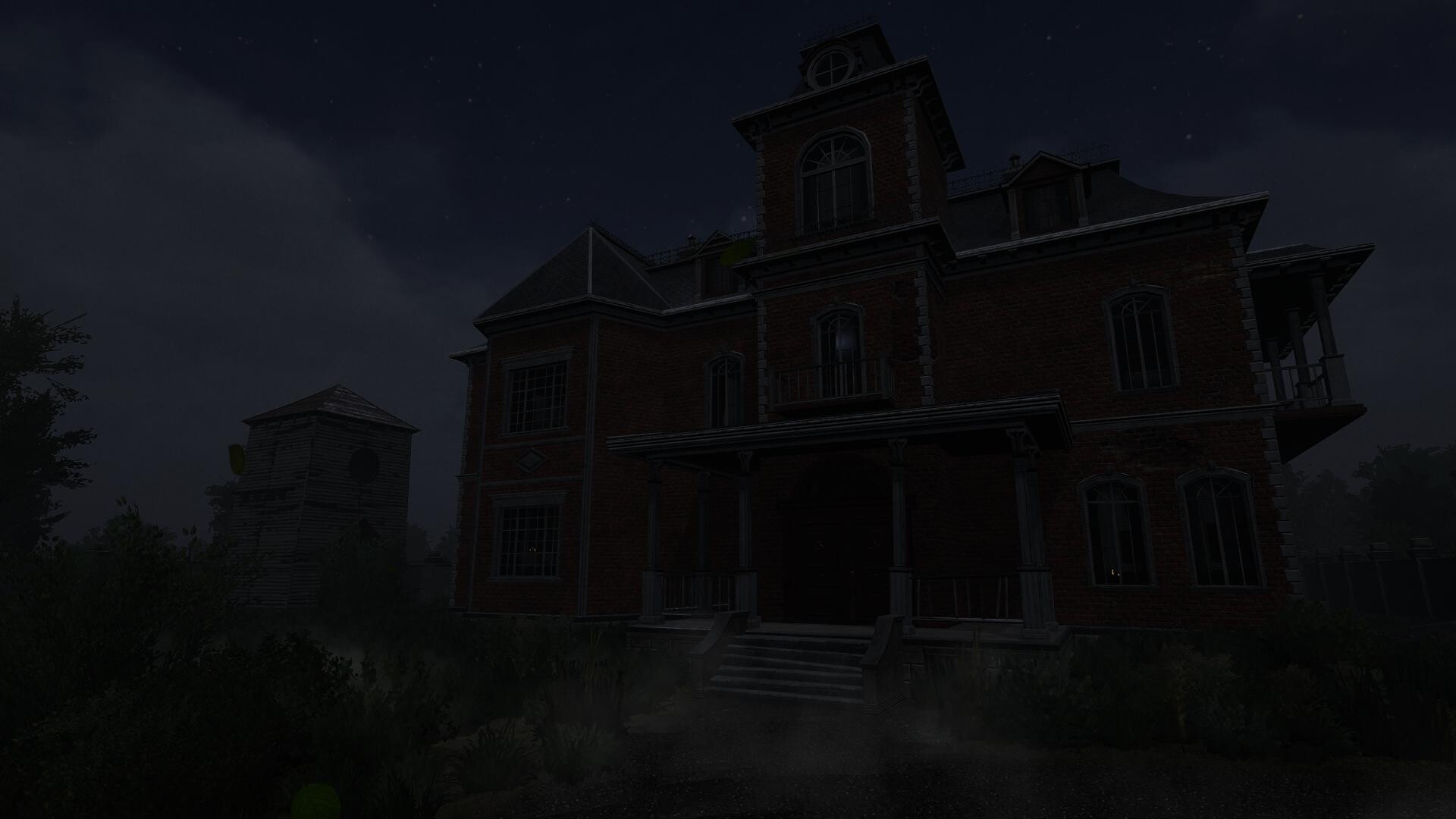
Officially described by the developer-publisher Steadyturtle Co., Ltd., Trace of the Villa follows Jin, who “has spent years searching for his missing sister” and tracks a lead to a remote, decaying mansion where manifest fragments and hints suggest she might still be alive. The estate is cut off from the grid and at first appears abandoned but, as the description explains, feels “less abandoned than erased” — furnished rooms, locked doors, and personal belongings that lack names or histories. Restoring power and solving puzzles brings hidden compartments, safes, and encrypted documents back into play; each discovery layers additional narrative and procedural mystery on top of the physical setting.
When and where
Trace of the Villa released on Steam on 28 May, 2026. It is listed on Steam with developer and publisher credited as Steadyturtle Co., Ltd.; the store presence includes multiple screenshots and the standard Steam feature set for an indie single-player title.
Why environmental dread and room design matter here
Psychological horror that leans on environmental dread treats the setting as narrator and antagonist simultaneously. In Trace of the Villa the mansion’s layout, the absence of personal identifiers, and the texture of layered decay produce uncertainty that lingers between actions. Rather than relying on sudden scares, the game appears to amplify what the player feels while reading a space: unresolved objects, furniture frozen in imperfect arrangements, and the slow reveal of secured systems coming back online. That kind of tension makes discovery feel consequential — a resolved puzzle changes what you suspect about who was here and why.
How you progress — the mechanics of reading a house
According to the official description, progress is driven by investigation and systems restoration. Jin recovers manifests and hints, restores power to parts of the estate, and unlocks compartments and safes that produce fragments of encrypted documents and suspicious records. Those narrative tokens are the core forward momentum: clues built into architecture and locked systems, not combat encounters. The Steam categories also note “Playable without Timed Input” and “Subtitle Options,” underlining a design that supports deliberate exploration and attentive reading of the environment.
Compact facts — Trace of the Villa
| Title | Trace of the Villa |
|---|---|
| Steam App ID | 3483660 |
| Release date | 28 May, 2026 |
| Developer | Steadyturtle Co., Ltd. |
| Publisher | Steadyturtle Co., Ltd. |
| Genres | Action, Adventure, Indie |
| Categories | Single-player; Color Alternatives; Custom Volume Controls; Playable without Timed Input; Subtitle Options; Family Sharing |
| Short description | Jin has spent years searching for his missing sister, pursuing leads that took him to a remote, decaying mansion where he recovered manifests and hints that indicate his sister may still be alive, somewhere at the end of the trail he is about to follow. |
How it compares — focused editorial table
| Title | Primary focus | Setting / Tone | Puzzle vs. Survival | Pacing |
|---|---|---|---|---|
| Trace of the Villa | Clue-driven exploration, environmental storytelling | Decaying mansion; quiet, erased occupants | Puzzle-led investigation (restoring systems, encrypted fragments) | Slow-burn, methodical |
| Amnesia: The Dark Descent | Immersion and dread, first-person survival | Gothic castle; oppressive atmosphere | Survival with puzzle elements | Intense, tension-heavy |
| SOMA | Existential sci-fi horror, narrative immersion | Underwater research facility; claustrophobic and philosophical | Puzzle-driven with thematic survival pressure | Slow-unfolding but occasionally urgent |
| Layers of Fear (2016) | Psychological atmosphere and shifting environments | Victorian mansion; surreal, painterly | Exploration and environment-based puzzle/story beats | Psychological, gradually destabilizing |
| Poppy Playtime | Horror-puzzle in a toy factory | Abandoned factory; tense and often kinetic | Puzzle mechanics mixed with evasion | Punctuated tension, more reactive than contemplative |
Player scenarios — who should wishlist this
- Wishlists if you value atmospheric mystery adventure and slow, clue-driven exploration over combat or timed survival mechanics.
- Wishlists if you enjoyed the environmental storytelling in games like Layers of Fear or the methodical dread of SOMA, and you want that emphasis shifted toward investigative puzzle work inside a mansion mystery.
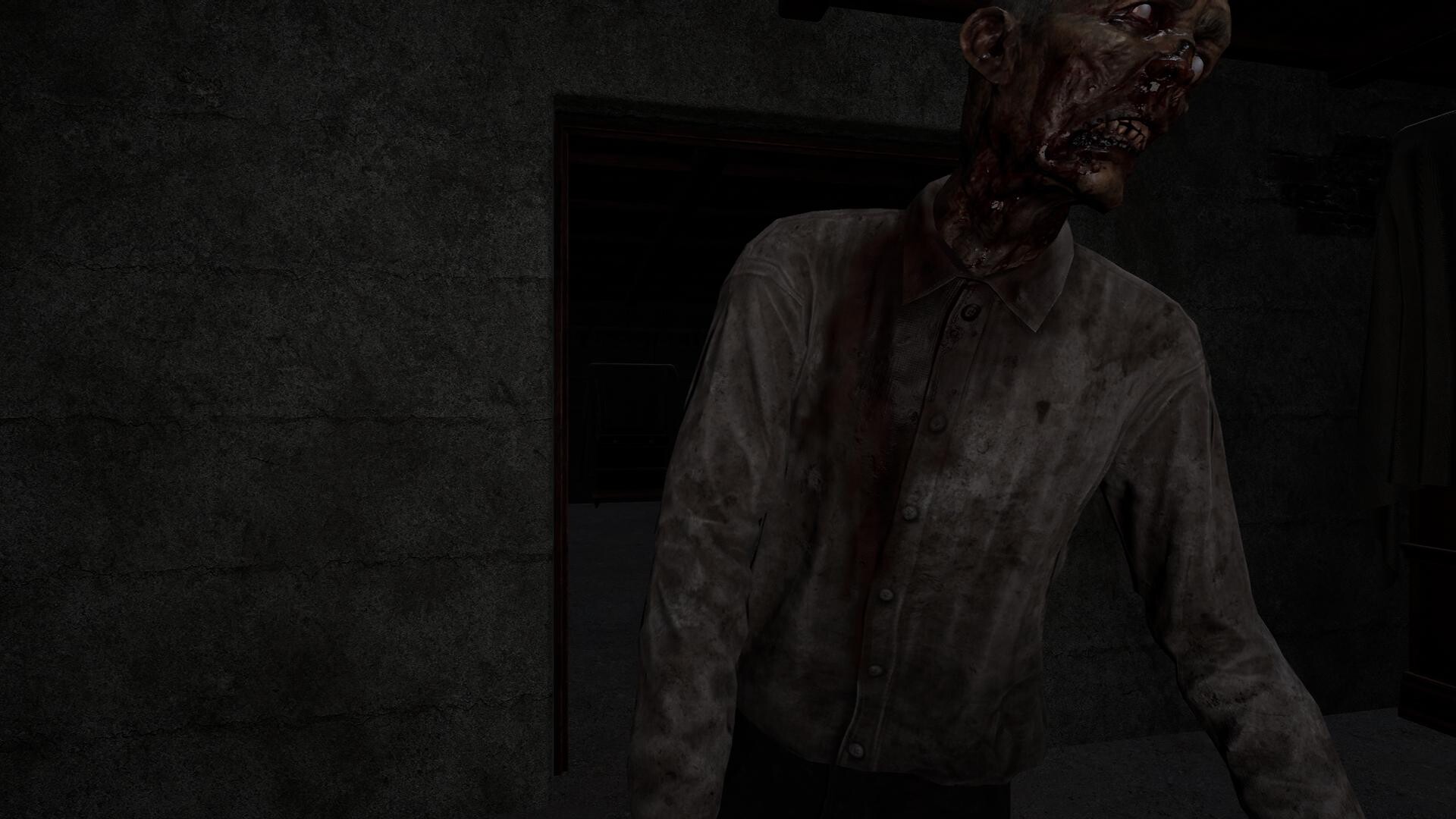
- Skip or wait if you prefer high-octane scares, frequent enemy encounters, or games that rely on reflex-driven mechanics rather than reading and piecing together documents, manifests, and system-based puzzles.
YouTube discovery
If you want video context (trailers or gameplay clips), search for Trace of the Villa on YouTube: Trace of the Villa trailer & gameplay search. This link is provided as a discovery path; individual videos should be checked for official status before assuming
Leave a Reply