
Trace of the Villa: why hush and architectural unease beat jump scares in psychological horror
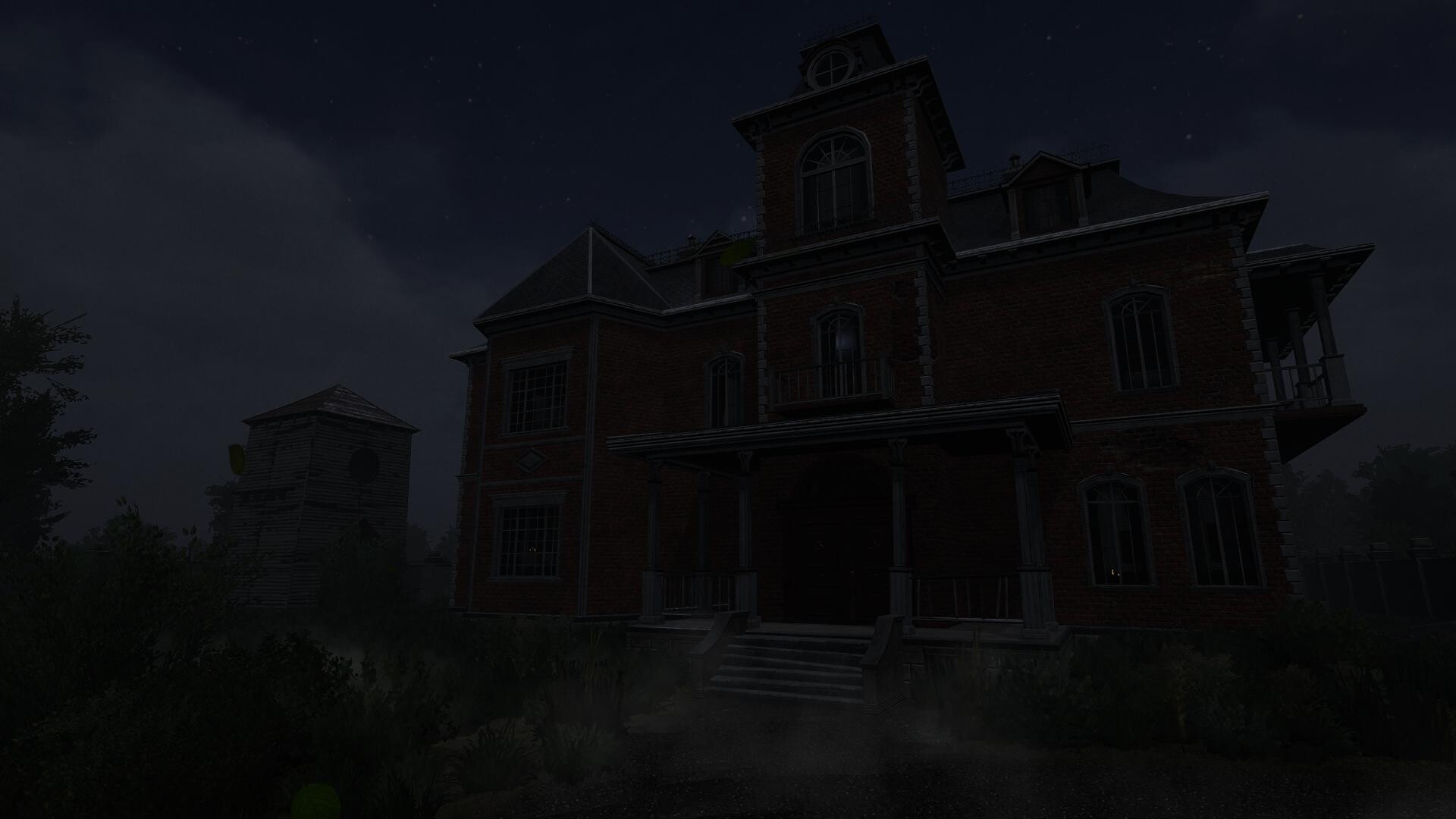
Trace of the Villa threads a slow-burning, investigation-first approach through a decaying mansion where silence and room design do most of the heavy lifting. If you prefer atmospheric mystery adventure that asks you to read empty rooms and encrypted manifests rather than react to scripted shocks, this Steam indie is squarely aimed at you.

Quick facts
| Title | Trace of the Villa |
|---|---|
| Steam App ID | 3483660 |
| Release date | 28 May, 2026 |
| Developer / Publisher | Steadyturtle Co., Ltd. |
| Genres | Action, Adventure, Indie |
| Key categories | Single-player; Color Alternatives; Custom Volume Controls; Playable without Timed Input; Subtitle Options; Family Sharing |
| Short premise | Jin searches a remote, decaying mansion for clues to his missing sister; power restoration, manifests and encrypted documents reveal a controlled, erased history. |
Who this is for
- Players who favour environmental storytelling and clue-driven exploration over combat or twitch responses.
- Fans of slow-burn suspense and mansion mysteries who enjoy reconstructing timelines from objects, locked systems and recovered documents.
- Those who appreciate accessibility options (subtitles, custom volume, color alternatives) and prefer single-player narrative experiences without timed input pressure.
What the game actually is
Trace of the Villa positions itself as a story-rich adventure where you play Jin, a protagonist established by the official Steam description. The central loop is investigative: explore rooms left furnished yet oddly depersonalized, restore power to systems, open locked compartments and piece together manifests and encrypted records. Rather than rely on constant startling events, the game leans on environmental dread — architecture and omission — to unsettle you.

When and where — Steam / PC context
Trace of the Villa launched on Steam on 28 May, 2026. It’s presented as a PC-focused single-player indie and includes accessibility and control options appropriate for narrative exploration gameplay (see categories: Subtitle Options, Custom Volume Controls, Playable without Timed Input).
Why quiet tension and uncertainty matter here
How a space feels often matters more than how frequently something jumps out of it. The official description highlights rooms “furnished as if their occupants vanished mid-routine” and the absence of names or photographs — architectural erasure that leaves interpretive gaps. That kind of design forces players to supply context with their imagination. Silence, absent records, and the visual language of a room create sustained unease: you are left to map a person to an object, guesses to gaps, and motive to omission. In short, the mansion’s layout and the decisions about what to show or withhold are the primary horror engine.
How you progress — puzzles, clues, and systems
Progression is investigation-first. Per the official description, Jin restores power to the estate and, as systems come back online, previously inaccessible compartments and safes reveal fragments of encrypted documents and suspicious transfer records. Each solved puzzle opens another narrative layer: manifests, falsified identities and financial trails that point to controlled arrivals and departures. The gameplay loop rewards careful observation, methodical item use and interpreting documents — not reflexive evasion or combat.
How Trace of the Villa differs from nearby titles
| Title | Genre / Atmosphere | Puzzle & Exploration | Pacing & Tone | Player fit |
|---|---|---|---|---|
| Trace of the Villa | Action / Adventure / Indie — mansion mystery, environmental dread | Clue-driven puzzles, power-restoration, encrypted documents, locked compartments | Slow-burn, investigative, silent unease | Players who like narrative puzzles and reading rooms instead of frequent shocks |
| Amnesia: The Dark Descent | Action / Adventure / Indie — immersive survival horror | Environment and sanity mechanics; exploration with survival constraints | Tense, immersion-heavy, frequent dread spikes | Players seeking first-person immersion with survival mechanics |
| SOMA | Action / Adventure / Indie — sci‑fi psychological horror | Exploration with narrative puzzles; philosophical and existential questions | Brooding, existential, methodical pacing | Players who want story-driven sci‑fi horror and slow revelation |
| Layers of Fear (2016) | Adventure / Indie — psychological mansion horror | Surreal, shifting environments; puzzle-lite, atmosphere-heavy | Unsettling, surreal, art‑focused, variable pacing | Players who prefer psychological spectacle and changing architecture |
| Poppy Playtime | Action / Adventure / Indie — toy-factory horror | Puzzle-adventure with gadget mechanics (GrabPack) and setpieces | Higher-energy, setpiece-driven scares and puzzles | Players who want tactile gadget puzzles and jump-oriented encounters |
Player scenarios — should you wishlist it?
- If you enjoy reconstructing a timeline from objects, manifests and encrypted fragments, wishlist it — Trace of the Villa foregrounds investigative payoff.
- If you prefer constant threats, combat or reactive stealth, this may feel slower than expected; it’s built around environmental unease rather than continuous encounters.
- If accessibility and control over pacing matter to you, the Steam categories indicate subtitle support, custom volume and options to avoid timed input, which helps focus on exploration.
YouTube discovery
Looking for trailers or gameplay clips? Use this YouTube search path to find trailers or community footage: Search Trace of the Villa trailer & gameplay on YouTube. This link is a discovery route and not a claim that any particular video is an official release.
View Trace of the Villa on Steam
Referenced titles and trademarks belong to their respective owners. Comparisons are editorial discovery only and do not imply endorsement.
Leave a Reply