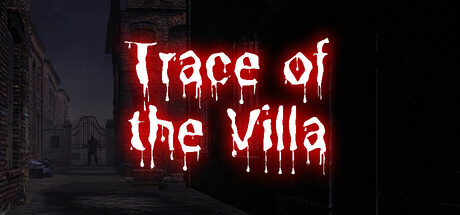
Trace of the Villa: why environmental dread and silent rooms terrify more than cheap shocks
Trace of the Villa (Steadyturtle Co., Ltd., released 28 May, 2026) puts you in Jin’s shoes as he follows a cold trail into a decaying, cut‑off mansion where power, documents, and locked rooms slowly reveal what was meant to stay hidden. The game leans on erased identities, restored systems, and rooms frozen mid‑routine to create a tension that creeps in through silence and atmosphere rather than jump scares.

Who, what, when, where, why, and how
Who it’s for
Players who prefer slow‑burn suspense, careful environmental storytelling, and clue‑driven exploration over reflex‑based scares. If you enjoy atmospheric mystery adventure and psychological investigation — reading notes, restoring systems, and discovering why a place feels “erased” — this is aimed at you.
What the game is
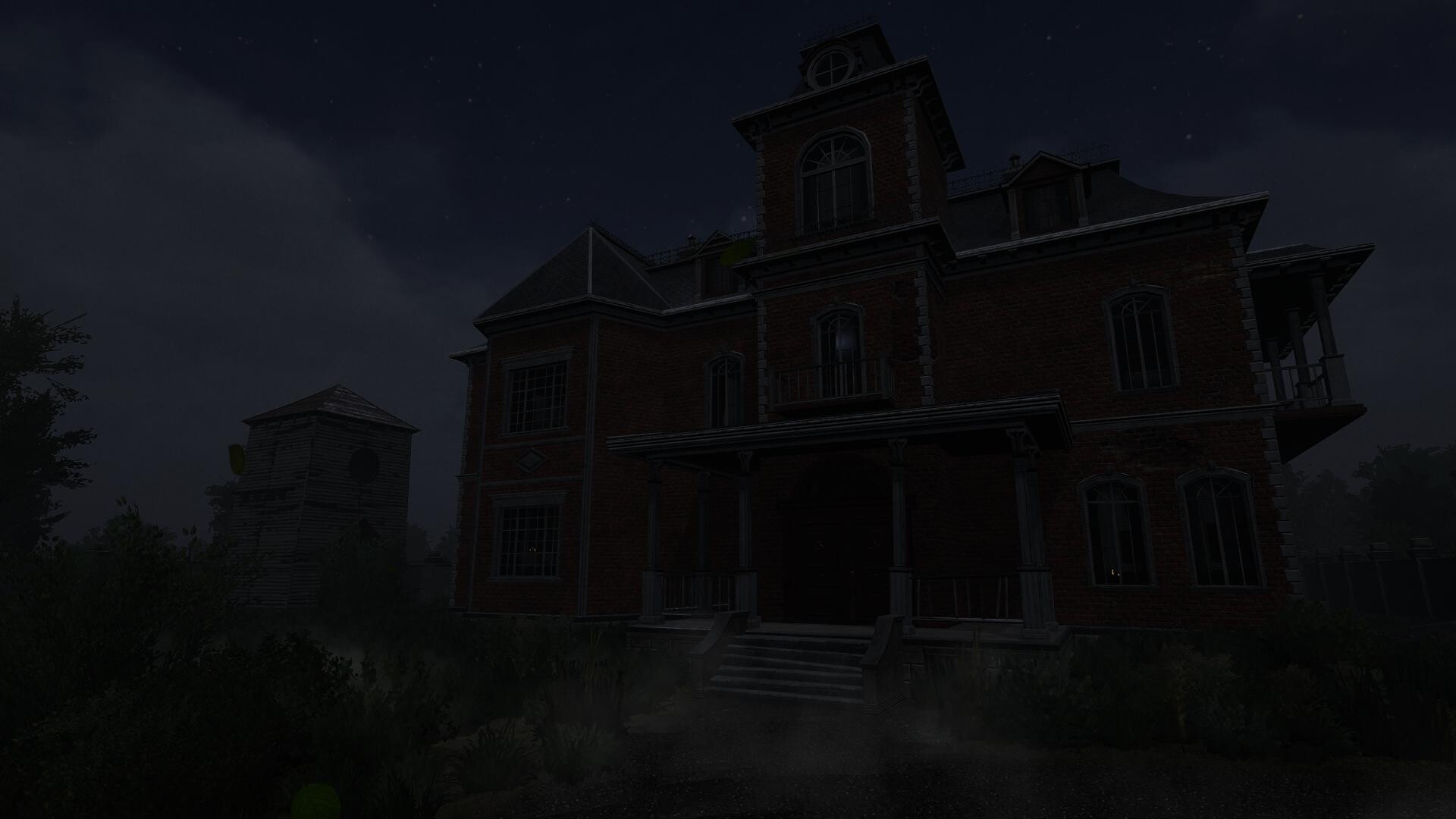
Trace of the Villa is an Action/Adventure/Indie title on Steam where protagonist Jin searches for his missing sister inside a remote, deliberately forgotten mansion. The estate is furnished as if people vanished mid‑routine; restoring power and unlocking safes reveals fragments of encrypted documents and falsified identities. The design stresses environmental dread: silence, personal effects with missing identifiers, and locked rooms that imply control rather than accident.
When and where
Available on Steam; the release date is 28 May, 2026. The Steam page lists Steadyturtle Co., Ltd. as both developer and publisher and shows the game’s genres and categories for PC players.
Why this theme matters
Psychological horror built on uncertainty trades immediate shock for a longer, more corrosive unease. Environmental dread — rooms that look lived‑in but stripped of identity, systems that only reveal themselves when power returns, and financial trails that go nowhere — invites players to think about absence as an active force. That sustained ambiguity fosters dread that lingers after you stop playing.
How you progress
Progression is investigative and puzzle‑oriented: restore estate power, bring systems back online, open hidden compartments, and recover encrypted fragments and manifests. Each recovered item acts as a clue in a larger timeline — arrivals without records, departures without witnesses — and the mansion itself is the primary puzzle piece, with architecture and object placement guiding interpretation as much as explicit puzzles do.
Visual context — two in‑game shots

Compact facts
| Title | Trace of the Villa |
|---|---|
| Steam appid | 3483660 |
| Release date | 28 May, 2026 |
| Developer / Publisher | Steadyturtle Co., Ltd. |
| Genres | Action, Adventure, Indie |
| Key categories | Single‑player; Color Alternatives; Custom Volume Controls; Playable without Timed Input; Subtitle Options; Family Sharing |
| Short premise | Jin searches for his missing sister in a decaying mansion; manifests and encrypted documents suggest a concealed operation and people moved under strict control. |
Comparison — where Trace of the Villa sits among slow‑burn horrors
Below is an editorial comparison focused on genre, atmosphere, puzzle emphasis, exploration style, pacing, and story tone. This is meant to help readers match play preferences; it is not a ranking.
| Title | Genre / Atmosphere | Puzzle / Exploration focus | Pacing & Story Tone | Player fit |
|---|---|---|---|---|
| Trace of the Villa (2026) | Action / Adventure / Indie — mansion mystery with environmental dread | Clue‑driven: restoring power, unlocking safes, reading manifests | Slow‑burn, investigative, emphasis on silence and erased identities | Players who enjoy methodical exploration and atmospheric puzzles |
| Amnesia: The Dark Descent (2010) | Action / Adventure / Indie — immersive first‑person horror | Exploration and survival with puzzle elements supporting immersion | Claustrophobic and escalating dread; more survival under pressure | Players seeking immersion and existential dread with pacing that can spike into panic |
| SOMA (2015) | Action / Adventure / Indie — sci‑fi horror with philosophical undertones | Exploration and narrative puzzles beneath the ocean; emphasis on story | Deliberate and contemplative, questions identity and consciousness | Players who prefer story‑heavy, reflective horror with sci‑fi trappings |
| Layers of Fear (2016) | Adventure / Indie — psychological mansion horror | Environmental puzzles tied to changing architecture and narrative beats | Unnerving, often surreal; focuses on subjective madness | Players drawn to artful, shifting spaces and unreliable atmospheres |
| Poppy Playtime (2021) | Action / Adventure / Indie — toy‑factory horror with puzzle tools | Puzzle adventure with unique mechanics (GrabPack) and scripted encounters | Faster tempo, puzzle encounters with tense set‑pieces | Players who like mechanical puzzles bundled with tense, spooky set‑pieces |
Player scenarios — who should wishlist it
- If you enjoy piecing together a timeline from fragments and objects and like the dread that comes from things deliberately left unsaid, wishlist Trace of the Villa.
- If you prefer high‑tempo horror with frequent threats, this may feel too restrained; the game favors atmosphere and investigation over constant confrontation.
- If you value accessibility options (subtitle options, custom volume controls, playable without timed input) and single‑player exploration, the Steam page lists those categories directly.
- If you appreciate narrative puzzles that unlock more narrative rather than purely mechanical challenges, this aligns with what Trace of the Villa advertises.
YouTube & trailer discovery
Search for trailers and gameplay videos on YouTube using this discovery link (useful for finding community footage and trailers; not every result will be official): Trace of the Villa — YouTube search.
Final take
Trace of the Villa markets itself as a story‑rich, atmospheric mystery adventure where the design choice to remove names and traces of identity turns silence into a narrative force. For players who trade loud scares for the slow pressure of
Leave a Reply