
Trace of the Villa — why silence, room design, and creeping uncertainty matter more than jump shocks
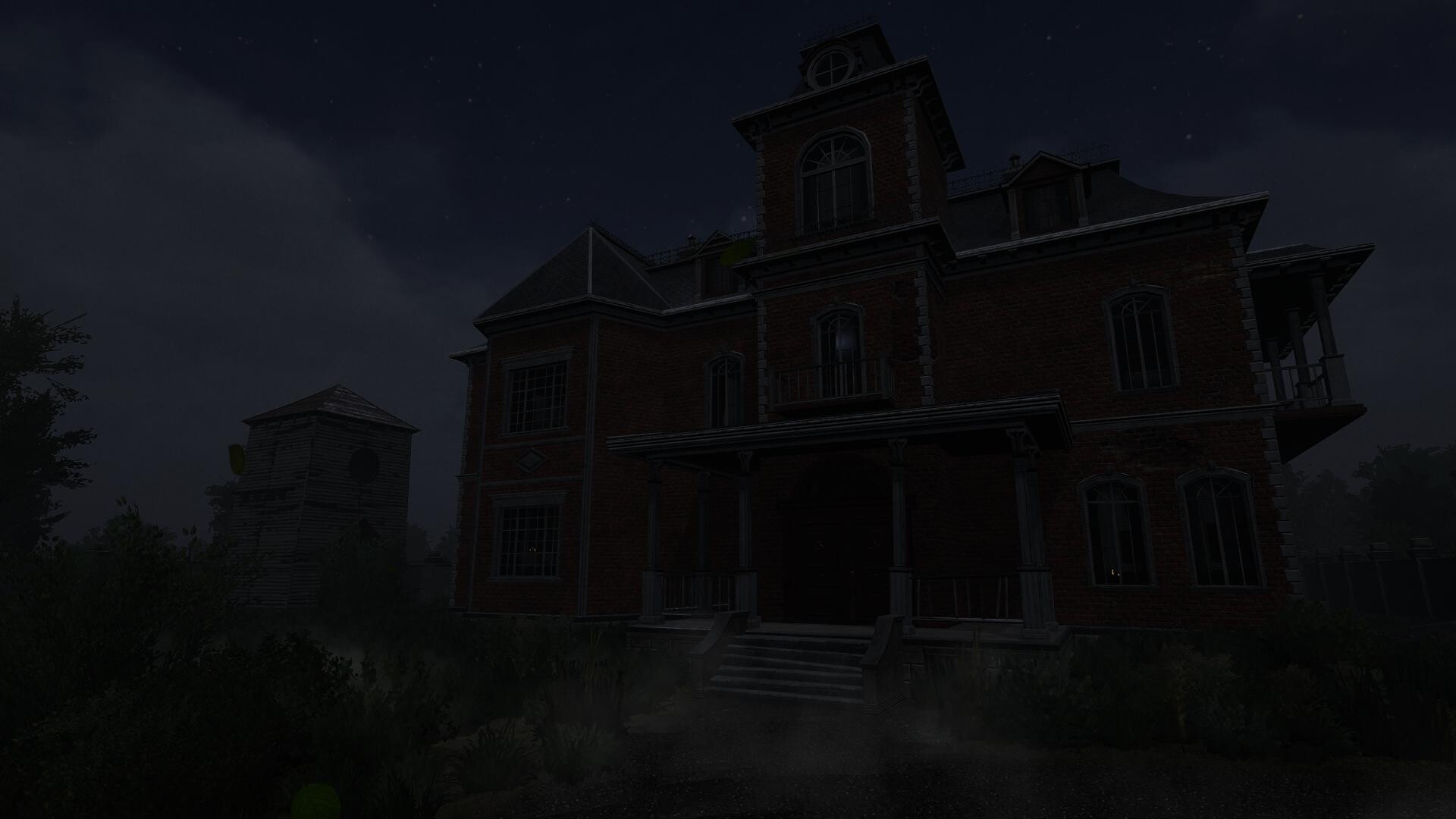
Trace of the Villa (Steadyturtle Co., Ltd., released 28 May, 2026) leans hard on environmental dread: a remote, decaying mansion where rooms feel “erased” and the act of turning lights back on reveals slow, bureaucratic secrets. For players who prefer slow-burn atmospheric mystery over loud jump scares, its quiet architecture and clue-driven progression promise a tense, investigative rhythm.

Who should wishlist this on Steam?
- Players who prefer psychological investigation and environmental storytelling to frequent jump scares.
- Fans of mansion mysteries and slow-burn suspense where the setting itself functions like a character.
- Exploration players who like to piece together narrative fragments (manifests, transfer records, encrypted documents) rather than chasing fast action beats.
- Those who value carefully staged rooms, muted audio design, and puzzles that unlock context as much as mechanics.
What the game is — concrete facts
Trace of the Villa is an Action / Adventure / Indie title developed and published by Steadyturtle Co., Ltd. Its premise follows Jin, who after years of searching for his missing sister follows a lead to a remote, cut-off mansion where power restoration and careful searching reveal layers of concealment and falsified identities.
| Title | Trace of the Villa |
|---|---|
| Developer / Publisher | Steadyturtle Co., Ltd. |
| Release date | 28 May, 2026 |
| Genres | Action, Adventure, Indie |
| Steam categories | Single-player; Color Alternatives; Custom Volume Controls; Playable without Timed Input; Subtitle Options; Family Sharing |
| Steam appid | 3483660 |
| Steam reviews (public) | No user reviews as of publication |
When and where — Steam context
Trace of the Villa launched on 28 May, 2026 and is available on Steam for PC. The Steam store listing includes multiple screenshots and a trailer thumbnail; the Store appid is 3483660 for quick reference.
Why the theme matters: environmental dread over headline shocks
Many horror titles trade on sudden audiovisual peaks — a loud clang, an unexpected monster — that provoke an immediate physiological reaction. Trace of the Villa instead builds terror out of the slow accumulation of detail: rooms set mid-routine, missing photographs, locked safes that reveal carefully falsified identities. The dread comes from gaps in the environment and the implication they create. When a furnished room offers no names, and a power switch restores systems that were deliberately erased, players are left to fill those absences with suspicion. That sustained uncertainty is often more lingering and memorable than any single jump scare.

How you play: reading clues, restoring systems, and unlocking story
Trace of the Villa’s official description makes its structure clear: Jin restores power to the estate, secured systems come back online, and hidden compartments and safes reveal fragments of encrypted documents and suspicious transfer records. Progress is driven by environmental puzzles and document-based clues rather than reflex tests — the Steam page specifically lists “Playable without Timed Input” among its categories. Expect puzzle work that both opens new spaces and gradually assembles a financial and identity-focused timeline that reframes what the mansion was used for.
Player scenarios — who will enjoy it (and who might not)
- Enjoy: You like methodical searching, decoding fragments, and narrative puzzles that recontextualize found objects. You prefer tension that grows across an hour rather than instant shocks.
- Maybe pass: You want steady combat, high-octane chases, or frequent explicit scares. The game’s listed categories and pacing indicate a focus on exploration and atmosphere over action-heavy sequences.
- Wishlist if: You value subtitle options, accessible audio controls, and a single-player, story-first experience that rewards careful observation.
How it compares to nearby psychological horror and tension games
Below is a brief editorial comparison using lawful criteria — genre, atmosphere, puzzle emphasis, exploration style, story tone, and pacing — to help you pick based on taste, not hype.
| Title | Primary atmosphere | Puzzle focus | Exploration style | Story tone / pacing |
|---|---|---|---|---|
| Trace of the Villa | Mansion-based environmental dread | Document-based, system restoration, safes | Room-by-room, clue-driven | Slow-burn, investigative, procedural uncovering |
| Amnesia: The Dark Descent (2010) | Immersive first-person horror | Puzzle + survival, sanity mechanics | Open-feeling exploration in a continuous environment | Claustrophobic, emergent dread, steady tension |
| SOMA (2015) | Sci-fi existential horror | Puzzles embedded in environment and systems | Linear but atmospheric corridors and facilities | Philosophical, gradually unsettling, slower pacing |
| Layers of Fear (2016) | Psychological mansion horror with shifting spaces | Environment-as-puzzle, narrative triggers | Surreal, moving architecture | Psychological, art-driven, fluctuating tempo |
| Poppy Playtime (2021) | Toy-factory tension, set-piece scares | Mechanical puzzle tools (GrabPack) | Area-based exploration with encounter zones | Higher immediate tension, more frequent set-pieces |
Quick practical notes
- Steam page lists categories useful to accessibility and comfort: custom volume controls, color alternatives, and subtitle options.
- The Steam store appid is 3483660 if you want to jump straight to the product page.
- As of this article’s publication, there are no public user reviews on Steam for the title.
YouTube discovery
If you want trailer or gameplay impressions, use the official YouTube search path: search Trace of the Villa trailers and gameplay on YouTube. This is a discovery link; specific videos should be verified individually for official status.
View Trace of the Villa on Steam
Referenced titles and trademarks belong to their respective owners. Comparisons above are editorial discovery only, based on public Steam descriptions and provided reference notes.
Leave a Reply