
Trace of the Villa — why environmental dread and quiet uncertainty matter more than cheap shocks
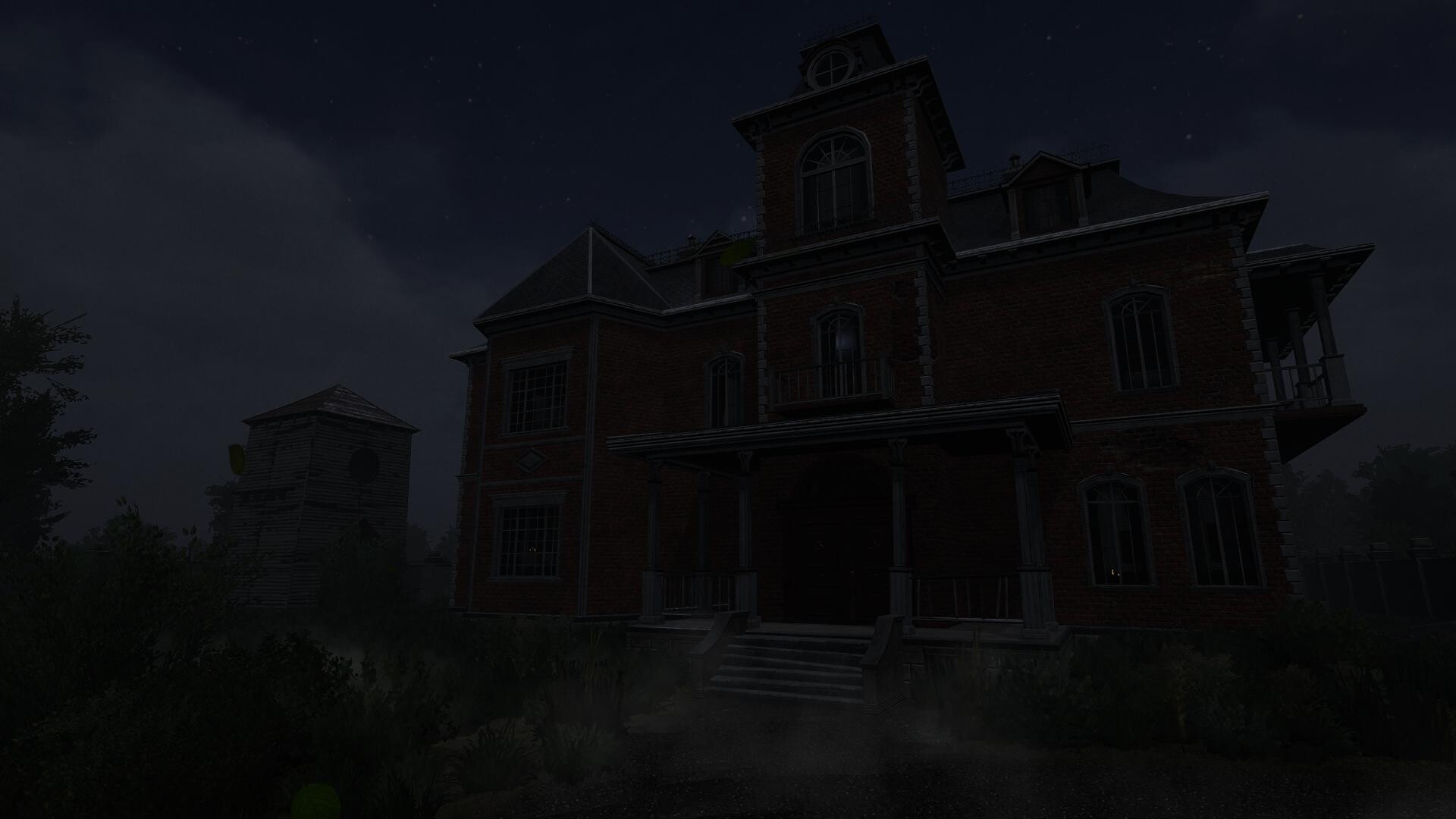
Trace of the Villa places you in Jin’s shoes as he follows a cold trail to a remote, decaying mansion—rooms frozen mid-routine, secured systems that cough back to life, and fragments of a larger operation hidden behind falsified identities. Released 28 May, 2026 by Steadyturtle Co., Ltd., the game reads like a slow-burn mystery where silence and unsettling room design do the heavy lifting.

Who: who should wishlist or play this on Steam
If you prefer atmospheric mystery adventure and psychological investigation over jump-scare compilations, Trace of the Villa is aimed at players who like clue-driven exploration, environmental storytelling, and slow-burn suspense. It suits single-player PC players who enjoy piecing together timelines from saved manifests, locked safes, and restored systems rather than mechanic-heavy combat or reflex tests.
What: what the game is (official premise and design focus)
Officially, Trace of the Villa follows Jin, who has spent years searching for his missing sister. A lead takes him to a remote mansion where manifests and hints suggest she may still be alive. The estate feels less abandoned than erased: furnished rooms, locked doors, personal belongings without names — the silence is heavy and intentionally arranged. As Jin restores power, secured systems and hidden compartments begin revealing encrypted documents, suspicious transfers, and evidence of people moved through the property under strict control.
When / Where: availability on Steam
Trace of the Villa released on 28 May, 2026 and is available on Steam. Developer and publisher: Steadyturtle Co., Ltd. If this type of PC mystery game fits your tastes, consider adding it to your Steam wishlist or visit the store page below for system and purchasing details.
| Title | Trace of the Villa |
|---|---|
| Steam AppID | 3483660 |
| Release date | 28 May, 2026 |
| Developer / Publisher | Steadyturtle Co., Ltd. |
| Genres | Action, Adventure, Indie |
| Categories / Features | Single-player; Color Alternatives; Custom Volume Controls; Playable without Timed Input; Subtitle Options; Family Sharing |
Why: why quiet tension, environmental dread, and room design matter
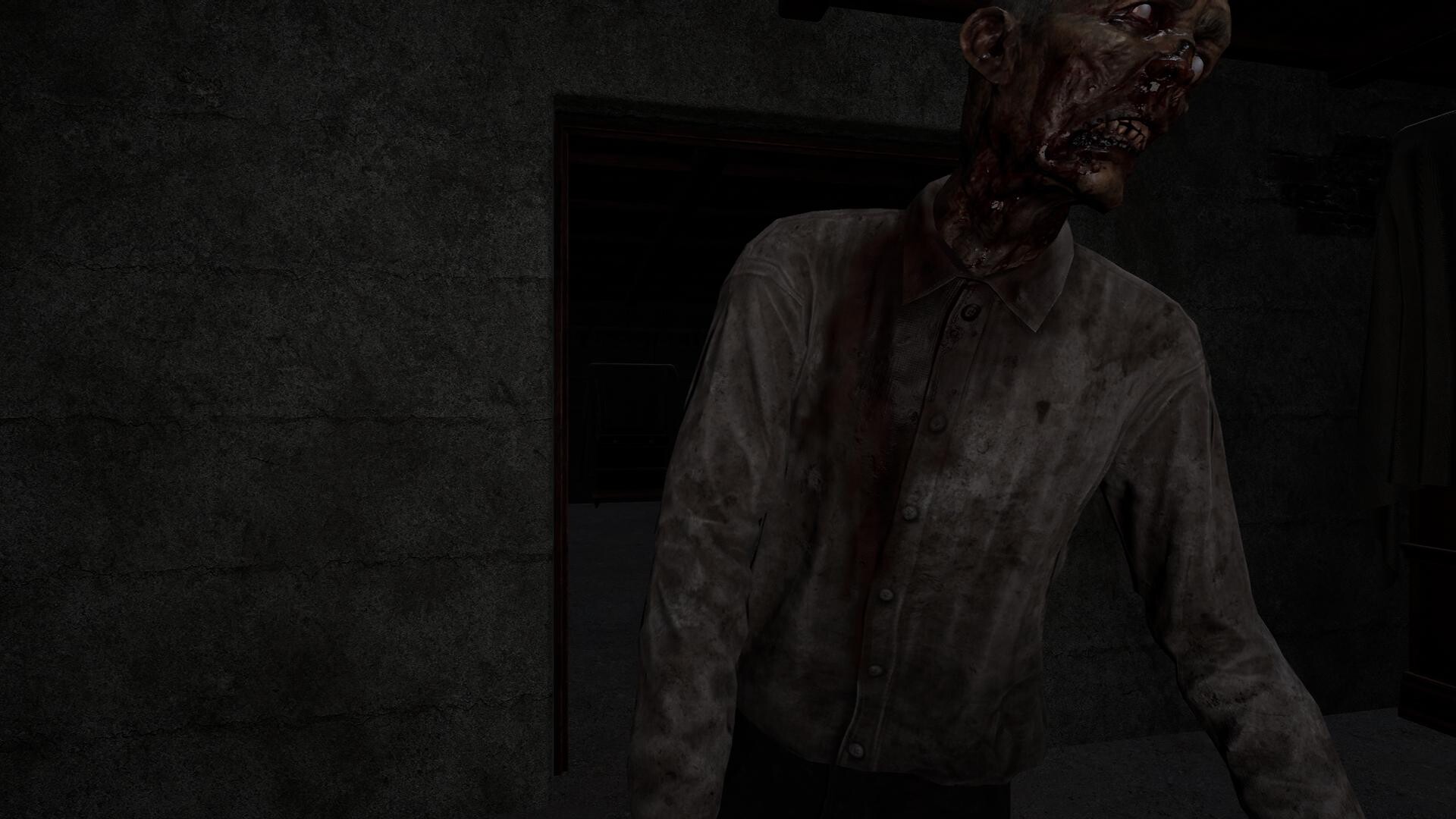
Psychological horror that relies on environmental dread asks you to look. When rooms feel “erased” rather than empty — personal items laid out as if interrupted, missing names and photographs, locked doors hinting at deliberate erasure — the player fills in the blanks. That process of inference is the game’s engine: it converts silence into dread. The payoff is not a startle but a slow accumulation of meaning as you restore power, open safes, and decode fragments. That lingering uncertainty keeps tension active between scenes instead of deflating it with repeated shocks.
How: how you progress and what your gameplay loop looks like
- Investigation loop: search rooms, collect manifests and fragments, inspect personal effects that deliberately lack identifying information.
- Restoration mechanics: when Jin restores power to parts of the estate, secured systems and hidden compartments activate — opening new paths for investigation.
- Puzzle approach: puzzles are clue-driven and tied to documents, safes, and encrypted fragments rather than twitch reflexes; the game supports play without timed input.
- Progression: each solved puzzle or unlocked system yields more pieces of a timeline and financial/identity trails that push the narrative forward.
Player scenarios: who will get the most out of this experience
- Quiet-suspense players: you appreciate building dread through silence and staging rather than a parade of jump scares.
- Environmental storytellers: you enjoy reconstructing lives from objects and documents and rewarding patience with narrative payoff.
- Puzzle-driven explorers: you prefer decoding manifests and encrypted fragments to momentum-based action sequences.
- Accessibility-minded players: categories show the game offers subtitles, custom volume, color alternatives, and is playable without timed input.
How Trace of the Villa compares to nearby mystery/puzzle games
| Title | Core vibe | Puzzle focus | Exploration style | Pacing | Best for |
|---|---|---|---|---|---|
| Trace of the Villa | Mansion mystery, environmental dread | Document- and system-driven puzzles (restoring power, safes, encrypted fragments) | Room-by-room forensic exploration | Slow-burn, investigative | Players who favor inference and atmosphere |
| Amnesia: The Dark Descent | Claustrophobic immersion and survival tension | Environmental puzzles with sanity mechanics | Tight, corridor-driven exploration | Tense, moment-to-moment | Players who want immersion with survival elements |
| SOMA |
Steam pageView Trace of the Villa on Steam YouTube discoveryFor trailer and gameplay discovery, use YouTube search rather than relying on unverified embeds: Find Trace of the Villa trailer and gameplay searches on YouTube. CommentsMore posts |
Leave a Reply