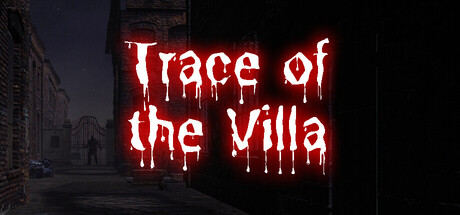
Trace of the Villa: Why Environmental Dread and Silent Rooms Matter More Than Shock Claims
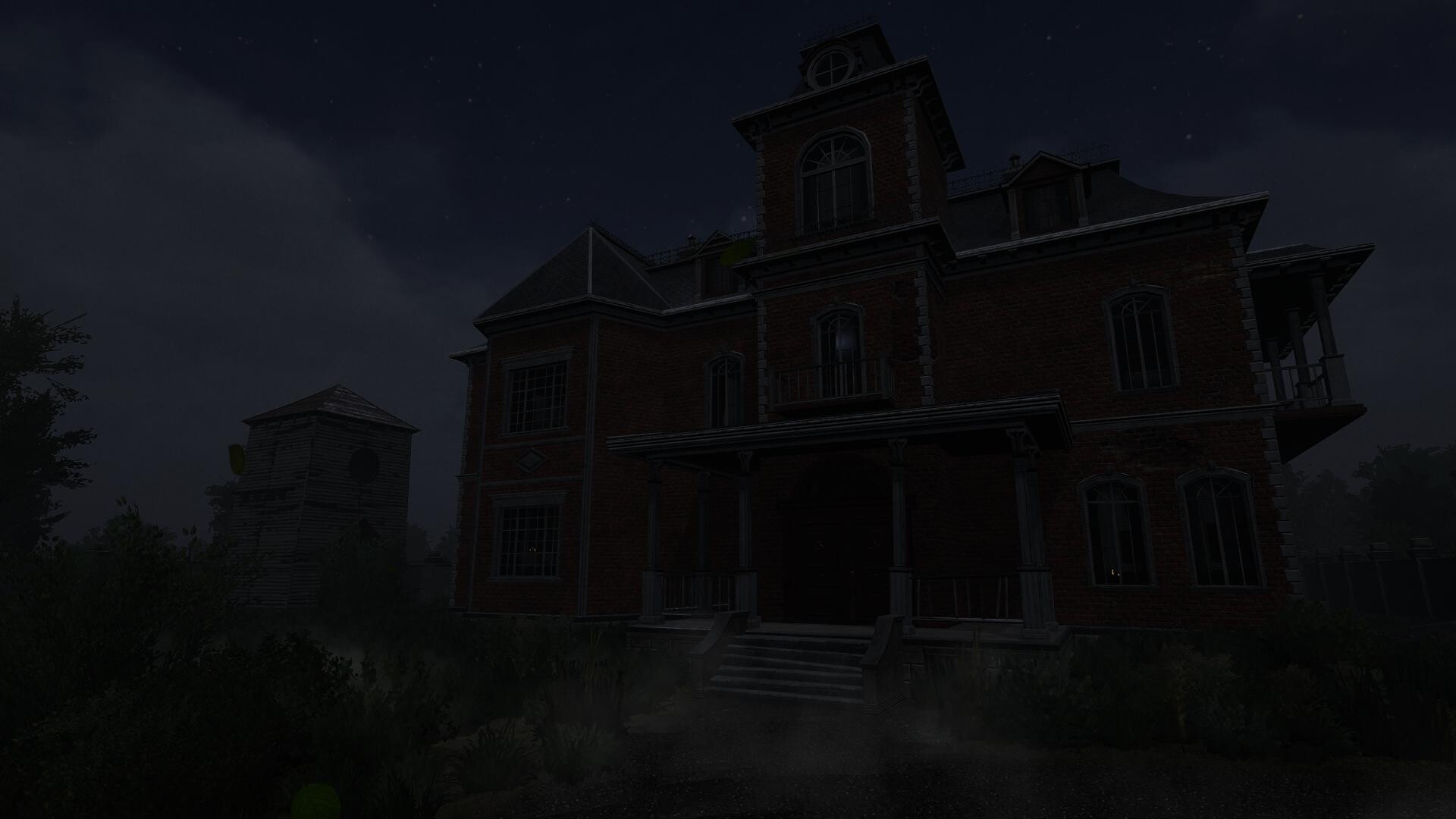
Trace of the Villa stages its slow-burn tension inside a decaying mansion, asking you to read rooms and rediscover a past that feels deliberately erased. It’s less about jump scares and more about the oppressive hush of abandoned routines, personal effects left mid-use, and puzzles that lift the curtain on an organized, secretive operation.

Quick facts
| Title | Trace of the Villa |
|---|---|
| Steam AppID | 3483660 |
| Release date | 28 May, 2026 |
| Developer / Publisher | Steadyturtle Co., Ltd. |
| Genres | Action, Adventure, Indie |
| Categories | Single-player; Color Alternatives; Custom Volume Controls; Playable without Timed Input; Subtitle Options; Family Sharing |
| Short premise | Jin searches a remote, decaying mansion for clues about his missing sister; restoring power and opening locked compartments reveals financial trails, falsified identities, and layers of secrecy. |
| Steam reviews | No user reviews yet on Steam |
Who this game is for
If your appetite runs to story-rich adventure and psychological investigation—players who enjoy atmospheric mystery adventure and clue-driven exploration rather than non-stop adrenaline—Trace of the Villa is aimed squarely at you. It suits people who prefer environmental storytelling: reading a room’s silence, inventorying personal effects, and letting unease accumulate from what’s missing as much as from what’s present.
What the game is
Trace of the Villa is an indie action-adventure built around exploration and puzzle-driven discovery. The playable protagonist, Jin, follows a lead to a property cut off from the grid where rooms remain furnished as if occupants vanished mid-routine. The game is framed as an investigation: restore systems, unlock hidden compartments, and collect fragments of documents and manifests that point to a larger, organized operation.

When and where
Trace of the Villa released on Steam on 28 May, 2026 and is available for PC through its Steam store page. The Steam listing includes standard accessibility and quality-of-life categories such as subtitles, custom volume controls, color alternatives, and support for family sharing.
Why environmental dread and silent room design matter
Psychological dread is cumulative. A furnished room with no photographs, or a dresser pulled open but left untouched, doesn’t announce itself like a jump scare—it seduces the player into filling the blanks. Trace of the Villa uses silence and the absence of identity (falsified records, encrypted fragments) to produce an investigative tension that is more sustained and, for many players, more unsettling than instant shocks.
Restoring power, reactivating systems, and unlocking safes are gameplay beats that convert discovery into narrative momentum. Each unlocked compartment reframes the house’s silence as deliberate obfuscation rather than random decay; that reframing is the core of its slow-burn atmosphere.
How progression and clue reading work
Progression in Trace of the Villa is anchored to environmental puzzle solving and document fragments. The Steam description specifies that restoring power causes systems to come back online, hidden compartments to open, and safes to yield fragments of encrypted documents and suspicious transfer records. Players piece together timelines and financial trails to infer movement patterns; the design rewards careful observation, backtracking with newly restored systems, and connecting disparate hints into a coherent theory about who passed through the estate and why.
Player scenarios — who should wishlist this
- Prefer slow-burn suspense: You enjoy building dread through atmosphere, not shock-chase sequences.
- Enjoy clue-driven puzzles: You like narrative puzzles that unlock history and motive through documents and environment changes.
- Appreciate investigative tone: You prefer games where the protagonist reconstructs a timeline from fragments rather than being guided by explicit exposition.
- Not for constant jump-scares fans: If you want frequent visceral shocks and combat-heavy survival, this is less likely to match that taste.
How it compares — nearby picks on tone and design
Below is a compact editorial comparison with other well-known story-driven horror/adventure titles. This table focuses on genre, release date, and how each title leans on atmosphere, puzzles, and pacing for readers deciding which experience fits their taste.
| Title | Release date | Genre notes | Atmosphere & pacing | Puzzle / exploration emphasis |
|---|---|---|---|---|
| Trace of the Villa | 28 May, 2026 | Action, Adventure, Indie | Slow-burn mansion mystery; silence and erased identities drive dread. | Document fragments, restoring systems, hidden compartments; clue-driven exploration. |
| Amnesia: The Dark Descent | 8 Sep, 2010 | Action, Adventure, Indie | Immersive first-person horror focused on atmosphere and survival dread. | Environmental puzzles mixed with survival mechanics; immediate claustrophobic tension. |
| SOMA | 21 Sep, 2015 | Action, Adventure, Indie | Sci-fi psychological horror with existential tone under the sea. | Exploration and narrative puzzles emphasizing story and philosophical questions. |
| Layers of Fear (2016) | 15 Feb, 2016 | Adventure, Indie | First-person, psychological mansion horror focused on atmosphere and shifting environments. | Exploration and storytelling puzzles; architecture itself becomes the mechanic. |
| Poppy Playtime | 12 Oct, 2021 | Action, Adventure, Indie | Abandoned-factory horror with more immediate threats
Steam pageView Trace of the Villa on Steam YouTube discoveryFor trailer and gameplay discovery, use YouTube search rather than relying on unverified embeds: Find Trace of the Villa trailer and gameplay searches on YouTube. CommentsMore posts |
Leave a Reply