
Who should consider Trace of the Villa after atmospheric mystery adventures
Trace of the Villa (released 28 May, 2026) drops you into a decaying mansion as Jin, a man chasing leads that suggest his missing sister may still be alive. Developed and published by Steadyturtle Co., Ltd., the game promises environmental storytelling, puzzle-led investigation, and a slow, creeping reveal tied to restoring power and uncovering encrypted documents.

What Trace of the Villa is — the essentials
At its core Trace of the Villa is a story-rich adventure with action and indie elements listed on its Steam page. The official short description frames the premise precisely: Jin has spent years searching for his missing sister and follows a trail to “a remote, decaying mansion” where manifests and hints suggest she may still be alive. The fuller Steam description emphasizes atmospheric, clue-driven discovery: restoring power reveals secured systems, hidden compartments, safes, encrypted documents and evidence of a controlled operation rather than a normal residence.
| Title | Trace of the Villa |
|---|---|
| Steam AppID | 3483660 |
| Release date | 28 May, 2026 |
| Developer / Publisher | Steadyturtle Co., Ltd. |
| Genres | Action, Adventure, Indie |
| Categories (selected) | Single-player; Color Alternatives; Custom Volume Controls; Playable without Timed Input; Subtitle Options; Family Sharing |
| Official short premise | Jin hunts for his missing sister and follows clues to a remote, decaying mansion that may hold answers. |
When and where — Steam availability
Trace of the Villa is available on Steam from 28 May, 2026. The Steam page lists developer and publisher as Steadyturtle Co., Ltd., and the store entry highlights single-player, accessibility options like subtitles and alternative color schemes, and settings such as custom volume controls and no timed input.
Why its theme matters — atmosphere, mystery, and investigation
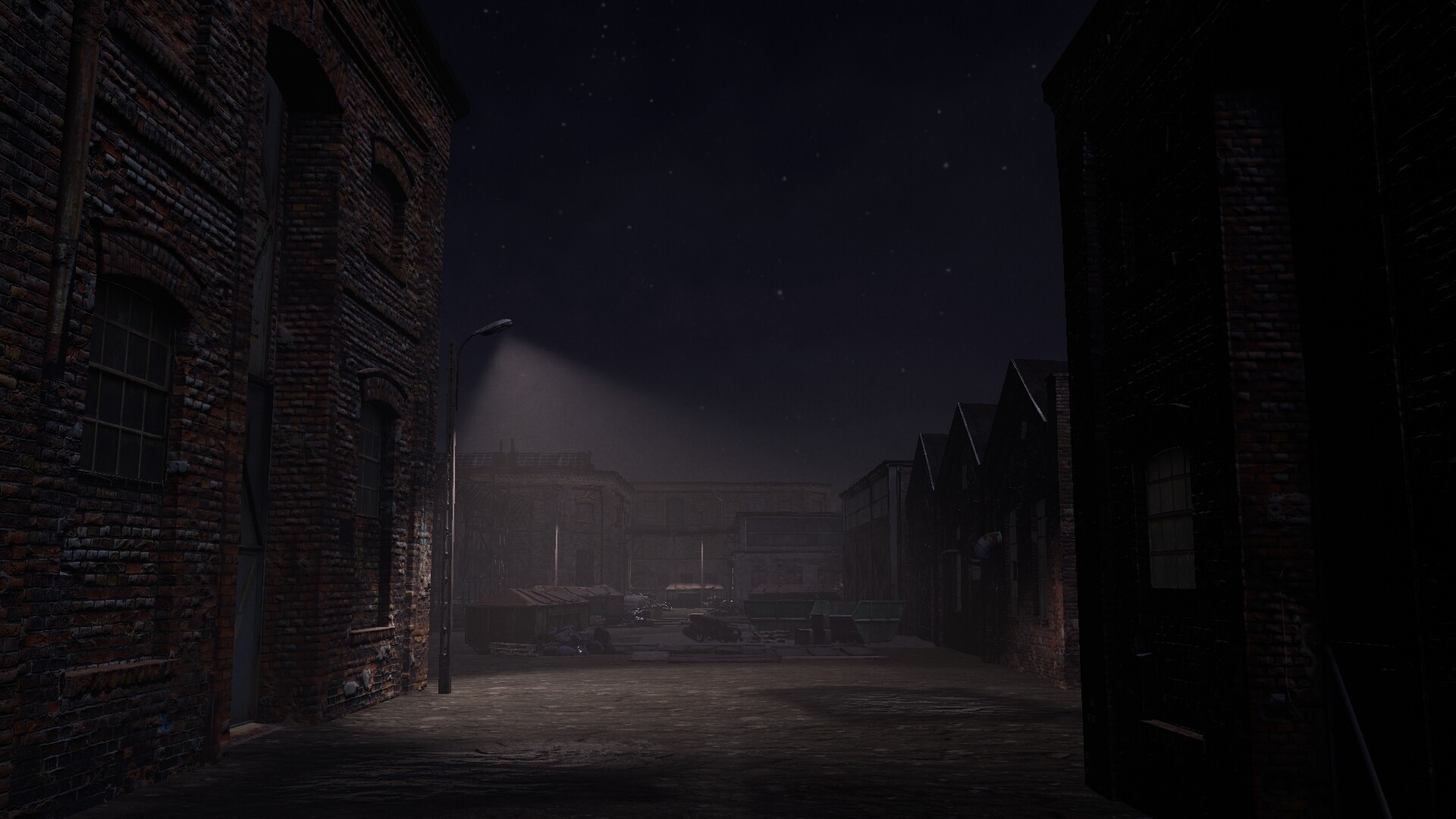
The Steam description intentionally leans into a mansion-as-archive idea: rooms appear frozen mid-routine, identities removed, and systems that must be restored to reveal hidden transactions and falsified identities. That setup points to an experience focused on environmental storytelling and methodical unraveling rather than jump-scare shock. If you favor slow-burn suspense and piecing together narrative from objects, logs and secured systems, this framing will be familiar and likely rewarding.

How the game asks you to play — clues, pacing and progression
Steam copy describes progression as discovery-driven: restoring the estate’s power brings systems back online, unlocking compartments and safes that yield fragments of documents and suspicious transfer records. Progress appears to come from reading clues, solving puzzles and following financial/identity trails revealed by those systems. That suggests a puzzle-and-investigation loop where exploration and careful attention to environmental detail are the primary mechanics rather than reflex-based action.
Comparison: how Trace of the Villa sits next to familiar mystery/adventure titles
Below is an editorial comparison focused on tone, pacing, puzzle emphasis, exploration style and the kind of player who may prefer each title. This is a discovery-oriented layout — not a ranking.
| Title | Primary tone / atmosphere | Pacing | Puzzle / clue focus | Exploration style | Who might prefer it |
|---|---|---|---|---|---|
| Trace of the Villa | Mansion mystery, erased identities, investigative dread | Slow-burn; methodical reveals as systems are restored | Document fragments, secured systems, environmental puzzles | Careful room-by-room inspection, system reactivation | Players who like story-rich, clue-driven exploration and environmental storytelling |
| Amnesia: The Dark Descent | Immersive, horror-focused nightmare | Often tense and immediate; survival-horror rhythms | Puzzle elements within a survival-horror framework | First-person, atmospheric traversal with vulnerability mechanics | Players seeking immersion and survival-tinged dread |
| SOMA | Sci-fi horror with philosophical strain | Measured but tense, narrative-driven progression | Story and situation puzzles; investigation of systems and identity | Underwater facility exploration with narrative beats | Players who like horror blended with existential narrative and systemic mystery |
| Layers of Fear (2016) | Psychological horror in a Victorian mansion | Unsettling, shifting pace with surreal reveals | Environmental puzzles tied to storytelling and set-piece moments | Mansion exploration where spaces change to tell the story | Players drawn to artful, uncertain narrative and creepy atmosphere |
| The Room | Focused, tactile puzzle mystery | Relentlessly puzzle-driven, compact sessions | Mechanical puzzle boxes and focused contraptions | Contained environments concentrated on single puzzles | Players who prefer tight, brain-teasing puzzle design over broad exploration |
| Rusty Lake Hotel | Dark, eerie, puzzle-oriented with surreal touches | Paced around discrete puzzle episodes (serving guests) | Point-and-click puzzles that build a larger pattern | Room- and vignette-based exploration with narrative callbacks | Players who like short, sinister puzzle vignettes and serial mystery beats |
Player scenarios — who should wishlist Trace of the Villa
- If you enjoyed mansion-set titles that reveal their story through objects, locked systems and forged paperwork, Trace of the Villa’s emphasis on encrypted documents and restored systems will fit that preference.
- If you prefer puzzle-box games with compact, repeatable puzzles (for example, The Room), you may find Trace of the Villa broader and more exploration-focused rather than strictly mechanical puzzle work.
- Fans of psychological mansion atmospheres (Layers of Fear) or methodical investigative horror (SOMA) who like a measured pace and clue-layering should consider it—Trace of the Villa appears aimed at reading clues and piecing together timelines rather than constant action.
- If you want short, vignette-style puzzles with quick returns (Rusty Lake Hotel)
Steam page
View Trace of the Villa on Steam
YouTube discovery
For trailer and gameplay discovery, use YouTube search rather than relying on unverified embeds: Find Trace of the Villa trailer and gameplay searches on YouTube.
Leave a Reply