Who should consider Trace of the Villa after enjoying atmospheric mystery adventures?
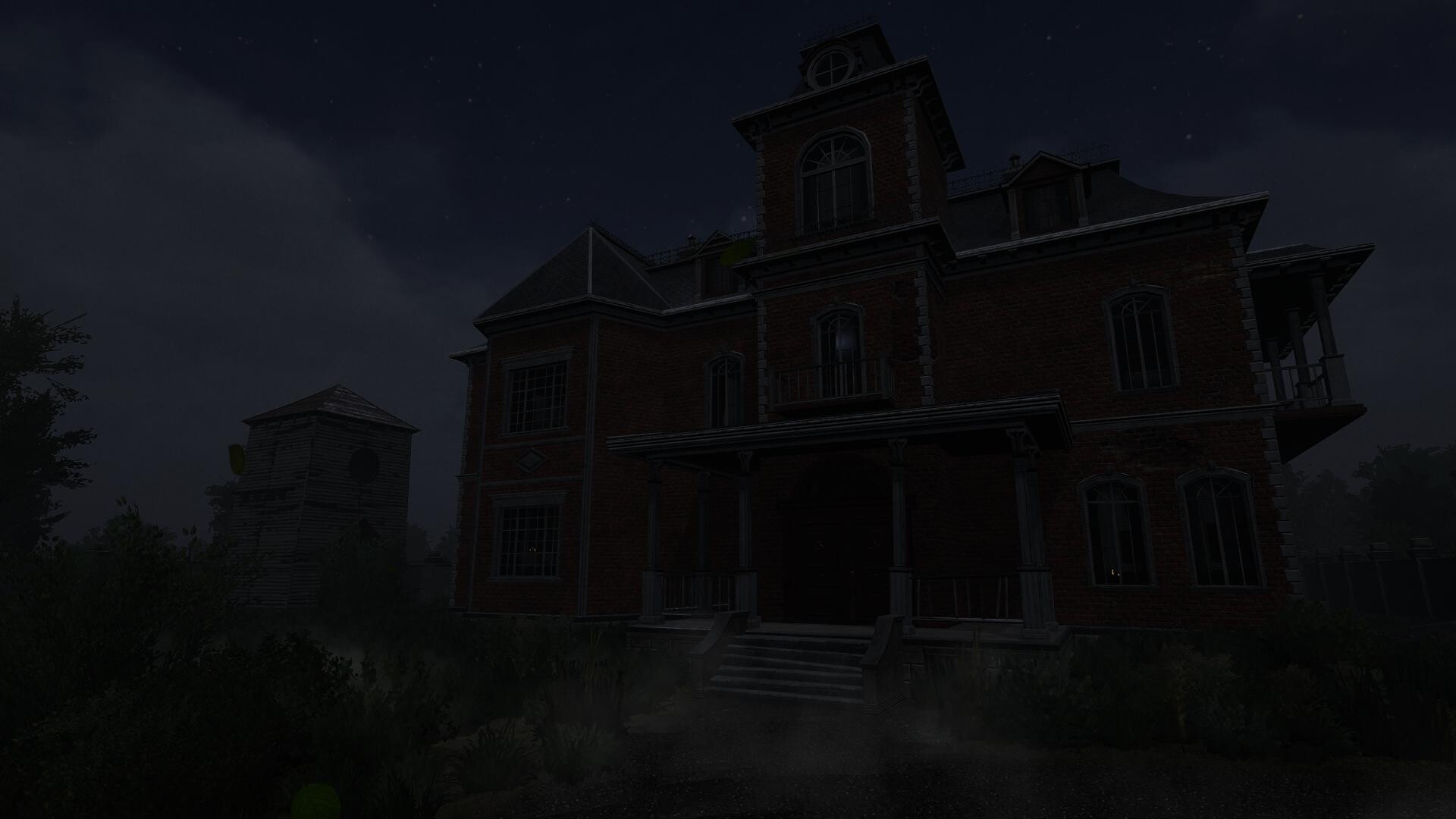
Trace of the Villa (released 28 May, 2026) places a lone investigator in a deliberately forgotten mansion, leaning on environmental storytelling and clue-driven exploration as its primary language. If you prize slow-burn suspense, layered discovery, and puzzle-led reconstruction of a vanished history, this title is aimed squarely at that interest.

Quick facts
| Title | Trace of the Villa |
|---|---|
| Release date | 28 May, 2026 |
| Developer / Publisher | Steadyturtle Co., Ltd. |
| Genres | Action, Adventure, Indie |
| Key Steam categories | Single-player; Color Alternatives; Custom Volume Controls; Playable without Timed Input; Subtitle Options; Family Sharing |
| Steam page | Trace of the Villa on Steam |
What the game is — tone, premise, and the clues it uses
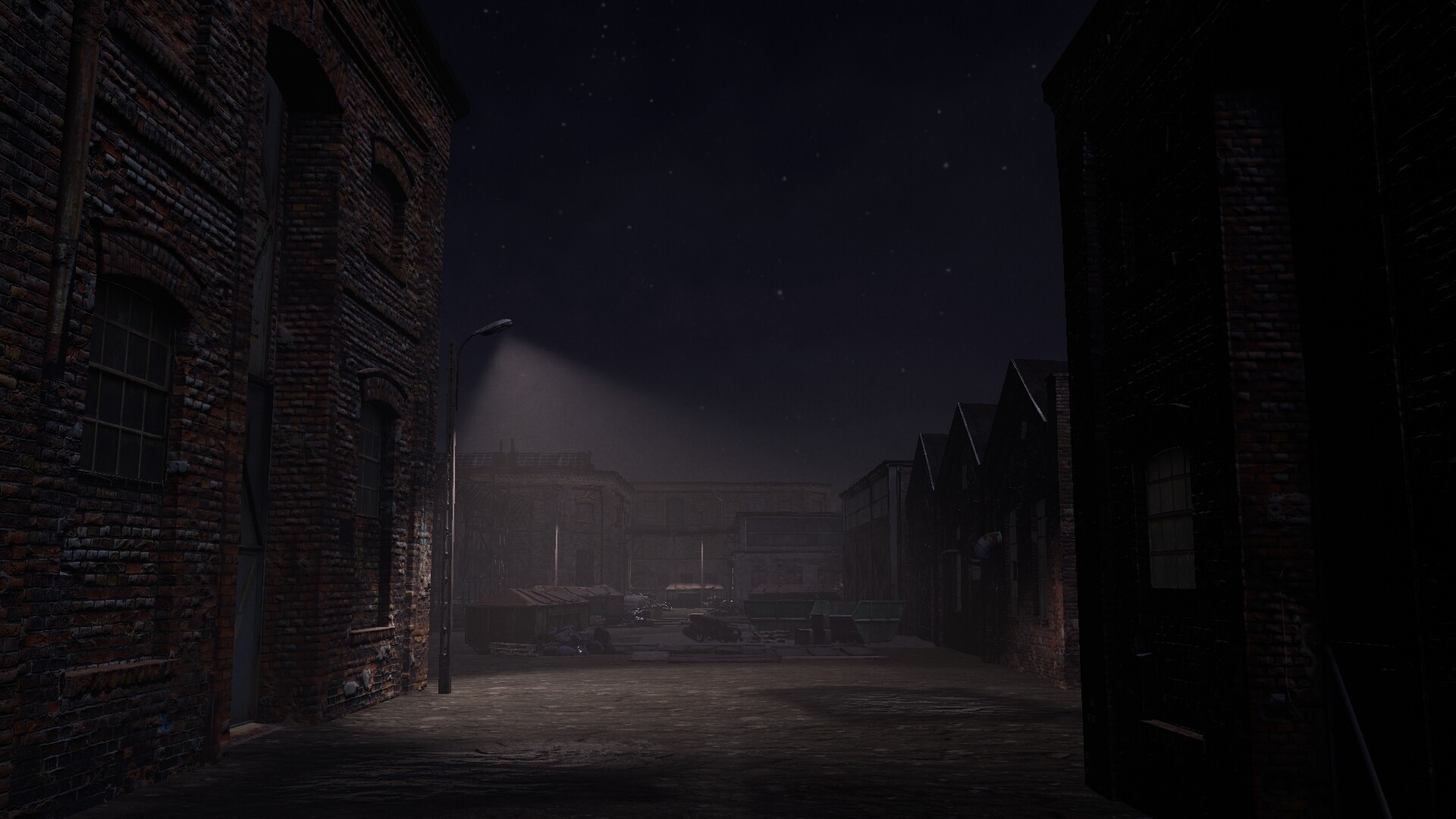
The official setup is straightforward: Jin has spent years searching for his missing sister and follows a lead to a remote, decaying mansion where manifests and hints suggest she may still be alive. The house reads like environmental evidence — rooms left mid-routine, locked doors that guard secured secrets, and systems that, once restored, reveal encrypted documents, transfer records and falsified identities.
When and where: Steam / PC context
Trace of the Villa launched on Steam on 28 May, 2026 and is presented as a PC/Steam indie title from Steadyturtle Co., Ltd. The store page lists it under Action, Adventure and Indie and flags single-player play with accessibility options like subtitle support and the ability to play without timed input.
Who it’s for
- Players who prefer narrative puzzle design and environmental storytelling over combat-driven progression.
- Fans of slow-burn suspense and mansion mysteries where piecing timelines and documents matters.
- Those who appreciate accessibility options (subtitles, non-timed input) and a single-player, atmospheric experience.
How you progress: investigation, puzzles and discovery
According to the official description, progression centers on restoring estate systems, unlocking hidden compartments, and decrypting fragments found in safes — financial trails and falsified records form the investigative backbone. In other words, the game rewards methodical reading of the environment and assembling a timeline from disparate artifacts rather than relying on reflex-based challenges.
Comparison: Which players will prefer Trace of the Villa versus these nearby mystery/adventure titles?
Below is a lawful editorial comparison focused on tone, pacing, puzzle style, exploration, and the player fit — intended to help you decide whether to wishlist Trace of the Villa or pick one of the other well-known atmospheric mystery/adventure titles instead.
| Title | Primary genre / tone | Pacing | Clue & puzzle focus | Exploration style | Best for players who… |
|---|---|---|---|---|---|
| Trace of the Villa | Action / Adventure / Indie — mansion mystery, investigative | Slow, investigative; methodical reconstruction | Document fragments, encrypted records, systems restoration | Focused, interiors of a single large estate; rooms-as-evidence | Prefer narrative puzzle design and piecing together a falsified past |
| Amnesia: The Dark Descent | Action / Adventure / Indie — first-person survival horror | Variable; often tense and survival-driven | Environmental clues with a heavy emphasis on dread and immersion | Labyrinthine spaces with pressure from threats | Enjoy immersion and horror tension alongside discovery |
| SOMA | Action / Adventure / Indie — sci-fi horror, existential | Measured, narrative-heavy with philosophical beats | Story and setting deliver clues; puzzles support the narrative | Enclosed, layered facilities with story-led exploration | Want story-driven atmosphere with sci-fi themes and moral questions |
| Layers of Fear (2016) | Adventure / Indie — psychological horror, Victorian mansion | Psychological, often disorienting and variable | Puzzles blended with surreal shifts; focus on atmosphere | Shifting rooms that reflect mental state rather than logical layout | Like surreal, painterly storytelling and unpredictable environmental change |
| The Room | Adventure / Indie — tactile puzzle box mystery | Steady, puzzle-centric | Mechanical, object-based puzzle solving | Compact, self-contained locations focused on puzzle devices | Prefer tight, object-based puzzles and a tactile clue loop |
| Rusty Lake Hotel | Adventure / Indie — point-and-click, eerie vignette puzzles | Short, episodic, puzzle-focused | Surreal item-based puzzles with recurring themes | Small, stylized rooms and short scenarios | Enjoy short, darker point-and-click puzzles with a quirky tone |
Player scenarios — decide if this fits your playstyle
- You like investigative pacing and evidence assembly: Trace of the Villa’s emphasis on manifests, encrypted fragments and restored systems will reward careful note-taking and patient reconstruction of events.
- You prefer fear-driven confrontation: If you seek sustained survival-horror tension or frequent threat-driven gameplay, titles like Amnesia or SOMA skew more toward that experience.
- You want tight mechanical puzzles: If tactile, object-based solving is what you crave, The Room’s puzzle-box design is more focused on that loop.
- You enjoy episodic, stylized puzzles: For shorter, vignette-style puzzles with a distinct aesthetic, Rusty Lake Hotel delivers compact scenarios.
Where to learn more (YouTube discovery)
If you want to see trailers or gameplay footage, use this search path — it will show available videos and community uploads: You
Leave a Reply