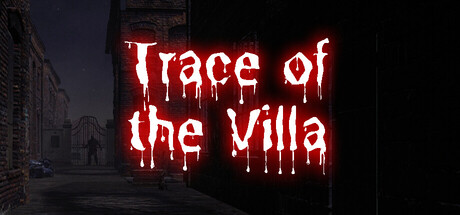
Who should consider Trace of the Villa after enjoying atmospheric mystery adventures
Trace of the Villa (Steadyturtle Co., Ltd., released 28 May, 2026) centers on Jin, a man following a trail of manifests and hints through a remote, decaying mansion to learn whether his missing sister might still be alive. If you prize slow-burn suspense, environmental storytelling, and clue-driven exploration inside a deliberately forgotten estate, this Steam indie adventure is pitched at that sensibility.

Quick facts
| Title | Trace of the Villa |
|---|---|
| Steam App ID | 3483660 |
| Release date | 28 May, 2026 |
| Developer / Publisher | Steadyturtle Co., Ltd. |
| Genres | Action, Adventure, Indie |
| Categories | Single-player; Color Alternatives; Custom Volume Controls; Playable without Timed Input; Subtitle Options; Family Sharing |
| Premise | Jin follows leads to a decaying mansion where manifests and hints suggest his missing sister may still be alive. |
What Trace of the Villa is (and what the Steam page shows)
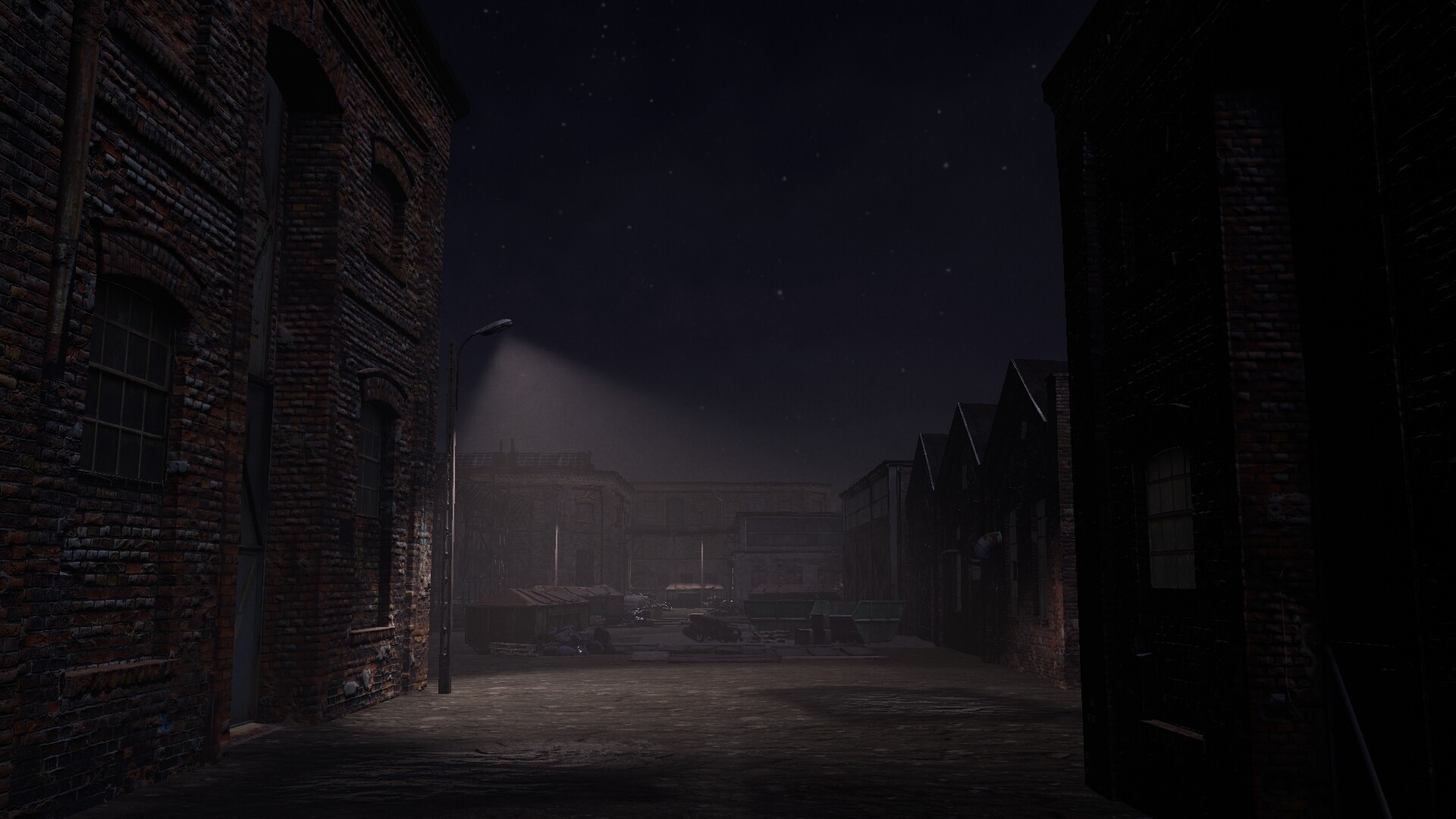
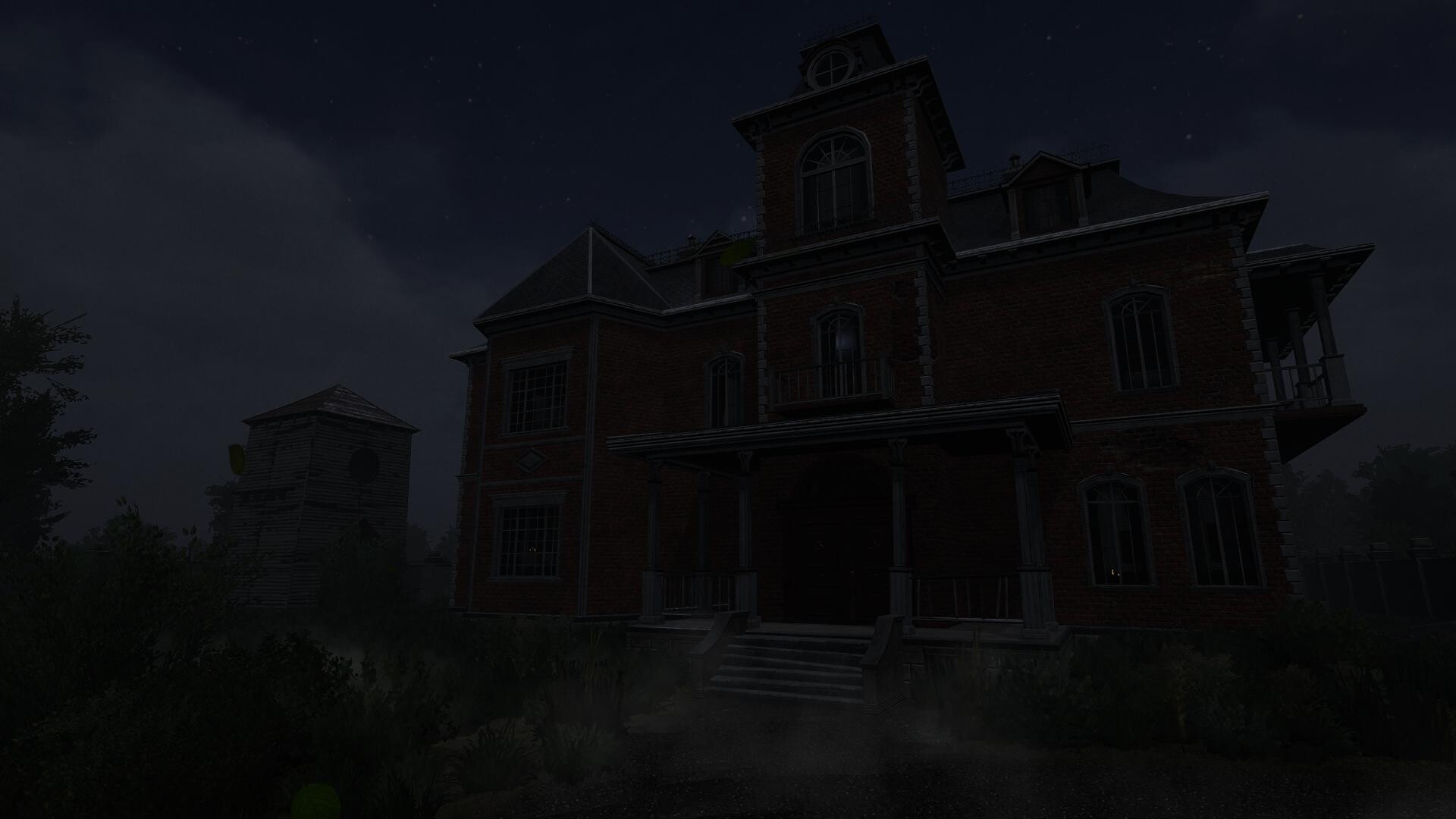
The official short description positions Trace of the Villa as a narrative-led investigation: Jin follows cold leads to an off-grid mansion and recovers manifests and hints implying the search continues. The Steam listing highlights single-player presentation with accessibility options (subtitles, color alternatives, custom volume controls) and a tolerance for non-timed input—details useful for players who prefer pacing over reflex tests.
When and where: Steam context
Trace of the Villa launched on Steam on 28 May, 2026 and is offered by Steadyturtle Co., Ltd. on PC. The store page lists it under Action, Adventure and Indie, and includes accessibility-friendly categories like subtitles, color alternatives, and “Playable without Timed Input”. If you prefer purchasing or wishlisting on Steam, use the official store link below.
Why the mansion premise matters
The Steam text frames the mansion as less abandoned than “erased”: rooms left mid-routine, missing identities, and locked systems that reveal encrypted documents and suspicious transfers when reactivated. That setup signals a puzzle-and-clue structure rooted in environmental storytelling rather than combat-forward horror—an investigative tone where learning the house’s hidden operation is central to the narrative thread.
How progression and clues appear to work (based on the store copy)
According to the official description, restoring power and accessing secured systems progressively unlocks narrative fragments: safes, encrypted documents, and records that build a financial and identity trail. That suggests a design where solving environmental puzzles opens further areas and story beats rather than relying on timed quick-reaction sequences—consistent with the Steam category “Playable without Timed Input.”
Who should wishlist Trace of the Villa
Consider Trace of the Villa if you fit one of these player scenarios below.
- Slow-burn investigators: You enjoy piecing together a story from documents, logs, and restored systems rather than jump-scare set-pieces.
- Atmosphere-first players: You value environmental storytelling and mood—the feeling of wandering a staged, forgotten mansion that reveals its history in fragments.
- Puzzle-focused explorers: You prefer clue-driven progression with accessibility for non-reflex play (subtitles, custom volume controls, and playable without timed input).
- Story-motivated protagonists: You like playing a character with a personal stake—here, Jin’s search for his sister—where the narrative impetus drives each discovery.
- PC players who favour indie mystery adventures: You shop Steam for indie titles that trade big-budget spectacle for close-up detail and narrative intrigue.
How Trace of the Villa compares to nearby mystery and puzzle titles
Below is a compact table focused on editorial criteria—tone, pacing, puzzle emphasis, and exploration—using public store descriptions of each title for lawful comparison and discovery only.
| Game | Release Year | Tone / Atmosphere | Pacing | Puzzle focus / Exploration |
|---|---|---|---|---|
| Trace of the Villa | 2026 | Mansion mystery, investigative, erased identities | Slow-burn, methodical (document-based reveals) | Clue-driven, environmental puzzles, secured systems and safes |
| Amnesia: The Dark Descent | 2010 | Immersive survival horror | Often high-tension, immediate dread | Exploration with survival-horror mechanics and immersion |
| SOMA | 2015 | Sci‑fi horror with existential themes | Measured but tense; survival elements | Exploration-focused in a hostile setting; narrative-driven |
| Layers of Fear (2016) | 2016 | Psychological, Victorian mansion | Slow-building, psychological shifts | Atmospheric exploration; story told through changing spaces |
| The Room | 2014 | Mysterious, puzzle-box tone | Focused, puzzle-encounter pacing | Puzzle-centric, tactile mechanical puzzles in contained environments |
| Rusty Lake Hotel | 2016 | Dark, uncanny puzzle atmosphere | Compact, episodic pacing | Point-and-click puzzles with surreal, narrative vignettes |
Practical takeaway: if you prefer the high-tension immediacy of Amnesia/SOMA, Trace of the Villa looks to emphasize investigative reveal over constant peril. If you enjoyed the staged, memory-like spaces of Layers of Fear or the document-and-object puzzle loops of The Room, Trace of the Villa appears aimed at a similar investigative reward loop—finding fragments that recontextualize the mansion.
YouTube discovery
For trailers or gameplay footage, search YouTube as a discovery path (useful when evaluating pacing and tone visually): Search Trace of the Villa trailers and gameplay on YouTube. Note: use the search link as a discovery tool; it does not verify a particular video as official.
Final decision cues
Wishlist Trace of the Villa if you want a narrative puzzle adventure where the core pleasure is reading a place—its manifests, encrypted records and staged interiors—to assemble a hidden timeline. If your playstyle leans to reflexive horror encounters or continual threat, the Steam categories suggesting non-timed input and document-led reveals indicate a different rhythm than survival-horror staples.
Steam link
Disclaimer
Referenced titles and trademarks belong to their respective owners. Comparisons above are editorial
Leave a Reply