
Trace of the Villa — who should wishlist this atmospheric mystery adventure?
Trace of the Villa is a slow-burn, mansion-centered mystery about Jin’s search for his missing sister, set in a deliberate, clue-driven environment where restoring systems and uncovering documents reveal a concealed operation. Released on 28 May, 2026 by Steadyturtle Co., Ltd., it leans into environmental storytelling and narrative puzzle design rather than fast-action scares.

Quick facts
| Title | Trace of the Villa |
|---|---|
| Developer / Publisher | Steadyturtle Co., Ltd. |
| Release date | 28 May, 2026 |
| Steam AppID | 3483660 |
| Genres | Action, Adventure, Indie |
| Key Steam categories | Single-player; Color Alternatives; Custom Volume Controls; Playable without Timed Input; Subtitle Options; Family Sharing |
What the game is (official premise)
Official short description: “Jin has spent years searching for his missing sister, pursuing leads that took him to a remote, decaying mansion where he recovered manifests and hints that indicate his sister may still be alive, somewhere at the end of the trail he is about to follow.”
The fuller Steam description paints a house that feels “less abandoned than erased”: furnished rooms with no names, locked doors hiding secured secrets, and an investigative arc that unfolds as power and systems are restored. Official detail notes that restoring the estate’s power brings secured systems back online, unlocks hidden compartments and safes, and yields fragments of encrypted documents and suspicious transfer records — evidence that the site was part of something larger than a simple residence.
When and where: Steam context
Trace of the Villa launched on Steam on 28 May, 2026. The store page lists Steadyturtle Co., Ltd. as both developer and publisher, and the Steam page includes accessibility and convenience categories such as subtitle options, color alternatives, and playable without timed input.
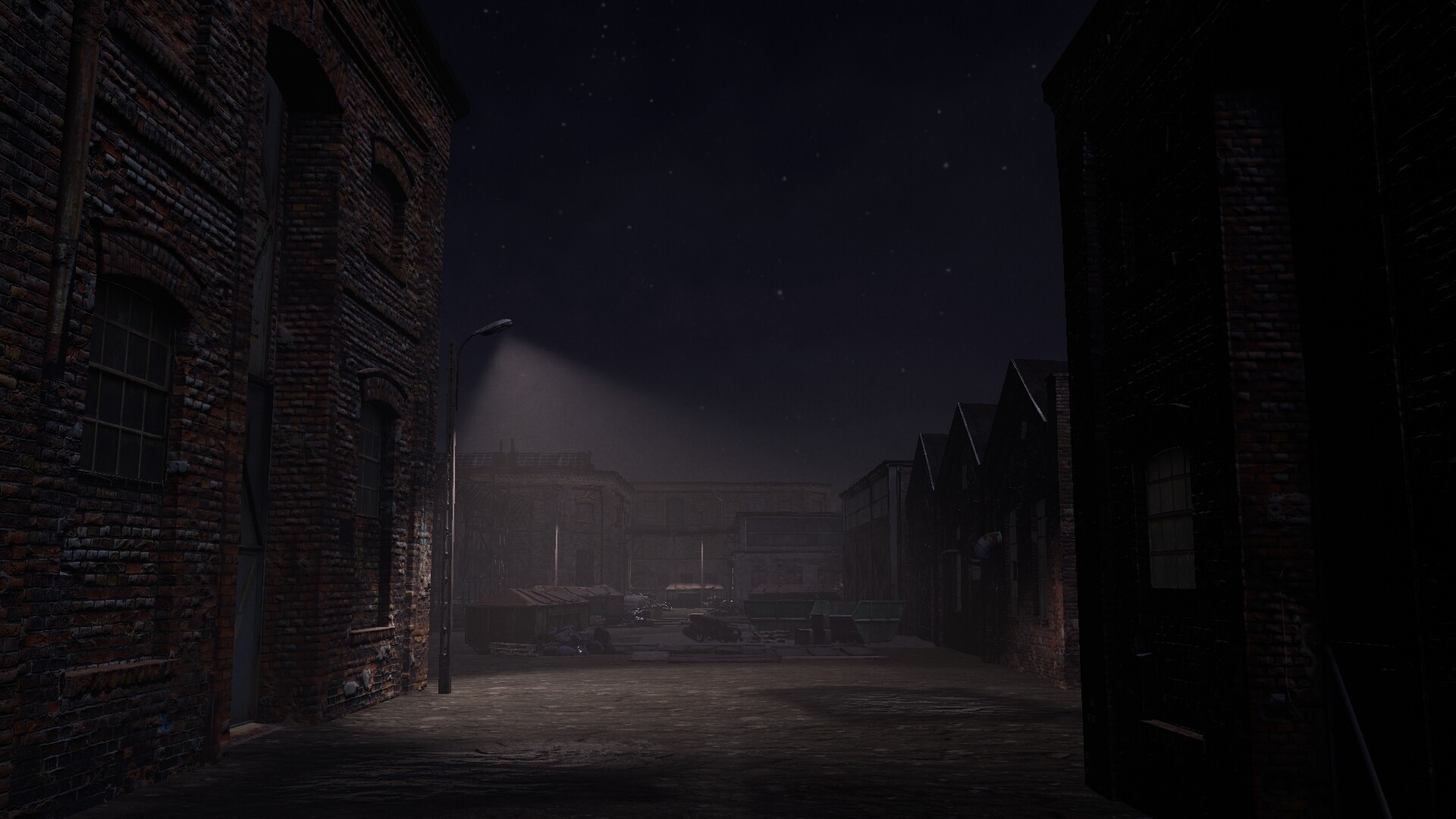
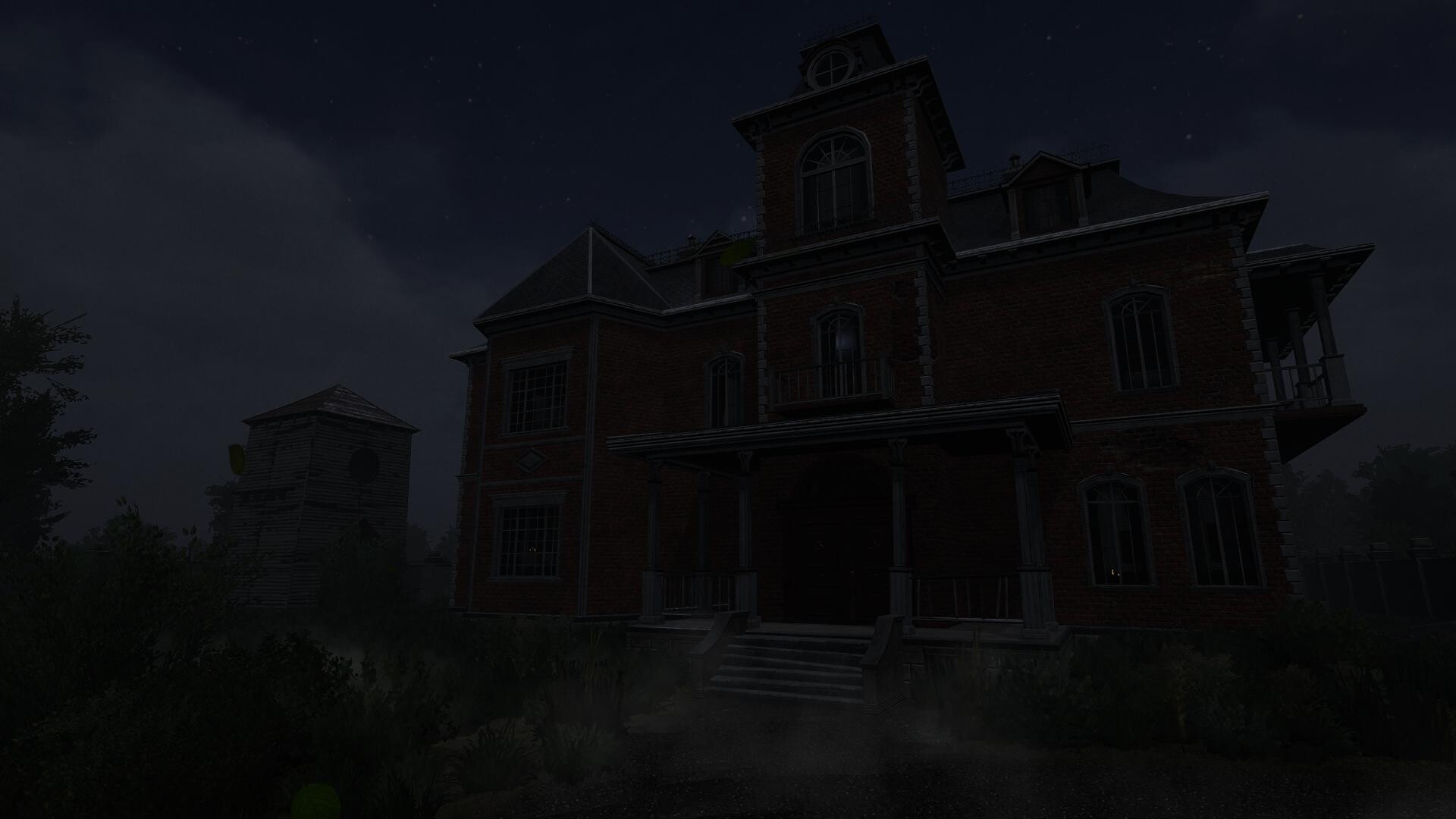
Who this is for
- Players who favour atmospheric mystery adventure and environmental storytelling over arcade action.
- Those who prefer clue-driven exploration and narrative puzzle design: restoring systems, unlocking safes, and following financial/identity traces are central investigative beats listed on the Steam page.
- Fans of slow-burn suspense and mansion mysteries—players who appreciate a methodical reveal rather than jump-scare pacing.
- PC players who want accessibility options like subtitles, color alternatives, and gameplay modes that avoid timed input pressure.
How you progress: reading clues and unraveling the house
The Steam description makes the game’s investigative loop explicit: Jin restores power, which reactivates secured systems; hidden compartments and safes can then be opened to yield pieces of encrypted documents and suspicious transfer records. Those fragments form the primary connective tissue: manifests, falsified identities, and financial trails that imply coordinated movement through the property. Progress is therefore about piecing together evidence and following leads across rooms and systems rather than mastering reflex-based mechanics.
Why the theme matters
A missing-person story framed inside a deliberately “erased” residence shifts emphasis from overt horror to investigative unease: the absence of names and photographs, coupled with falsified records, makes identity and motive the mystery’s core. If you value story tone and discovery where atmosphere and documentation drive tension, Trace of the Villa focuses on those elements by design.
How it compares — lawful editorial snapshot
Below is a compact editorial comparison that highlights tone, pacing, and puzzle/exploration emphasis compared with a handful of well-known mystery and atmospheric titles. These characterizations use each title’s Steam-page descriptions and metadata to help readers decide fit, not to claim superiority.
| Title | Genre(s) | Atmosphere / Tone | Puzzle focus | Exploration style | Pacing | Release |
|---|---|---|---|---|---|---|
| Trace of the Villa | Action, Adventure, Indie | Mansion mystery; investigative, erased identities | Clue- and document-driven puzzles; restoring systems and unlocking safes (Steam description) | Room-to-room forensic exploration with system reactivation | Slow-burn, methodical | 28 May, 2026 |
| Amnesia: The Dark Descent | Action, Adventure, Indie | Immersive survival horror; nightmare-focused | Discovery and environmental puzzle elements framed by survival | First-person immersion through atmospheric spaces | Tense, horror-led (intense moments) | 8 Sep, 2010 |
| SOMA | Action, Adventure, Indie | Sci-fi horror; existential and atmospheric | Exploration and narrative puzzles within a hostile setting | Submerged, confined exploration with narrative beats | Measured tension with survival elements | 21 Sep, 2015 |
| Layers of Fear (2016) | Adventure, Indie | Psychological horror; painterly, unsettling mansion | Story and atmosphere-forward puzzles; reality-shifting elements | Mansion exploration with shifting geometry | Slow build with surreal reveals | 15 Feb, 2016 |
| The Room | Adventure, Indie | Mystery; intimate and mechanical | Focused, tactile puzzle boxes and mechanical solutions | Contained spaces and object-based investigation | Puzzle-focused and deliberate | 28 Jul,
Steam pageView Trace of the Villa on Steam YouTube discoveryFor trailer and gameplay discovery, use YouTube search rather than relying on unverified embeds: Find Trace of the Villa trailer and gameplay searches on YouTube. CommentsMore posts |
Leave a Reply