
Who should consider Trace of the Villa after enjoying atmospheric mystery adventures?
Trace of the Villa (released 28 May, 2026) places you in a decaying, off‑grid mansion where Jin follows fragments of evidence that may point to his missing sister. If you value slow-burn suspense, environmental storytelling, and clue-driven exploration, this Steam indie adventure leans into investigation over twitch reflexes.

At a glance
| Title | Trace of the Villa |
|---|---|
| Release date | 28 May, 2026 |
| Developer / Publisher | Steadyturtle Co., Ltd. |
| Official premise | Jin searches a remote, decaying mansion and recovers manifests and hints that his missing sister may still be alive. |
| Genres | Action, Adventure, Indie |
| Steam categories | Single-player; Color Alternatives; Custom Volume Controls; Playable without Timed Input; Subtitle Options; Family Sharing |
What Trace of the Villa is — and what it isn’t
Trace of the Villa presents a narrative investigation inside a deliberately forgotten estate. The official description frames the experience around restoring systems, unlocking hidden compartments, and extracting encrypted documents and transfer records — all clues that push Jin deeper into an operation that’s more than a simple missing‑person case. The game lists Action and Adventure among its genres, but Steam categories like “Playable without Timed Input” and subtitle support indicate a focus on paced exploration and readable story beats rather than twitch horror mechanics.
When and where
Trace of the Villa is available on Steam (released 28 May, 2026). The Steam page lists developer and publisher as Steadyturtle Co., Ltd., and includes accessibility‑friendly options such as color alternatives and custom volume controls.
Why the theme matters
The mansion mystery setup emphasizes environmental storytelling: rooms kept as if their occupants vanished mid‑routine, falsified identities, and financial trails that lead nowhere. That framing makes the game appealing to players who prefer to learn plot through found documents, system reactivation, and incremental reveals rather than explicit cutscene exposition.
How you read clues and progress
According to the official description, progression is driven by restoring power and accessing secured systems and hidden compartments. Expect puzzle and investigation beats that unlock narrative fragments — encrypted documents, manifests, transfer records — rather than continuous combat encounters. The presence of “Playable without Timed Input” suggests puzzles are intended for considered solving rather than time‑pressured challenge.
Screenshots from the Steam page
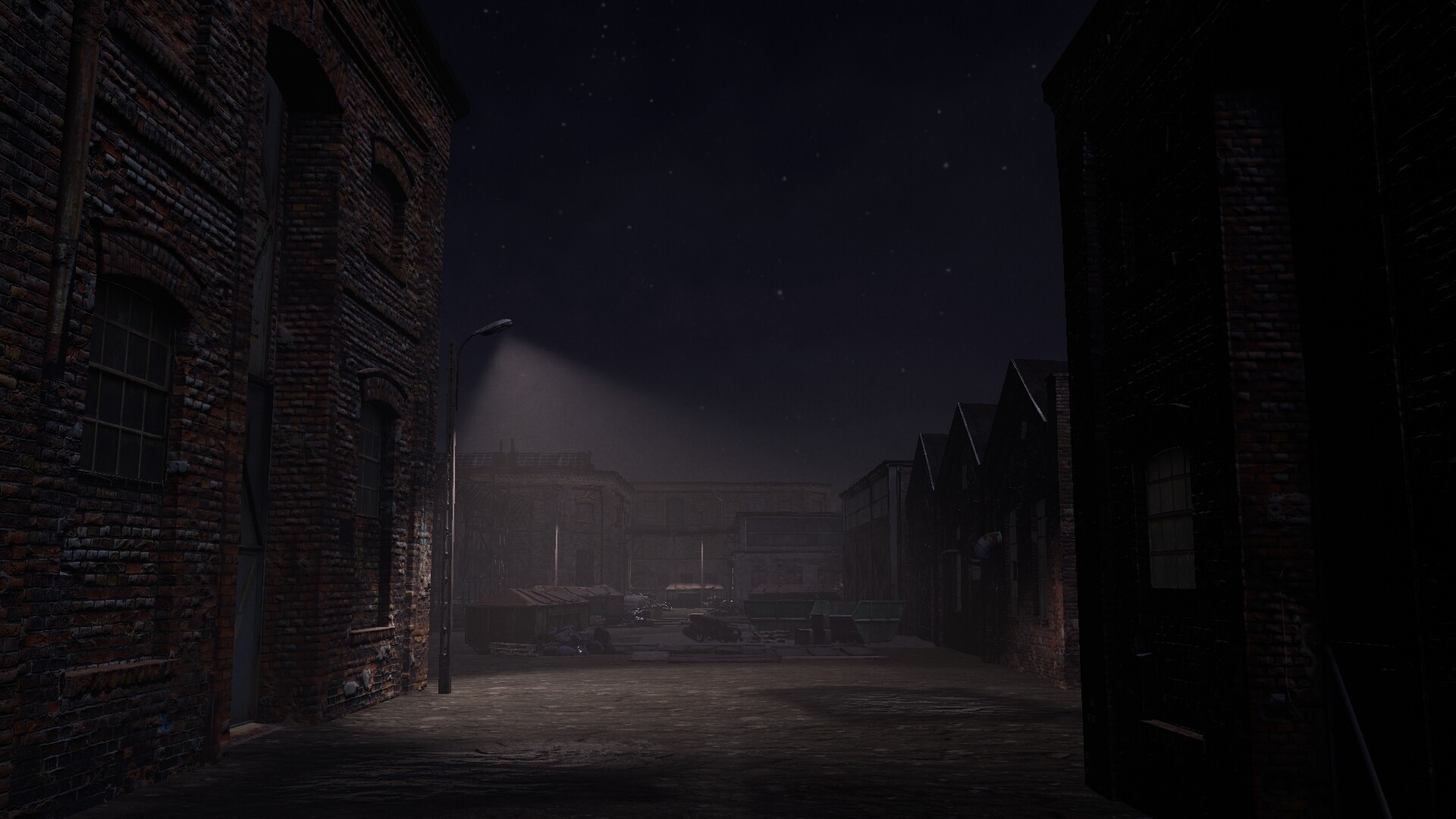
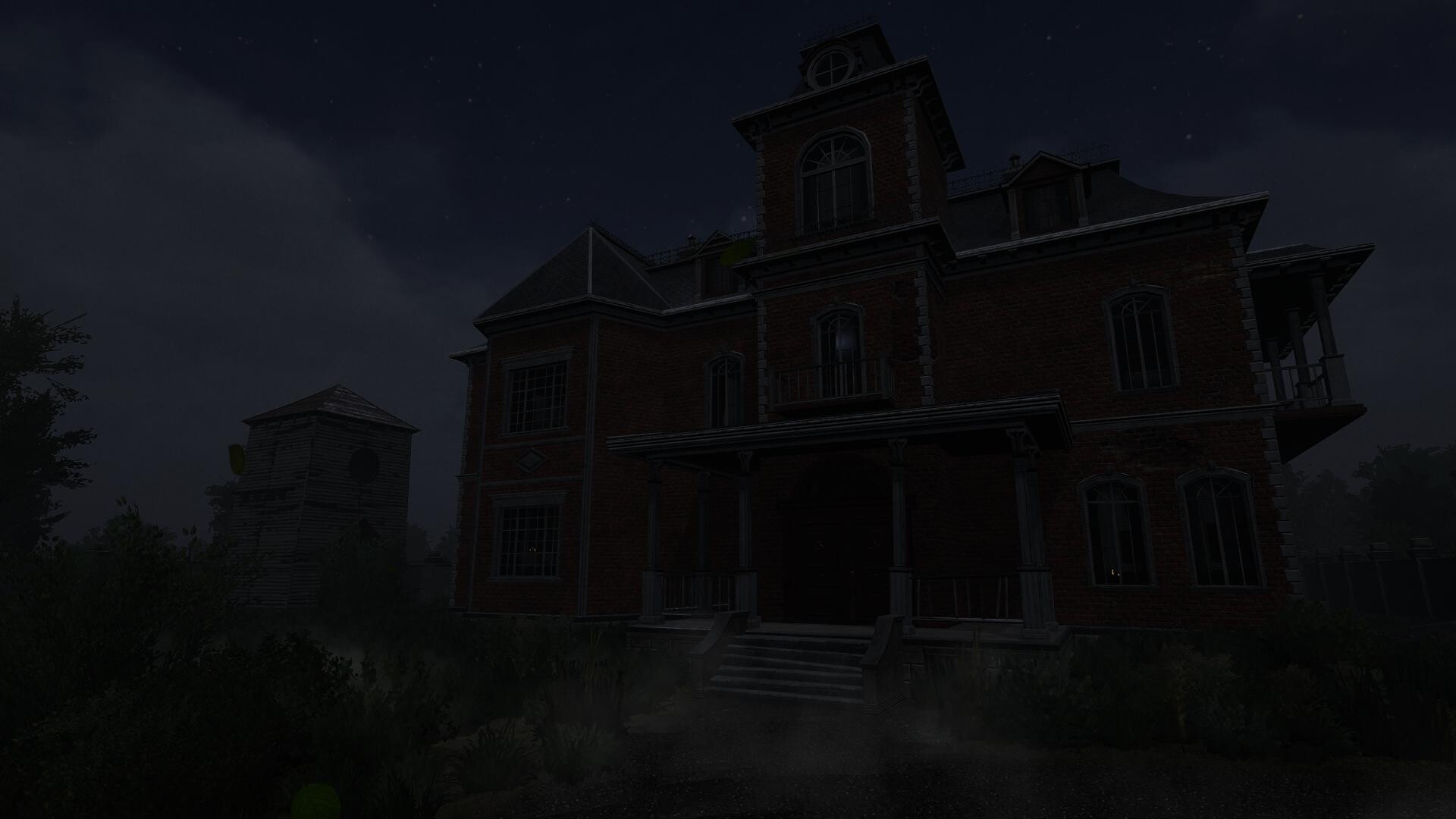
Who should wishlist Trace of the Villa?
- Players who prefer atmospheric mystery adventure games that emphasize environmental storytelling and document-based clues over combat‑driven progression.
- Fans of slow-burn, mansion‑set narratives where restoring systems and unlocking hidden compartments are core mechanics.
- PC players who value accessibility options like subtitles, color alternatives, and the ability to play without timed inputs.
- Those who enjoyed story-rich puzzle design in smaller indie releases and want a focused single‑player investigation.
Scenario-based reader guidance
Scenario A — You liked slow psychological tension (not jump scares)
If you appreciated methodical atmosphere and climbing tension—learning the house’s story from objects and systems—Trace of the Villa’s emphasis on hidden documents and restored systems will fit that taste.
Scenario B — You want puzzles that reward reading and inspection
Players who enjoy piecing together narratives from manifests, transfer records, and encrypted fragments should find the investigative rhythm satisfying; the Steam metadata suggests puzzle progress is deliberate rather than reflexive.
Scenario C — You prefer short, intense horror bursts
Trace of the Villa’s Steam categories and description point to investigative pacing and environmental reveals over constant, survival‑horror combat. If your preference is constant adrenaline and first‑person survival mechanics, consider whether you want a slower, clue‑oriented experience.
How Trace of the Villa compares to related mystery/adventure titles
Below is an editorial comparison by tone, pacing, puzzle focus, and exploration style — meant as discovery, not endorsement.
| Title | Release | Genre(s) | Tone / Atmosphere | Pacing | Puzzle / Clues | Exploration Style |
|---|---|---|---|---|---|---|
| Trace of the Villa | 28 May, 2026 | Action, Adventure, Indie | Decaying mansion, document and system-based mystery | Deliberate, investigative | Encryption, manifests, secured systems and hidden compartments | Room-based, environmental storytelling |
| Amnesia: The Dark Descent | 8 Sep, 2010 | Action, Adventure, Indie | Immersive existential horror and dread | Slow burn with tense survival segments | Environmental clues mixed with survival mechanics | First-person, atmospheric traversal |
| SOMA | 21 Sep, 2015 | Action, Adventure, Indie | Sci‑fi horror, philosophical and unsettling | Measured narrative pacing with tense sequences | Story-focused discoveries with audio/log artifacts | Exploration of confined, interconnected spaces |
| Layers of Fear (2016) | 15 Feb, 2016 | Adventure, Indie | Psychological, shifting Victorian mansion | Unsteady, atmospheric; reveals through changing space | Puzzle moments woven into story and set pieces | Dynamic, room-to-room with uncanny transformations |
| The Room | 28 Jul, 2014 | Adventure, Indie | Focused, tactile mystery around a single device | Compact and puzzle-centric | Mechanical puzzles centered on a single locked object | Constrained, intimate spaces emphasizing close inspection |
| Rusty Lake Hotel | 29 Jan, 2016 | Adventure, Indie | Dark, surreal, and puzzle-driven | Short chapters with puzzle sequences | Point-and-click puzzles with clever object use | Room-based, vignette-style exploration |
Where to see trailers and gameplay
For trailers and player uploads, use the YouTube search path rather than assuming a single official video: Search Trace of the Villa
Leave a Reply