
Who should consider Trace of the Villa after enjoying atmospheric mystery adventures
Trace of the Villa is a slow-burn, clue-driven mansion mystery that centers on Jin’s search for a missing sister inside a deliberately forgotten estate. If you like environmental storytelling, narrative puzzle design, and an investigation that unfolds through restored systems and uncovered documents, this Steam release is worth a close look.

Quick facts
| Title | Trace of the Villa |
|---|---|
| Developer / Publisher | Steadyturtle Co., Ltd. |
| Release date | 28 May, 2026 |
| Steam AppID / Store | store.steampowered.com/app/3483660/Trace_of_the_Villa |
| Genres | Action, Adventure, Indie |
| Categories | Single-player; Color Alternatives; Custom Volume Controls; Playable without Timed Input; Subtitle Options; Family Sharing |
| Steam user reviews | No user reviews available on Steam at time of publishing |
What the game is — tone and core premise
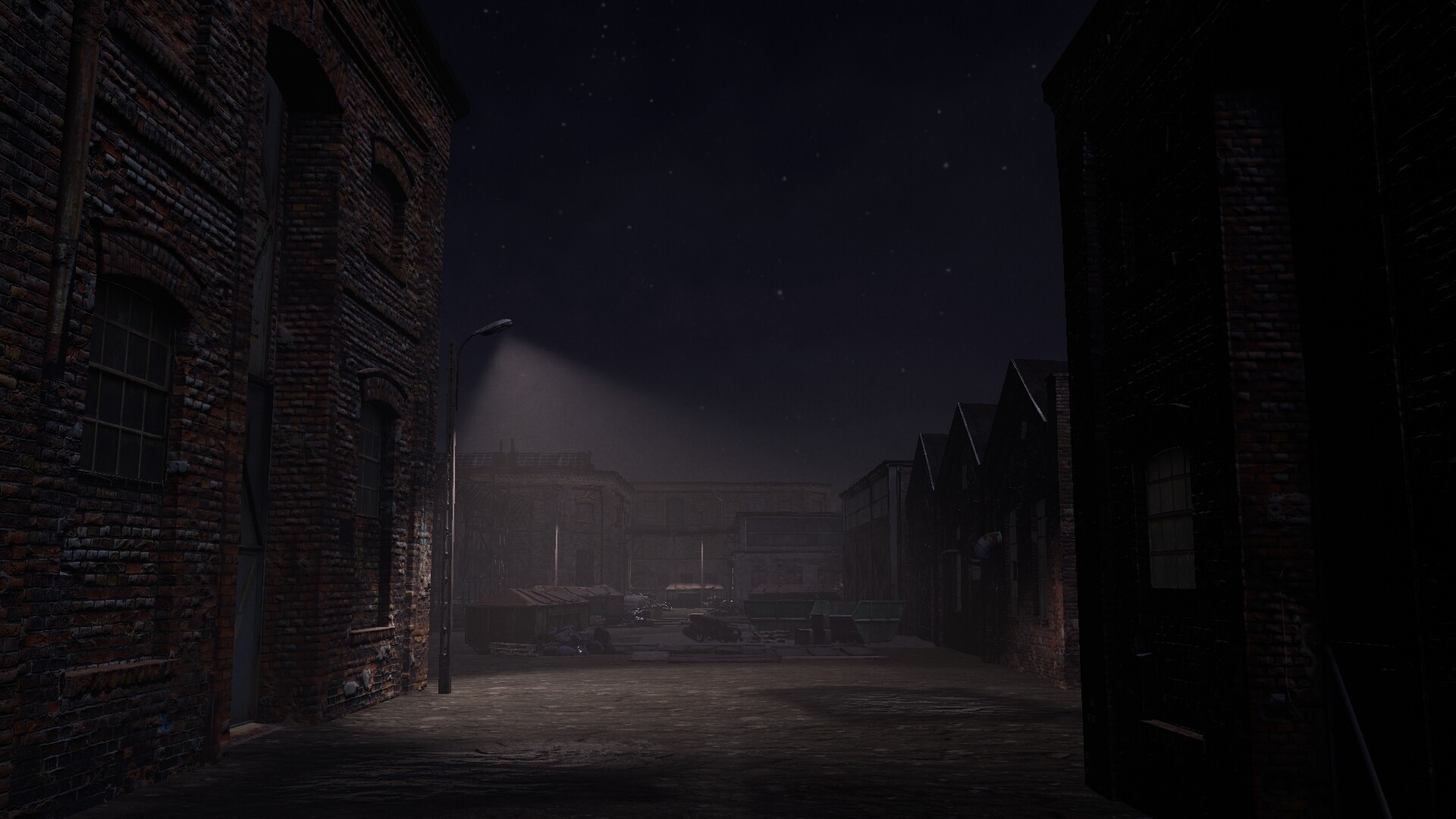
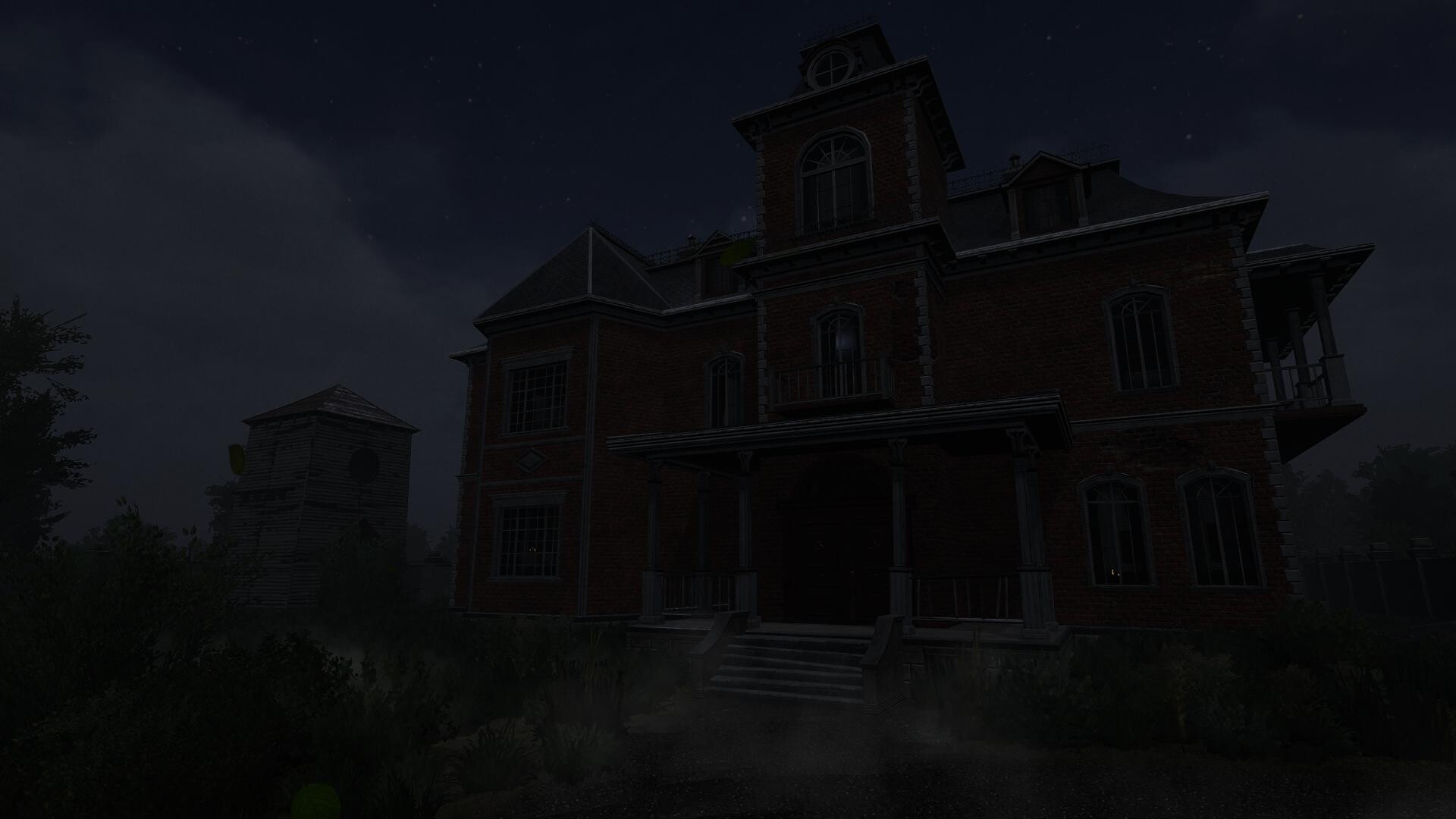
Trace of the Villa places you in Jin’s shoes: a personal investigation into a remote, decaying mansion where manifests, encrypted documents and suspicious transfer records suggest a much larger, controlled operation. The official description makes clear the game leans on atmosphere and reconstructive investigation — restoring power, reactivating systems, and unlocking hidden compartments are explicit plot devices rather than invented features.
When and where
Trace of the Villa launched on Steam on 28 May, 2026 and is presented as a PC Steam title under Steadyturtle Co., Ltd. The Steam page lists standard accessibility categories such as subtitles, color alternatives and “playable without timed input,” which may appeal to players who prioritize a measured pace.
Why the theme matters
This is an investigation framed as a personal, emotional search — not just a series of puzzles. The mansion’s “erased” feel (rooms furnished as if their occupants vanished, missing photographs and identities) sets an atmospheric tone where discovery and inference carry narrative weight. Players who favor story-rich adventures where environmental detail fills in what characters don’t explicitly say will find the premise meaningful.
How you progress — clues, pacing and puzzle approach
The official copy describes progress tied to systems and artifacts: restoring power to the estate, bringing secured systems back online, unlocking hidden compartments, and opening safes that yield fragments of encrypted documents and transfer records. That suggests a progression loop built around investigation and decoding evidence rather than combat escalation. Steam categories like “Playable without Timed Input” and subtitle options underline a deliberate, exploratory pacing rather than twitch-based gameplay.
Who should wishlist or buy Trace of the Villa?
- Fans of slow-burn mystery. If you prefer investigation and atmosphere over fast action, the mansion’s secrecy and evidence-led story are tailored to a careful pace.
- Players who like environmental storytelling. The game foregrounds rooms and objects as narrative triggers (furnished rooms, missing photographs, sealed compartments).
- Puzzle-first players who value context. The official description emphasises safes, encrypted fragments and financial trails — puzzles that reveal story rather than abstract brainteasers alone.
- Accessibility-minded players. Categories such as “Playable without Timed Input,” color alternatives and subtitle options may help players who need a less reflex-driven experience.
Who might prefer something different
If your appetite runs to visceral survival horror with mechanics focused on hiding and evasion, or to fast-paced, action-heavy thrillers, other titles in the mystery/horror space may match that preference more closely. Trace of the Villa’s design, as presented on Steam, emphasizes investigation and narrative reconstruction.
Lawful editorial comparison: how Trace of the Villa relates to nearby mystery games
The table below compares tone, pacing, puzzle focus and exploration style using only factual descriptions from each title’s Steam summary or publisher-provided notes.
| Title | Tone | Pacing | Clues & Puzzle Focus | Exploration Style |
|---|---|---|---|---|
| Trace of the Villa | Personal, investigative mansion mystery (erased identities; unsettling past) | Slow-burn, deliberate (restoring systems and uncovering documents drives progress) | Evidence-driven: manifests, encrypted documents, safes, secured systems | Indoor mansion exploration tied to reactivating systems and hidden compartments |
| Amnesia: The Dark Descent (2010) | Immersive survival horror (designed to chill the player) | Slow-to-medium with tension spikes (survival and immersion) | Discovery through environment and survival mechanics; atmospheric puzzles | First-person, immersive environments aimed at horror and dread |
| SOMA (2015) | Sci-fi horror with existential themes (undersea setting) | Measured pacing with narrative focus and occasional audio-visual shocks | Story-oriented puzzle and investigative elements blended with survival | Lab- and facility-based exploration with environmental storytelling |
| Layers of Fear (2016) | Psychological horror centered on a Victorian mansion (artist’s descent) | Slow, atmospheric, psychologically driven | Puzzles and scripted events used to reveal backstory and unsettle | Shifting mansion spaces; emphasis on sensory and narrative exploration |
| The Room (2014) | Mysterious, puzzle-box tone (focused, intimate) | Compact, puzzle-focused pacing | Mechanical and tactile puzzles (safe/lockbox investigation) | Isolated, room-scale puzzle exploration rather than large environment traversal |
| Rusty Lake Hotel (2016) | Dark, eerie, puzzle-adventure tone | Shorter, vignette-style pacing (serving guests with self-contained mysteries) | Point-and-click puzzles with a surreal narrative through object interactions | Room-by-room, point-and-click exploration with an episodic structure |
Specific player scenarios
Below are concise scenarios that describe the kind of player who will likely find Trace of the Villa rewarding.
- You enjoy piecing a story together from fragments. If you liked following manifests, transfer records, and encrypted fragments to assemble a timeline, Trace of the Villa’s described mechanics align directly with that satisfaction.
- You prefer atmospheric suspense without timed reflex demands. The Steam category “Playable without Timed Input” and the mansion’s investigative framing point toward patient, thoughtful play sessions.
- You want narrative puzzles that reveal motive and system-level secrets. The official description’s emphasis on financial trails and falsified identities suggests puzzles are tied to exposing an operation, not just isolated riddles.
- You value accessible options while exploring mystery environments. Subtitle options and color alternatives indicate attention to varied play needs
YouTube discovery
For trailer and gameplay discovery, use YouTube search rather than relying on unverified embeds: Find Trace of the Villa trailer and gameplay searches on YouTube.
Leave a Reply