
Who should consider Trace of the Villa after enjoying atmospheric mystery adventures
Trace of the Villa is a slow-burn, clue-driven mystery set around a remote, decaying mansion where Jin searches for his missing sister. Released on 28 May, 2026 by Steadyturtle Co., Ltd., the game foregrounds environmental storytelling, locked systems that must be restored, and puzzle-led discovery rather than action spectacle.

Quick facts
| Title | Trace of the Villa |
|---|---|
| Release date | 28 May, 2026 |
| Developer | Steadyturtle Co., Ltd. |
| Publisher | Steadyturtle Co., Ltd. |
| Genres | Action, Adventure, Indie |
| Steam categories | Single-player; Color Alternatives; Custom Volume Controls; Playable without Timed Input; Subtitle Options; Family Sharing |
| Short premise | Jin searches a decaying, off-grid mansion where manifests and hints suggest his missing sister may still be alive. |
Who this is for
Trace of the Villa is aimed at players who prefer narrative puzzle design and atmospheric investigation over combat-first experiences. If you gravitate toward mansion mysteries, methodical clue-gathering, and environmental storytelling that reveals plot through unlocked systems and artifacts, this title is likely to appeal.
What the game is
The official Steam description frames Trace of the Villa as a personal investigation: Jin arrives at a deliberately forgotten estate, restores power, opens secured compartments and safes, and pieces together encrypted documents and transfer records. The mansion’s empty, mid-routine rooms are used as evidence to suggest a larger concealed operation. That setup signals a focus on exploration, puzzle unlocking, and a paced, investigative tone.
When and where
Trace of the Villa launched on Steam on 28 May, 2026. The Steam page lists Steadyturtle Co., Ltd. as both developer and publisher, and the store listing includes features such as subtitles, color alternatives and “playable without timed input,” which will matter to players who prefer accessible, unrushed puzzle-solving.
Why the theme matters
The mansion-as-archive structure matters because it leans on environmental clues rather than exposition. According to the official description, the house appears “erased” — furnished but lacking names or photographs — which pushes players to read physical traces and recovered digital records to reconstruct events. If you enjoy mystery adventures that make the setting itself the primary storyteller, Trace of the Villa fits that design philosophy.
How you progress
Progression is described in store text as restoration-driven: restoring power brings systems back online, hidden compartments and safes become accessible, and encrypted documents and suspicious transfer records appear. The primary loop is investigative: examine scenes, solve puzzles or unlock devices, and follow financial/identity threads revealed by those actions. The Steam categories emphasize accessibility options (subtitles; no timed input), which suggest a puzzle pace that rewards careful reading over reflexes.
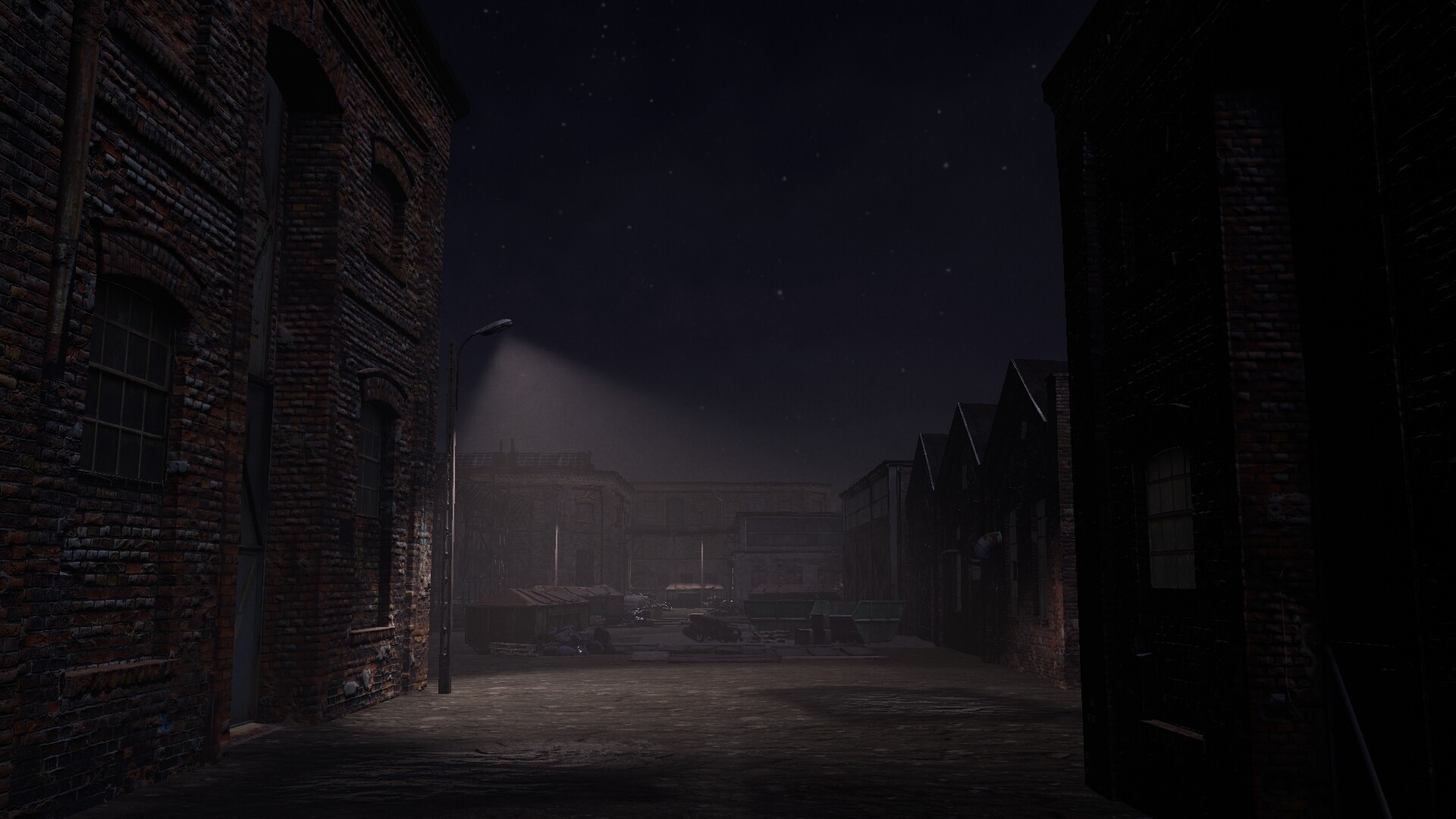
Comparison: where Trace of the Villa sits among similar mystery/adventure titles
The following table compares Trace of the Villa to several atmospheric mystery and psychological-adventure titles on lawful editorial criteria: tone, pacing, how puzzles/clues are presented, and exploration style. These comparisons are drawn from official store descriptions and catalogue metadata for each title.
| Title | Tone | Pacing | Clue / Puzzle focus | Exploration style |
|---|---|---|---|---|
| Trace of the Villa | Mansion mystery; investigative and unsettling (missing identities, erased history) | Methodical, investigation-led; restoration of systems unlocks progress | Encrypted documents, safes, secured systems and manifests drive clues | Careful environmental reading of rooms; off-grid estate as primary location |
| Amnesia: The Dark Descent | Immersive survival-horror, nightmare-focused | Often urgent and tense; survival mechanics increase pressure | Discovery via exploration under threat; atmosphere supplies context | First-person, claustrophobic mansion and castle environments |
| SOMA | Sci-fi horror that questions existence | Slow-building, contemplative with survival elements | Story emerges through logs and environment; philosophical framing | Undersea, closed-facility exploration with narrative uncovering |
| Layers of Fear (2016) | Psychological horror centered on a Victorian manor and madness | Variable — often looping, unsettling shifts in space and pacing | Puzzle/object interactions tied to narrative and perception | Shifting mansion spaces that change as you explore |
| The Room | Focused puzzle mystery with a tangible, tactile feel | Measured, puzzle-by-puzzle; little external narrative pressure | Mechanical, multi-stage physical puzzles (safes/boxes) | Contained single-location puzzle exploration (the room/objects) |
| Rusty Lake Hotel | Dark, surreal puzzle-adventure with an episodic structure | Short, dense chapters with immediate puzzle objectives | Point-and-click item and logic puzzles tied to guest interactions | Discrete rooms/levels with stylized, hand-crafted scenes |
Player scenarios — who should wishlist Trace of the Villa
- You liked methodical mansion investigations: If you appreciated reading a space for clues and assembling a timeline from objects and documents, Trace of the Villa’s focus on erased identities and recovered manifests fits that appetite.
- You prefer puzzles that feel documentary: Players who enjoy unlocking safes, restoring systems, and revealing encrypted records as a narrative device will find those mechanics central to progression here.
- You want paced tension without timed inputs: The Steam category “Playable without Timed Input” signals a design that favors thoughtful play over reflex stress—good for players who want suspense without speed pressure.
- You value accessibility and adjustable presentation: Subtitle options and color alternatives are in the store metadata, which helps players who need or prefer those features while engaging with a story-rich adventure.
- You enjoyed titles like The Room’s tactile puzzles but want a larger narrative setting: Trace of the Villa appears to blend contained puzzle unlocking with a broader estate mystery rather than a single-object focus.
Practical note on tone and pace
Compared to survival horror (Amnesia, SOMA) where threat and atmosphere often create immediate tension, Trace of the Villa — as described on its Steam page — reads as a narrative and investigative experience: tension comes from discoveries and the implications of what is found rather than constant external peril. Players who enjoy environmental storytelling and gradual unspooling of a conspiracy or hidden operation should find its pacing appropriate.
Watch or search for trailers
For gameplay trailers or additional footage, use the YouTube search path: search Trace of the Villa trailer / gameplay on YouTube. This is provided as a discovery link rather than a claim of an official channel.
Visit Trace of the Villa on Steam
Disclaimer: referenced titles and trademarks belong to their respective owners. Comparisons here are editorial discovery only, based on official store descriptions and catalogue
Leave a Reply