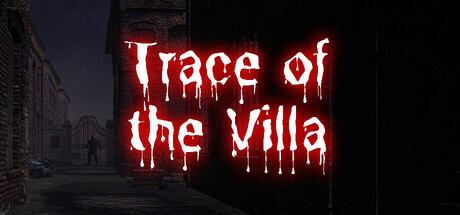
Who should consider Trace of the Villa after enjoying atmospheric mystery adventures
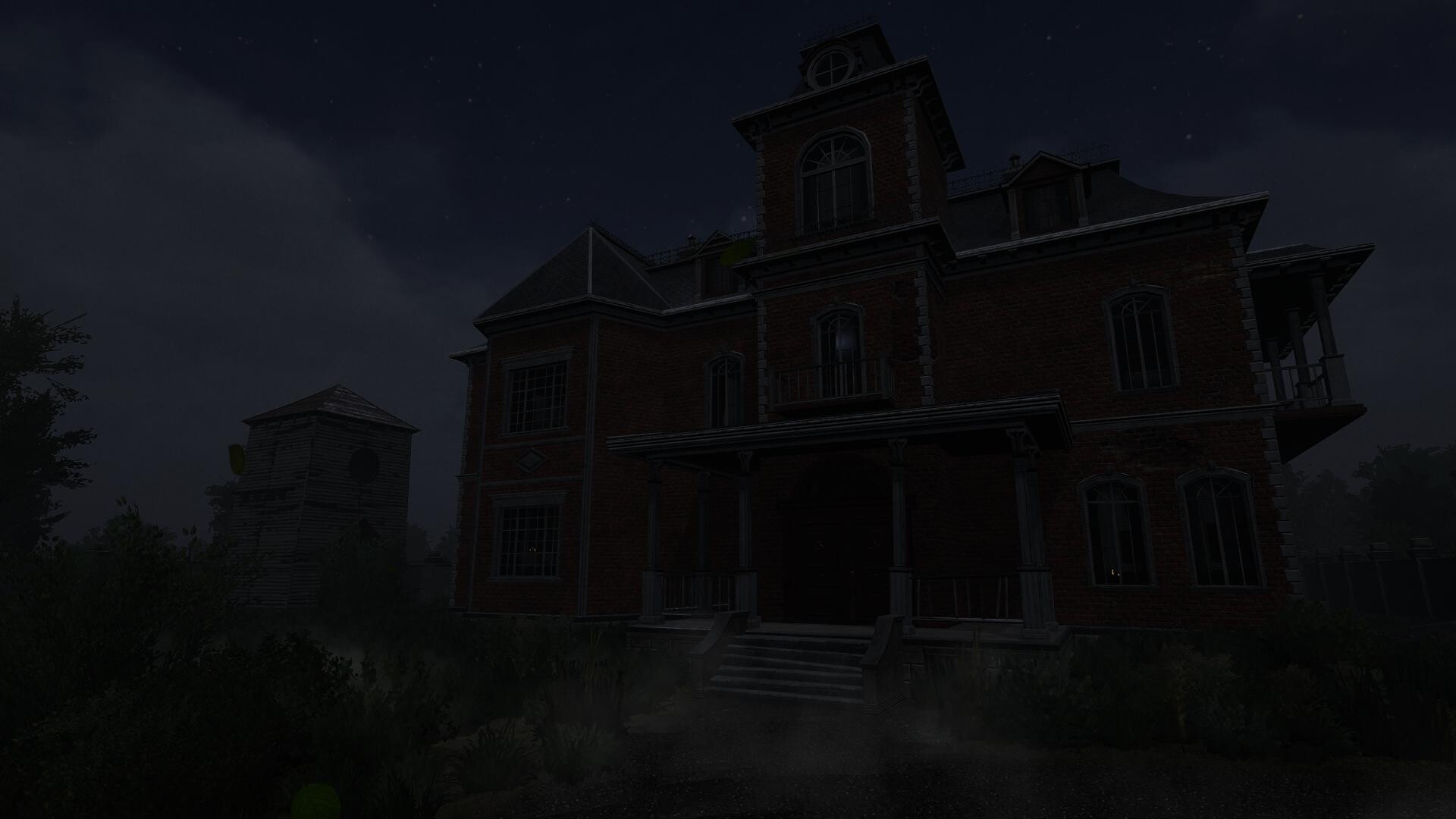
Trace of the Villa places you in Jin’s search for a missing sister inside a remote, decaying mansion where recovered manifests, encrypted fragments and suspicious transfer records suggest a larger conspiracy. Released on 28 May, 2026 by Steadyturtle Co., Ltd., the game leans on slow-burn investigation, environmental storytelling and clue-driven puzzle progression rather than high-octane action.

Quick facts
| Title | Trace of the Villa |
|---|---|
| Release date | 28 May, 2026 |
| Developer / Publisher | Steadyturtle Co., Ltd. |
| Genres | Action, Adventure, Indie |
| Steam categories | Single-player; Color Alternatives; Custom Volume Controls; Playable without Timed Input; Subtitle Options; Family Sharing |
| Steam page | Trace of the Villa on Steam |
| User reviews on Steam | No user reviews (as listed on the Steam public summary) |
5W1H: Who, What, When, Where, Why, How
Who it’s for
Players who favor atmospheric mystery adventure and clue-driven exploration — people who appreciate slow-burn suspense and environmental storytelling over twitch reflex gameplay. The game’s single-player focus and subtitle/options settings also make it suitable for players who want accessible pacing and a controlled experience.
What the game is
Trace of the Villa is an Action / Adventure indie on Steam where protagonist Jin investigates a remote, seemingly erased mansion after recovering manifests and hints that his missing sister may still be alive. The official description emphasizes restoring power, unlocking secured systems and recovering encrypted documents and suspicious records that reveal a concealed operation.
When and where
The game launched on Steam on 28 May, 2026. It’s presented as a PC/Steam release by Steadyturtle Co., Ltd.; the Steam page lists the game’s genres and accessibility categories referenced above.
Why the theme matters
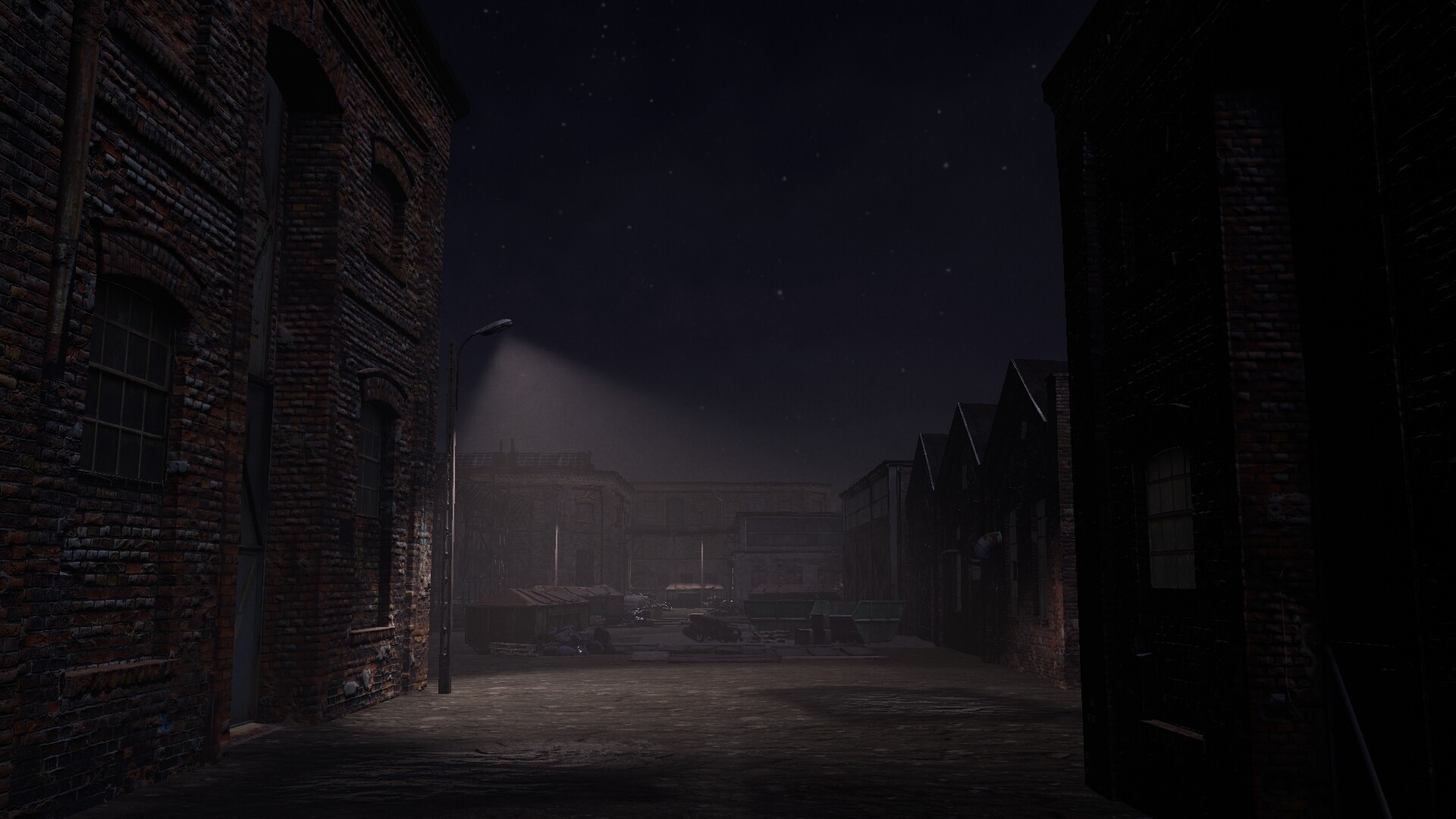
The focus on a decaying, deliberately forgotten estate — rooms left as if occupants vanished mid-routine, locked doors concealing secrets and falsified identities — signals a tone built around investigative dread and narrative patchwork. If you respond to mystery that unfolds through recovered documents, reactivated systems and pacing that lets each finding reshape your assumptions, that thematic approach is the reason this title may appeal to you.
How you read clues and progress
According to the official description, progress comes from restoring estate power, reactivating secured systems, opening hidden compartments and decrypting fragments of documents. The structure is clue-focused: solving environmental puzzles and recovering traces of past activity reveals financial trails, falsified identities and timelines that together steer the investigation forward.
Comparison: Where Trace of the Villa sits beside similar mystery/adventure titles
Below is an editorial comparison based on lawful discovery criteria — tone, pacing, puzzle/clue emphasis and exploration style — using official descriptions for each title. This is intended to help readers decide which experiences fit their tastes, not to rank the games.
| Title | Tone | Pacing | Clue / Puzzle focus | Exploration style |
|---|---|---|---|---|
| Trace of the Villa | Investigative, unsettling mansion mystery | Slow-burn, methodical (document recovery and system restoration drive reveals) | Environmental puzzles, decrypted documents, manifests and financial traces | Room-to-room mansion exploration with systems and hidden compartments |
| Amnesia: The Dark Descent | Immersive, survival-horror atmosphere (first-person) | Often intense and claustrophobic, built on sustained dread | Discovery and survival elements tied to immersion | First-person exploration with a focus on atmosphere and avoidance |
| SOMA | Sci-fi, existential and unsettling | Steady, narrative-driven with survival tension | Story and environment-driven clues that raise philosophical questions | Exploration of confined, story-rich environments (undersea setting) |
| Layers of Fear (2016) | Psychological horror, strongly atmospheric | Gradual, narrative and mood-driven pacing | Puzzle elements tied to storytelling and shifting environments | First-person mansion-style exploration with changing spaces |
| The Room | Mysterious, focused on tactile puzzle solving | Measured, puzzle-centric sessions | Mechanical and object-based puzzles (locked safe/boxes) | Limited, intimate locations focused on puzzle objects |
| Rusty Lake Hotel | Dark, eerie point-and-click puzzle tone | Compact, episodic pacing across puzzles | Point-and-click puzzles and strange narrative beats | Room-by-room point-and-click progression |
Player scenarios — which player should wishlist Trace of the Villa
- If you enjoy atmospheric mystery with document-based reveals: The official premise highlights manifests, encrypted fragments and falsified records, making this a good fit for players who like piecing together timelines from recovered evidence.
- If you prefer methodical pacing to non-stop action: The game’s description emphasizes restoring systems and unlocking hidden compartments, suggesting a deliberate investigative rhythm rather than fast combat loops.
- If you want exploration tied to narrative puzzle design: Rooms that feel “erased” and secured systems that come back online indicate a design where environmental interactions reveal plot threads.
- If you want accessibility options and a single-player experience: Steam categories include Subtitle Options, Playable without Timed Input and Custom Volume Controls, which can make the experience more approachable.
- If you prefer tightly focused object puzzles like The Room or point-and-click rhythms like Rusty Lake: Trace of the Villa appears to blend environmental puzzle elements with broader narrative reconstruction, so expect a different scale and investigative emphasis.
YouTube discovery
For trailers and gameplay searches, try the YouTube discovery link (search results may include trailers, developer videos and gameplay captures):
Leave a Reply