
Who should consider Trace of the Villa after enjoying atmospheric mystery adventures?
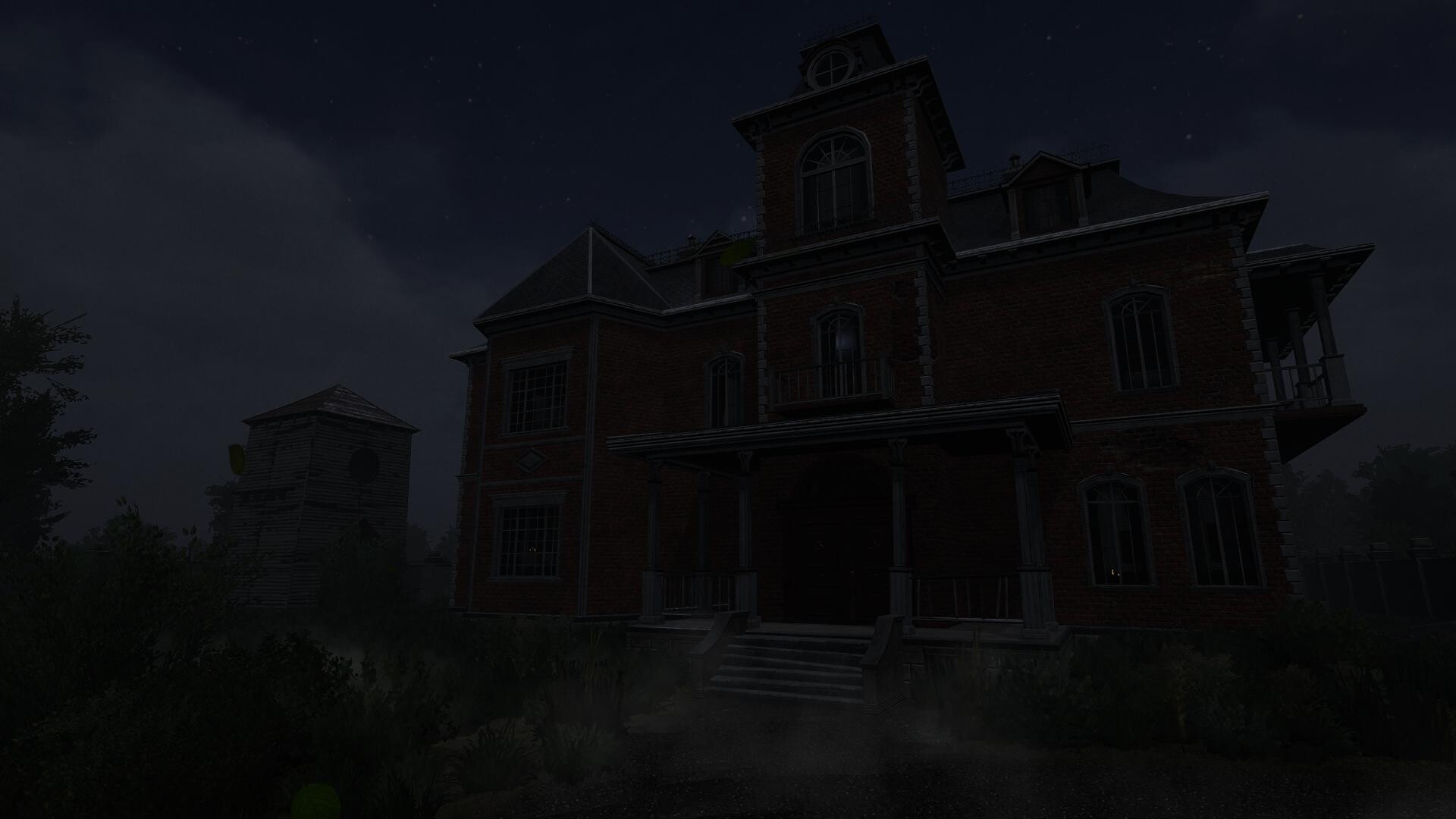
Trace of the Villa (Steadyturtle Co., Ltd., released 28 May, 2026) positions itself as a slow-burn, clue-driven investigation centered on Jin’s search for his missing sister inside a decaying, off-grid mansion. If you favor environmental storytelling, layered mysteries and narrative puzzle design over twitch action, this is a Steam release worth weighing against familiar mystery-adventure touchstones.

Quick facts
| Title | Trace of the Villa |
|---|---|
| Steam AppID | 3483660 |
| Release date | 28 May, 2026 |
| Developer / Publisher | Steadyturtle Co., Ltd. |
| Genres / Tags | Action, Adventure, Indie |
| Categories | Single-player; Color Alternatives; Custom Volume Controls; Playable without Timed Input; Subtitle Options; Family Sharing |
| Premise (official) | Jin has spent years searching for his missing sister, pursuing leads that took him to a remote, decaying mansion where he recovered manifests and hints that indicate his sister may still be alive, somewhere at the end of the trail he is about to follow. |
What Trace of the Villa is — and what it intentionally isn’t
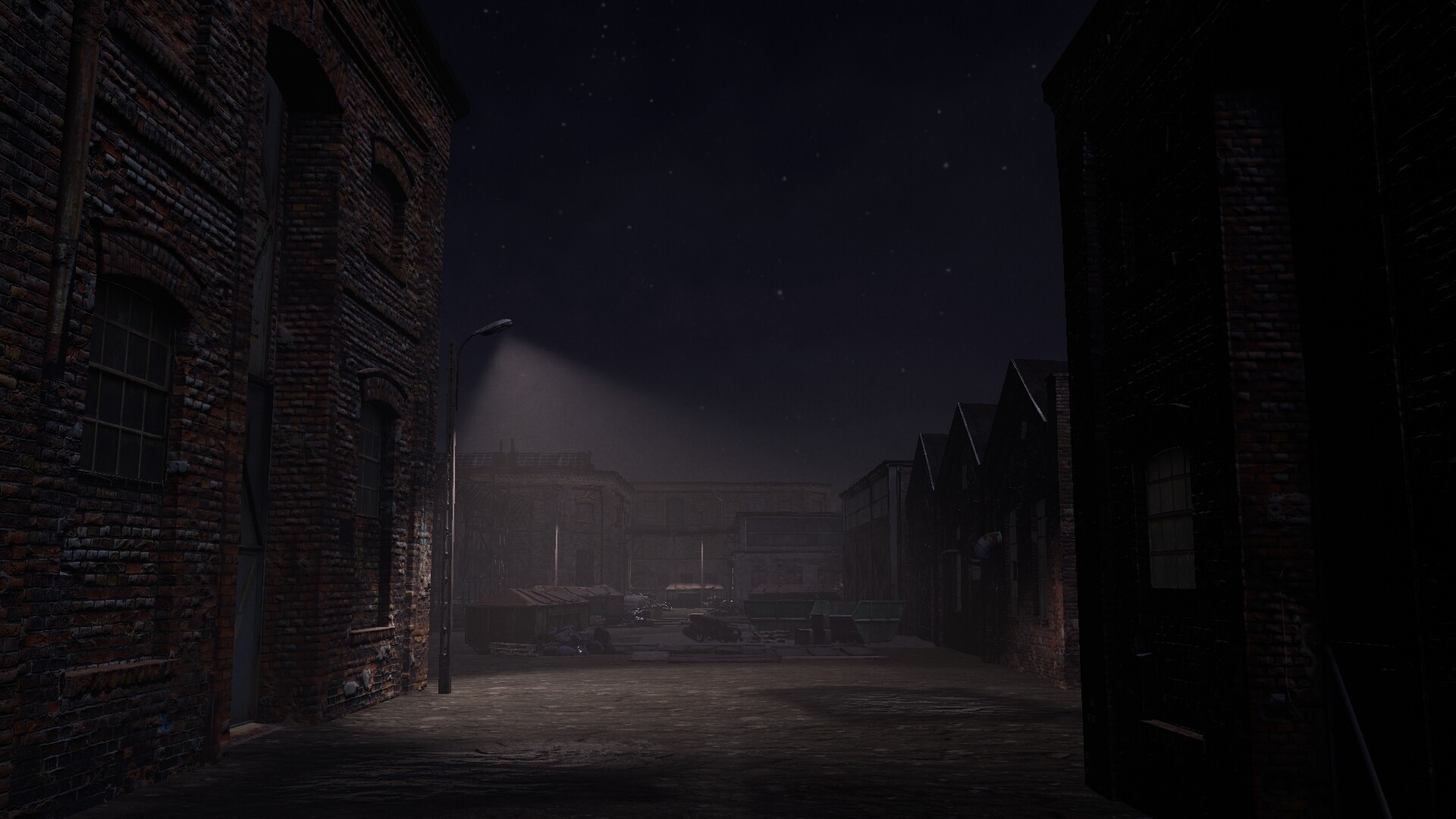
The official Steam description frames Trace of the Villa as a narrative investigation: Jin follows a lead to a deliberately forgotten mansion, restores power to sealed systems, and uncovers encrypted documents, falsified identities and financial trails that suggest a larger operation. The game’s Steam metadata lists it as Action / Adventure / Indie and highlights accessibility options like subtitle support, color alternatives and the ability to play without timed input.
That combination of environmental puzzle elements and an unfolding financial/identity mystery suggests the game aims for slow, reveal-driven tension rather than high-octane combat or arcade pacing.
When and where
Trace of the Villa is available on Steam (released 28 May, 2026). The store page lists typical PC accessibility options and single-player support suitable for a narrative puzzle/adventure audience.
Why the theme matters to mystery-adventure players
The mansion-as-repository-of-secrets is a familiar setting in atmospheric mystery adventures because it concentrates personal artifacts, architecture and technology into readable clues. Trace of the Villa’s official description emphasizes erased identities, falsified records and secured systems — elements that encourage players to read environmental details and piece together motives rather than rely on exposition alone. If you prize layered inference and gradual revelation, the theme supports that approach.
How progression and clue-reading are presented (official signals)
Steam copy explicitly mentions restoring power to the estate, secured systems coming back online, hidden compartments unlocking, safes yielding encrypted documents, and following financial trails and transfer records. Those phrases indicate design that rewards investigation, document interpretation and puzzle-solving tied to systems restoration — a clue-driven loop rather than reflex-based challenges. The presence of subtitle options and the “playable without timed input” category further signals a measured, contemplative pace.
Comparison: how Trace of the Villa lines up with similar mystery-adventure titles
Below is a focused, editorial comparison on tone, pacing, clue emphasis and exploration style with a few well-known atmospheric mystery or narrative-puzzle titles.
| Title | Genre / Release | Tone / Atmosphere | Pacing & Player Experience | Clue / Puzzle Focus | Exploration Style |
|---|---|---|---|---|---|
| Trace of the Villa | Action, Adventure, Indie — 28 May, 2026 | Decaying mansion, erased identities, investigative tension | Measured, reveal-driven; accessibility for non-timed play | Document forensics, secured systems, encrypted fragments | System-restoration and room-by-room decoding of past occupancy |
| Amnesia: The Dark Descent | Action, Adventure, Indie — 8 Sep, 2010 | Immersive, survival-horror chill | Relentless tension and emergent fear; survival elements | Environmental clues that build dread | First-person exploration with strong horror framing |
| SOMA | Action, Adventure, Indie — 21 Sep, 2015 | Sci‑fi existential dread, undersea isolation | Slow-burn narrative with survival and philosophical beats | Story clues embedded in logs and systems | Exploration of closed, atmospheric structures and machinery |
| Layers of Fear (2016) | Adventure, Indie — 15 Feb, 2016 | Psychological, Victorian mansion unease | Slow, hallucinatory pacing focused on mood | Puzzle and narrative fragments tied to the protagonist’s past | Room-to-room unraveling of a house that shifts around you |
| The Room | Adventure, Indie — 28 Jul, 2014 | Curiosity-driven, intimate mystery | Compact, tactile puzzle pacing | Mechanical puzzle boxes and object-focused solutions | Contained, object-centric exploration rather than large spaces |
| Rusty Lake Hotel | Adventure, Indie — 29 Jan, 2016 | Dark, quirky puzzle-mystery | Short, episodic pacing with a focus on puzzles | Point-and-click item and logic puzzles linked to narrative vignettes | Discrete rooms and scenarios with surreal elements |
Editorial note: Trace of the Villa shares mansion-based atmosphere and document-driven mystery with titles like Layers of Fear and SOMA, but its Steam metadata and description emphasize systems restoration and encrypted records as core investigative hooks — a different kind of clue loop than purely mechanical puzzle-box games such as The Room.
Who should wishlist Trace of the Villa — player scenarios
Scenario 1: You enjoyed slow-burn mansion mysteries
If you appreciated the focused, atmospheric tension of a story that unfolds by reading rooms and recovered systems rather than constant combat, Trace of the Villa’s premise of erased identities and locked infrastructure will likely appeal. The official description foregrounds restoration of estate systems and the unlocking of hidden compartments as progression triggers.
Scenario 2: You like investigative, document-forward puzzles
Players who favored games that require interpreting logs, transfer records and encrypted fragments to reconstruct events — rather than solving standalone mechanical puzzles — should consider this. The Steam page references manifests, encrypted documents and suspicious transfer records as narrative devices.
Scenario 3: You prefer measured pacing and accessibility options
The presence of subtitle options and the “playable without timed input” category makes Trace of the Villa suitable for players who want to consume story at their own tempo
Steam page
View Trace of the Villa on Steam
YouTube discovery
For trailer and gameplay discovery, use YouTube search rather than relying on unverified embeds: Find Trace of the Villa trailer and gameplay searches on YouTube.
Leave a Reply