
Who should consider Trace of the Villa after enjoying atmospheric mystery adventures
Trace of the Villa is a slow-burn, clue-driven mansion mystery that puts investigation and environmental storytelling front and center. If you favor atmospheric exploration that unfolds by restoring systems, opening locked compartments, and assembling narrative fragments, this new Steam release is aimed squarely at that taste.

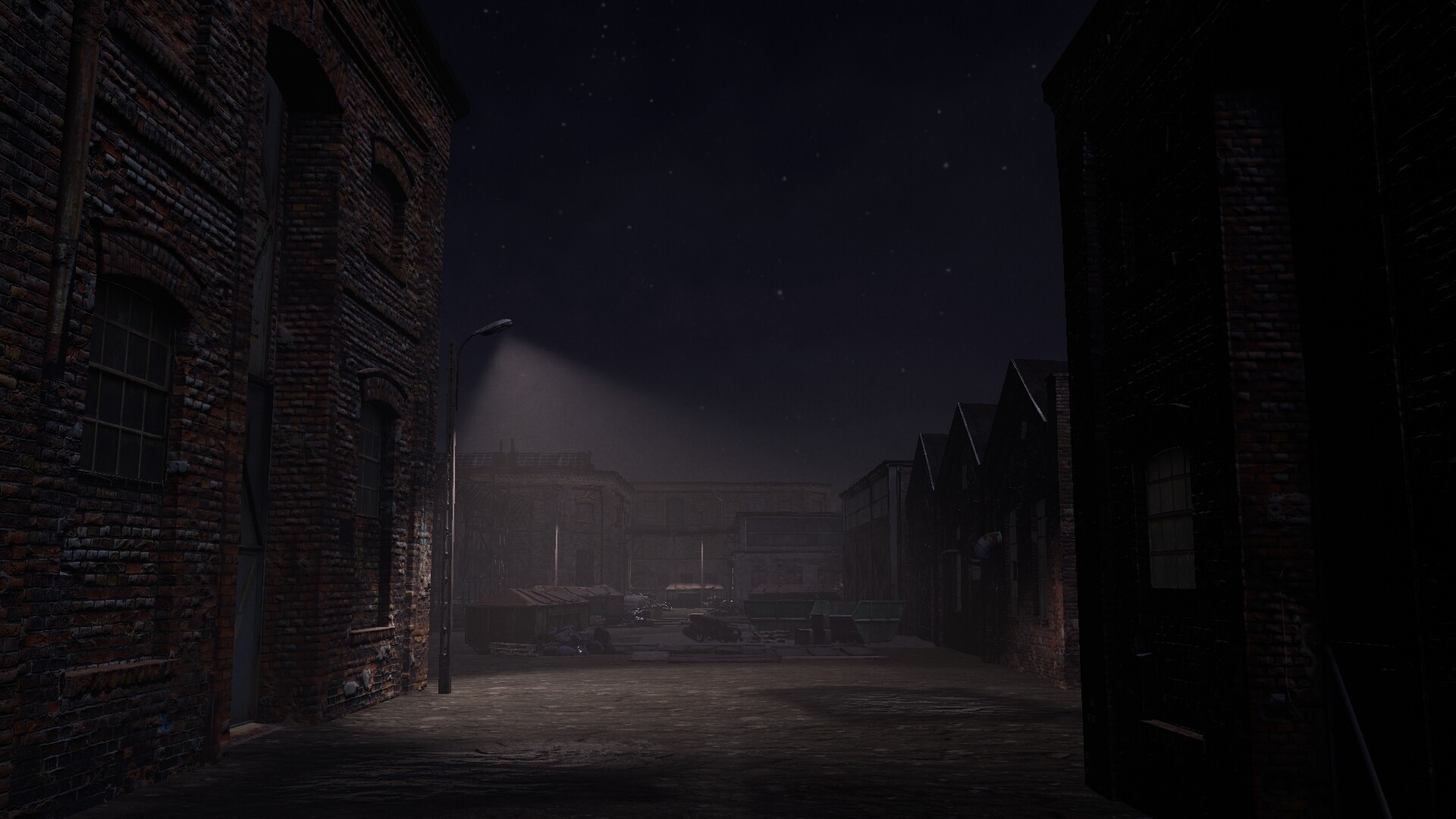
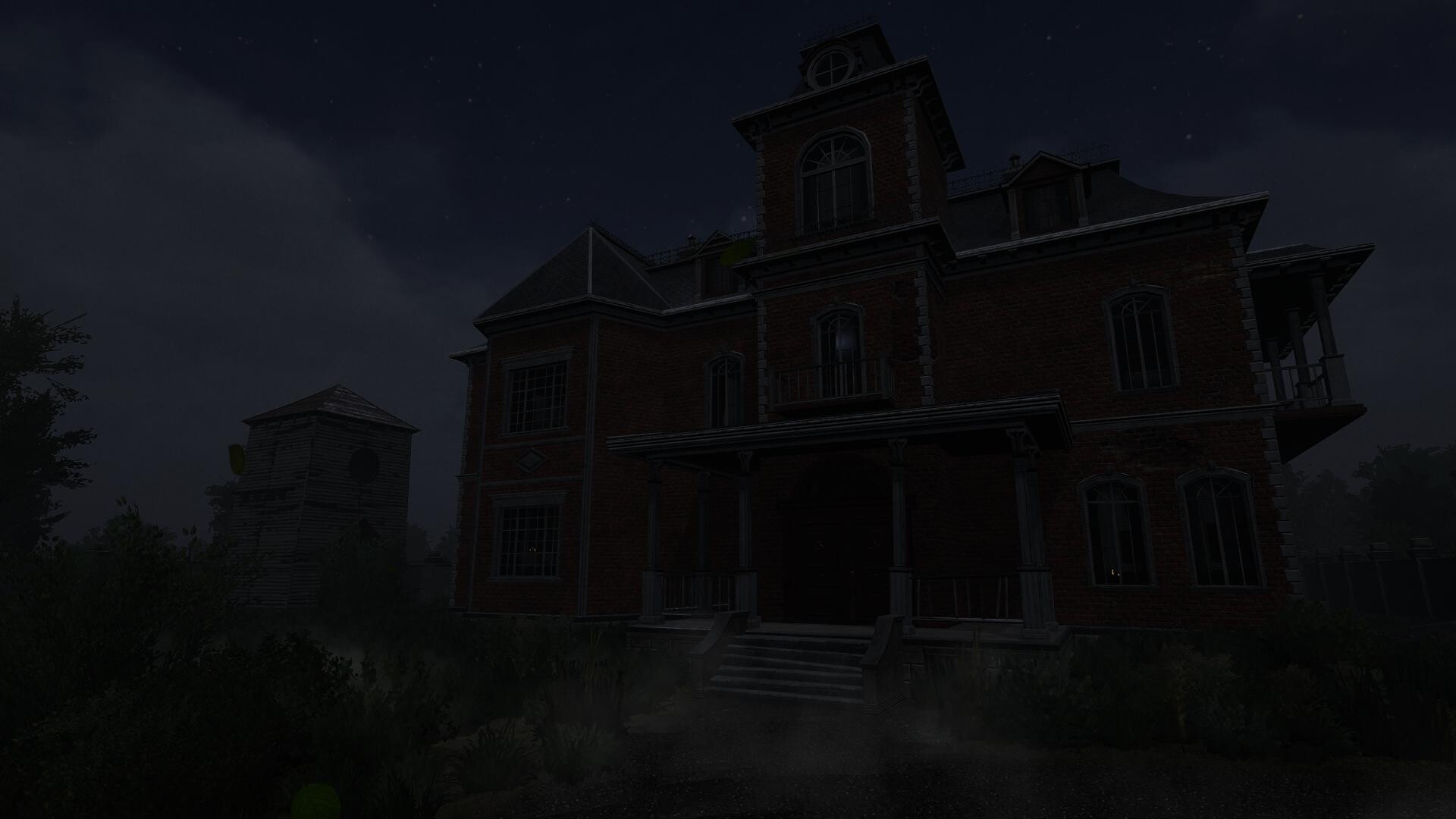
Quick facts
| Title | Trace of the Villa |
|---|---|
| Release date | 28 May, 2026 |
| Developer / Publisher | Steadyturtle Co., Ltd. |
| Steam appid | 3483660 |
| Genres | Action, Adventure, Indie |
| Categories | Single-player, Color Alternatives, Custom Volume Controls, Playable without Timed Input, Subtitle Options, Family Sharing |
| Platform | PC (Steam) |
5W1H for readers deciding if this fits their taste
Who is this for?
Players who prefer story-rich, atmospheric mystery adventures where the core reward is piecing together a narrative from environmental clues. If you enjoy methodical investigation—reading manifests, decrypting fragments, following financial threads—you’ll recognize the investigative cadence here.
What the game is
Officially described on Steam: “Jin has spent years searching for his missing sister… a remote, decaying mansion where he recovered manifests and hints that indicate his sister may still be alive, somewhere at the end of the trail he is about to follow.” The estate itself functions as the primary puzzle space: restoring power, unlocking secured systems, and revealing concealed documents drive progression.
When and where
Trace of the Villa launched on Steam on 28 May, 2026. It’s available on the game’s Steam store page and listed with Steam categories such as Single-player and subtitle options to support accessibility preferences.
Why the theme matters
The game frames a personal investigation inside a deliberately erased property: rooms kept as if people left suddenly, absent photographic traces, falsified identities and financial records that suggest controlled movement. That mix of domestic detail and institutional obfuscation shifts the focus from jump scares to investigative patience—appealing to players who want to feel like detectives reconstructing a timeline.
How progress and clues work
Progression emphasizes systems you bring back online and physical containers you force open. According to the Steam description, when Jin restores power, “secured systems come back online. Hidden compartments unlock. Safes yield fragments of encrypted documents and suspicious transfer records.” Each solved puzzle exposes another layer of the operation, so the game rewards careful observation and keeping notes of discovered fragments.
How Trace of the Villa compares to similar mystery/adventure titles
Below is a lawful editorial comparison focused on tone, pacing, clue and puzzle emphasis, and exploration style—intended to help readers match play preferences rather than declare one game superior.
| Title | Tone | Pacing | Clue / Puzzle Focus | Exploration Style | Player fit |
|---|---|---|---|---|---|
| Trace of the Villa | Unsettling, investigative, intimate mansion mystery | Slow-burn, methodical | Manifests, encrypted documents, safes and hidden compartments | Single large estate; restoring systems reveals new areas | Players who like environmental storytelling and clue-driven reconstruction |
| Amnesia: The Dark Descent | Horror-focused, oppressive immersion | Variable—intense spikes of dread | Puzzle elements exist but atmosphere and survival tension dominate | First-person, continuous exploration with stealth/survival constraints | Fans of immersive survival horror and dread-filled exploration |
| SOMA | Sci-fi philosophical horror | Paced narrative with periods of tension | Story and dialogue drive many revelations; puzzles are present but secondary | Linear, atmospheric environments (underwater facility) | Players drawn to narrative themes and existential questions within a tense setting |
| Layers of Fear (2016) | Psychological, surreal Victorian mansion | Variable; disorienting and shifting | Environmental puzzles blended with changing spaces to convey madness | Unreliable, shifting mansion that alters as you explore | Those who want psychologically unsettling atmosphere and painterly themes |
| The Room | Mysterious, puzzle-first | Measured—puzzle solves are the primary pacing mechanism | Mechanical and tactile puzzle boxes; focused, self-contained puzzles | Confined, tightly designed puzzle spaces | Players seeking dense, handcrafted puzzles with minimal exploration |
| Rusty Lake Hotel | Darkly whimsical, vignette-driven | Compact episodes—faster than sprawling mansion games | Puzzle-adventure point-and-click with occult and surreal themes | Discrete rooms and short scenarios rather than a single sprawling estate | Fans of short, surreal puzzle sequences and recurring series lore |
Player scenarios: who should wishlist Trace of the Villa
- You’re into environmental storytelling and prefer uncovering plot through objects and logs rather than cutscenes.
- You enjoyed mansion-centered investigations in other titles and want a game that ties puzzles to system restoration and document analysis.
- You like slower, investigative pacing—time spent reading manifests and assembling timelines feels rewarding to you.
- You prefer single-player, accessibility-aware PC releases (subtitles, custom volume, color alternatives) that don’t rely on timed input mechanics.
- You prefer limited action thrills in favor of narrative puzzle design and clue interpretation.
YouTube / Trailer discovery
Search for trailers and gameplay videos using this discovery link (useful to find community uploads and official trailers): YouTube search: Trace of the Villa trailer gameplay. Do not assume every video found is an official publisher trailer unless the upload is verified.
Where to go on Steam
If the above fits your interests, visit the game’s Steam page and consider wishlisting: Trace of the Villa on Steam
Disclaimer
Referenced titles and trademarks belong to their respective owners. Comparisons above are editorial discovery only, based on publicly available Steam descriptions and curated reference notes.
Leave a Reply