
Trace of the Villa — a clue-first mansion mystery for players who prefer puzzles over gunplay
Trace of the Villa places you in Jin’s shoes as he follows fractured leads into a decaying, off-the-grid mansion—recovering manifests, encrypted fragments, and signs that his missing sister may still be alive. Released on 28 May, 2026 by Steadyturtle Co., Ltd., the Steam listing frames the experience as an investigation that unfolds by restoring systems, opening hidden compartments, and reading the house like evidence.

Quick facts
| Title | Trace of the Villa |
|---|---|
| Developer / Publisher | Steadyturtle Co., Ltd. |
| Release date | 28 May, 2026 |
| Genres | Action, Adventure, Indie |
| Key Steam categories | Single-player; Color Alternatives; Custom Volume Controls; Playable without Timed Input; Subtitle Options; Family Sharing |
| Steam page | View Trace of the Villa on Steam |
| AppID | 3483660 |
Who this is for
If you prize reading clues, reconstructing timelines from found documents, and solving logic puzzles rooted in objects and environment, Trace of the Villa is aimed at you. The Steam description centers on Jin’s methodical work—restoring power, revealing locked systems, and extracting fragments of encrypted records—so players who enjoy slow-burn, story-rich investigation over twitch reflexes will be best served. The inclusion of accessibility-oriented categories (subtitles, playable without timed input, color alternatives) also makes it a solid choice for players who need a non-kinetic puzzle pace.
What the game actually is
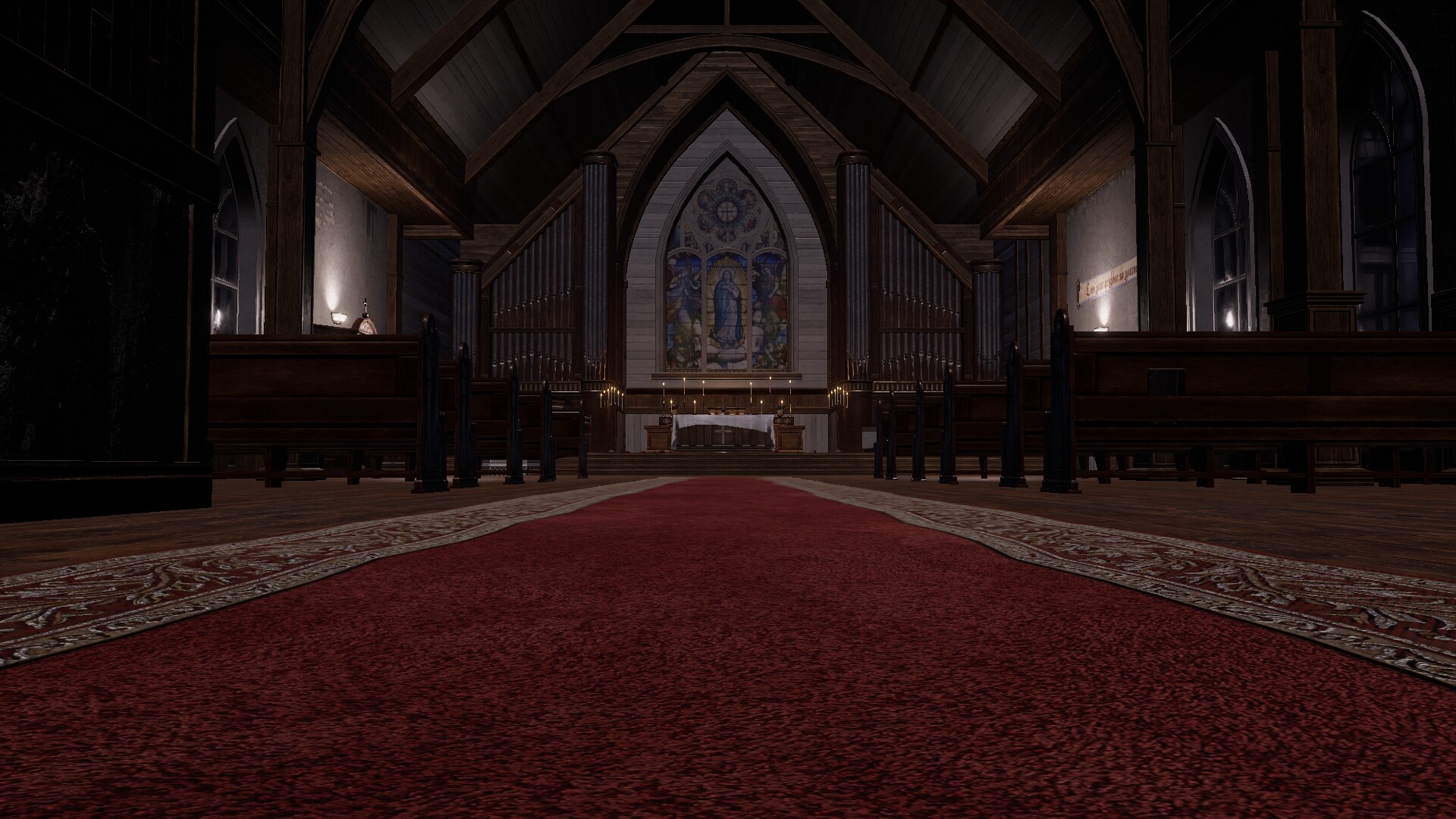
Trace of the Villa casts Jin as a private investigator of a family tragedy: every lead about his sister has failed until a decaying mansion surfaces in his search. The house is described as deliberately forgotten, furnished as if occupants vanished mid-routine, and scrubbed of names or photographs—a space that suggests identities were erased. Gameplay, per Steam’s official text, revolves around recovering manifests and hints, restoring the mansion’s systems, opening hidden compartments and safes, and piecing together encrypted documents and suspicious transfer records. The narrative emphasis is investigative: financial trails, falsified identities, and arrivals and departures masked in the timeline.

When and where
Trace of the Villa launched on Steam on 28 May, 2026. It’s presented as a single-player PC experience on Steam with Steam listing features such as subtitle options and family sharing noted in the store metadata.
Why the theme matters: erased identities and the evidence-forward mystery
Games that center on clue-reading make story discovery itself the reward. Here, the mansion’s silence—rooms arranged as if abandoned, the deliberate removal of names and photographs—creates an investigative tension: every object is potential testimony. That design choice pushes players to treat manifests, encrypted fragments, and suspicious transfer records as primary narrative devices rather than flavor text. For players who value environmental storytelling and a psychological investigation tone, that makes Trace of the Villa a story-first puzzle adventure rather than a conventional action thriller.
How you progress: clue reading, object logic, and story puzzles
- Clue reading: The Steam description repeatedly references manifests, hints, and encrypted documents. Expect to read and cross-check in-game documents to unlock narrative beats and access logic puzzles.
- Object logic: Hidden compartments, safes, and restored systems are explicit in the official text—puzzles will lean on manipulating and understanding objects and devices within the mansion’s systems.
- Story puzzles: Rather than isolated mechanical riddles, the puzzles are positioned as layers of a larger operation—financial trails, falsified identities, and arrivals without records—so solving them advances both plot and character motivation.
Player scenarios — which types of players should wishlist it?
- Scenario A — The document sleuth: You enjoy connecting fragments of text and ledger entries to reconstruct a timeline. The restored-power mechanics and recovered manifests will reward careful note-taking and cross-referencing.
- Scenario B — The object-logician: You prefer puzzles that evolve from environmental clues—safes, locked compartments, and systems that come back online. You want puzzles that feel like unlocking layers of a house’s history.
- Scenario C — The slow-burn narrative fan: You favor atmosphere and mood over combat tempo. The mansion’s “erased” identities and the personal stakes framed around Jin’s sister suit a player who wants tension to build through discovery.
- Scenario D — The action-first player: If you seek fast-paced combat or action-heavy pacing, the Steam text emphasizes investigation and puzzle solving—this isn’t primarily an action-focused ride.
How Trace of the Villa compares (editorial discovery)
| Title | Genre / Tone | Puzzle focus | Exploration style | Pacing | Player fit |
|---|---|---|---|---|---|
| Trace of the Villa | Action / Adventure / Indie — atmospheric mansion mystery | Clue-reading, object logic, story-linked puzzles (manifests, encrypted fragments) | Investigative exploration of a single estate; systems restoration and hidden compartments | Slow-burn, discovery-led | Players who prioritize narrative puzzle design and environmental storytelling |
| The Room | Adventure / Indie — tactile puzzle-box atmosphere | Mechanical puzzle boxes and tactile object manipulation | Focused, puzzle-room style with intimate spaces | Measured, puzzle-centric | Players who like intimate, tactile object puzzles with strong atmosphere |
| The Room Two | Adventure / Indie — cryptic, atmospheric continuation | Expanded tactile puzzles with layered devices | Series of set-piece rooms and environments | Methodical, steadily unfolding | Fans of multi-stage mechanical puzzles and suspenseful pacing |
| Escape Simulator | Adventure / Casual / Indie — interactive escape rooms | Highly interactive environmental puzzles, item combination | Room-to-room escape scenarios; physics and interaction heavy | Variable: can be fast or slow depending on room design | Players who enjoy hands-on interaction and co-op or solo puzzle solutions |
| Unpacking | Casual / Indie — zen, narrative-through-objects | Non-traditional puzzle (spatial/placement) with storytelling via possessions | Domestic, scene-by-scene object placement | Gentle, reflective | Players who prefer narrative clues embedded in everyday objects and pacing |
YouTube discovery
If you want to see trailers or gameplay clips before deciding, use this YouTube search path (search results may include official and community videos):
YouTube discovery
For trailer and gameplay discovery, use YouTube search rather than relying on unverified embeds: Find Trace of the Villa trailer and gameplay searches on YouTube.
Leave a Reply