
Trace of the Villa — a clue-driven mansion mystery for patient puzzle players
Trace of the Villa frames its experience around reading documents, restoring systems, and piecing together a personal timeline rather than twitch reflexes or combat. Released on Steam on 28 May, 2026, the game positions investigation and environmental storytelling at the center of its pacing.

Quick facts
| Title | Trace of the Villa |
|---|---|
| Steam AppID | 3483660 |
| Release date | 28 May, 2026 |
| Developer / Publisher | Steadyturtle Co., Ltd. |
| Genres | Action, Adventure, Indie |
| Categories | Single-player; Color Alternatives; Custom Volume Controls; Playable without Timed Input; Subtitle Options; Family Sharing |
| Short premise | Jin follows leads to a remote, decaying mansion where manifests and hints suggest his missing sister might still be alive. |
Who should consider wishlisting Trace of the Villa?
If you prefer methodical, narrative-first investigations — reading manifests, restoring power to locked systems, and letting a mystery reveal itself piece by piece — Trace of the Villa is pitched at you. The Steam page and official description make clear this is a single-player, story-oriented experience where puzzles unlock new fragments of a larger conspiracy rather than provide burst-action set pieces.
What the game actually is
Trace of the Villa follows Jin, who has spent years searching for his missing sister. A tip brings him to a cut-off, decaying mansion; the estate appears “erased” of ordinary identity markers. As Jin restores power and access, the house yields hidden compartments, safes, encrypted documents and suspicious transfer records. Those discoveries form the puzzle beats: clues in objects, manifests and systems that combine into a timeline and a broader pattern of arrivals and departures.
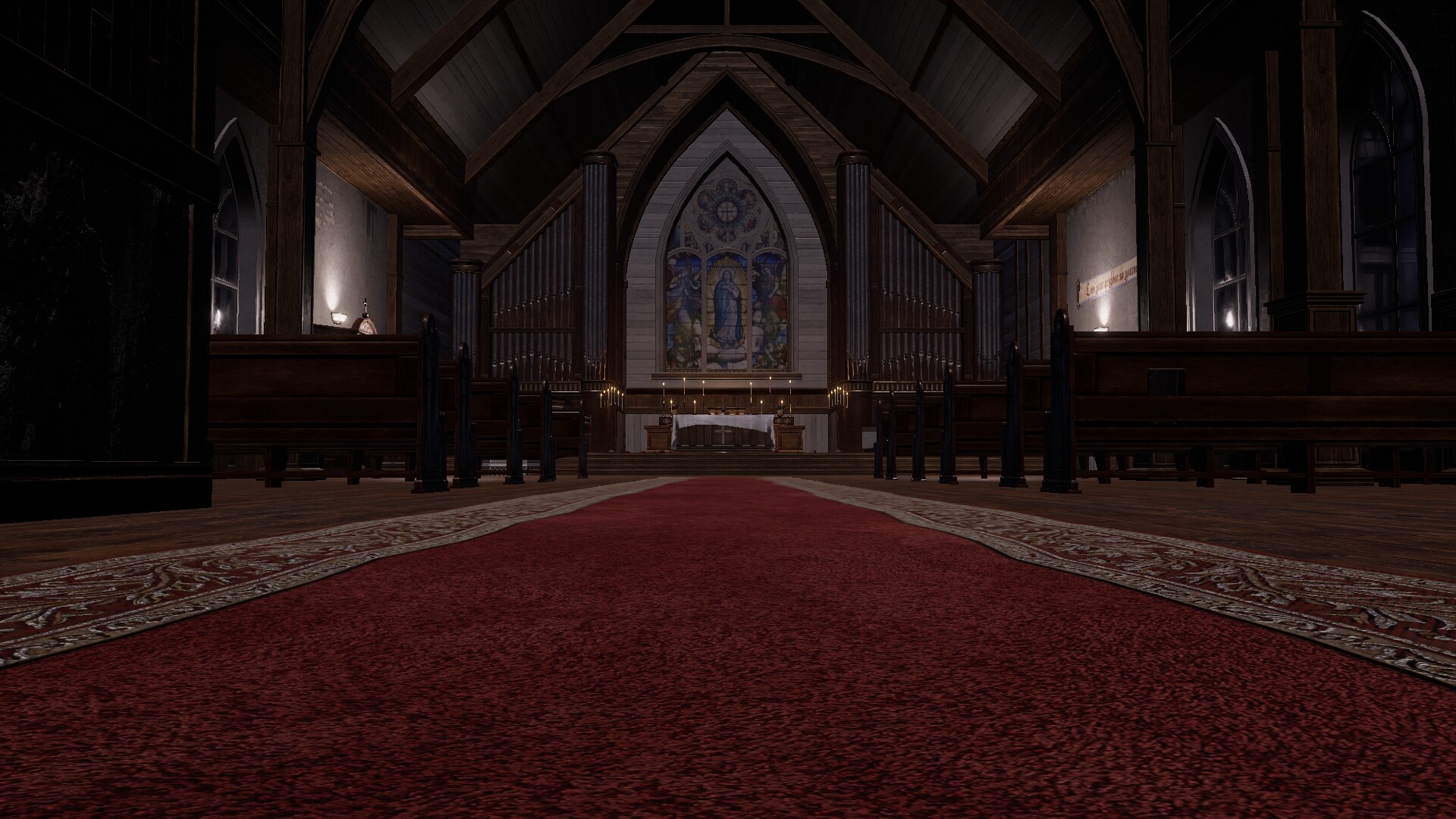
When and where — Steam details
Trace of the Villa launched on Steam on 28 May, 2026. It is listed under Action / Adventure / Indie and comes with accessibility options such as color alternatives, custom volume controls, subtitle options and support for play without timed input — features that suit deliberate puzzle play on PC.
Why the clue-driven approach matters
Clue-driven design changes player expectations: progress comes from synthesis rather than reaction. In Trace of the Villa that synthesis happens across document fragments, restored systems and environmental cues. That design emphasizes tension that accumulates as you assemble a timeline and interpret motives, creating a slow-burn suspense that rewards note-taking, observation and returning to earlier areas with new context.
How you read clues and progress
- Recover manifests and hints: text artifacts are a primary information source; they suggest where to look next and how to interpret evidence.
- Restore estate systems: powering up the mansion reactivates secured systems, unlocking compartments or safes that yield further puzzle elements.
- Piece together fragments: encrypted documents and transfer records are narrative puzzles — you assemble disparate details into a pattern that advances both story and access.
- Object logic over reflexes: categories and store copy emphasize single-player, non-timed accessibility, encouraging careful interaction rather than timed sequences.

Player scenarios — specific ways you might play
- Evening investigator: You have a few hours and prefer to soak in atmosphere, read notes and follow a slow narrative thread rather than fast action. Trace of the Villa’s non-timed design fits this pace.
- Document analyst: You enjoy assembling timelines from fragments, cross-referencing manifests and encrypted records to reveal hidden networks and motives.
- Exploration minimalist: You like focused, single-player mystery with accessibility options (subtitles, color alternatives) and minimal pressure from timers or combat.
- Comparative puzzle player: You want a mansion mystery that leans on story and systems rather than physics-driven object manipulation or zen block-fitting puzzles.
Comparison: how Trace of the Villa lines up with other puzzle-adjacent PC titles
| Title | Genre/Feel | Puzzle focus | Atmosphere & pacing | Player fit |
|---|---|---|---|---|
| Trace of the Villa | Action / Adventure / Indie — mansion mystery | Clue-driven object logic, manifests, encrypted documents, system restoration | Slow-burn, investigative, story-led suspense | Players who prefer narrative puzzle design and careful reading over reflexes |
| The Room | Adventure / Indie — focused mechanical puzzles | Tactile, contained device puzzles with layered mechanisms | Measured, single-location tension with puzzle-centric progression | Players who enjoy intricate mechanical puzzles in a confined mystery setting |
| Escape Simulator | Adventure / Casual / Indie — interactive escape rooms | Highly interactive object manipulation, physics, room-based escape puzzles | Often faster-paced, puzzle-room rhythm; supports co-op and community rooms | Players who like hands-on object interaction and puzzle variety; co-op friendly |
| Unpacking | Casual / Indie / Simulation — zen object-fitting | Spatial placement and environmental storytelling via possessions | Calm, reflective pacing focused on life-story clues rather than danger | Players who prefer quiet, domestic storytelling through objects and placement |
Steam trailer
Steam page
View Trace of the Villa on Steam
YouTube discovery
For trailer and gameplay discovery, use YouTube search rather than relying on unverified embeds: Find Trace of the Villa trailer and gameplay searches on YouTube.
Leave a Reply