
Trace of the Villa: a clue-driven mansion mystery that rewards slow, careful reading
Trace of the Villa (Steadyturtle Co., Ltd.) drops you into a decaying mansion where restoring power, unlocking safes and following financial manifests form the core of the investigation. Released on 28 May, 2026 for Steam, the game leans on environmental storytelling and layered puzzles rather than action-heavy pacing.

Who this is for
This is for players who favor atmospheric mystery adventure and story-rich exploration over twitch reflexes: folks who enjoy methodical clue reading, object logic and puzzles that unfold narrative detail. If you prefer slow-burn suspense, environmental storytelling, and piecing together what happened from documents, locked compartments and restored systems, Trace of the Villa is aimed at you.
What the game is
Trace of the Villa casts you as Jin, who has spent years searching for his missing sister and follows a lead to a remote, deliberately forgotten mansion. According to the official Steam description, Jin recovers manifests and hints suggesting his sister may still be alive and that the estate hides a carefully concealed operation. In-game systems—power, safes and secured compartments—come back online as you solve puzzles, yielding encrypted documents, suspicious transfer records and fragments of a deeper timeline. The Steam page classifies the game under Action, Adventure and Indie and lists single-player and a range of accessibility categories such as Playable without Timed Input and Subtitle Options.
When and where
Trace of the Villa launched on 28 May, 2026 and is available on Steam. The Steam store page and widget can be used to wishlist or purchase the title.
Why the theme matters
The game’s central conceit—arrivals without records, departures without witnesses, identities seemingly erased—turns puzzle design into investigative work. Rather than staging set-pieces, the mansion’s details are the evidence: a missing photograph here, a ledger entry there, a safe that only yields a fragment when you patch power to the estate. That restraint makes each solved lock and recovered file feel meaningful to the story, and encourages players to read clues as if compiling a case file.
How you progress: clue reading, object logic, and story puzzles
Progression is built around restoring functionality and interpreting the artifacts you find. The official description notes that when Jin restores power, secured systems come back online, hidden compartments unlock and safes yield fragments of encrypted documents and suspicious transfer records. Those moments are the beats where gameplay and storytelling meet—puzzles are not just mechanical gates but units of narrative information that reframe previous clues and point the player toward the next lead. Categories like Playable without Timed Input and Subtitle Options also shape how the experience is paced: the design invites examination and re-checking clues rather than forcing hurried play.
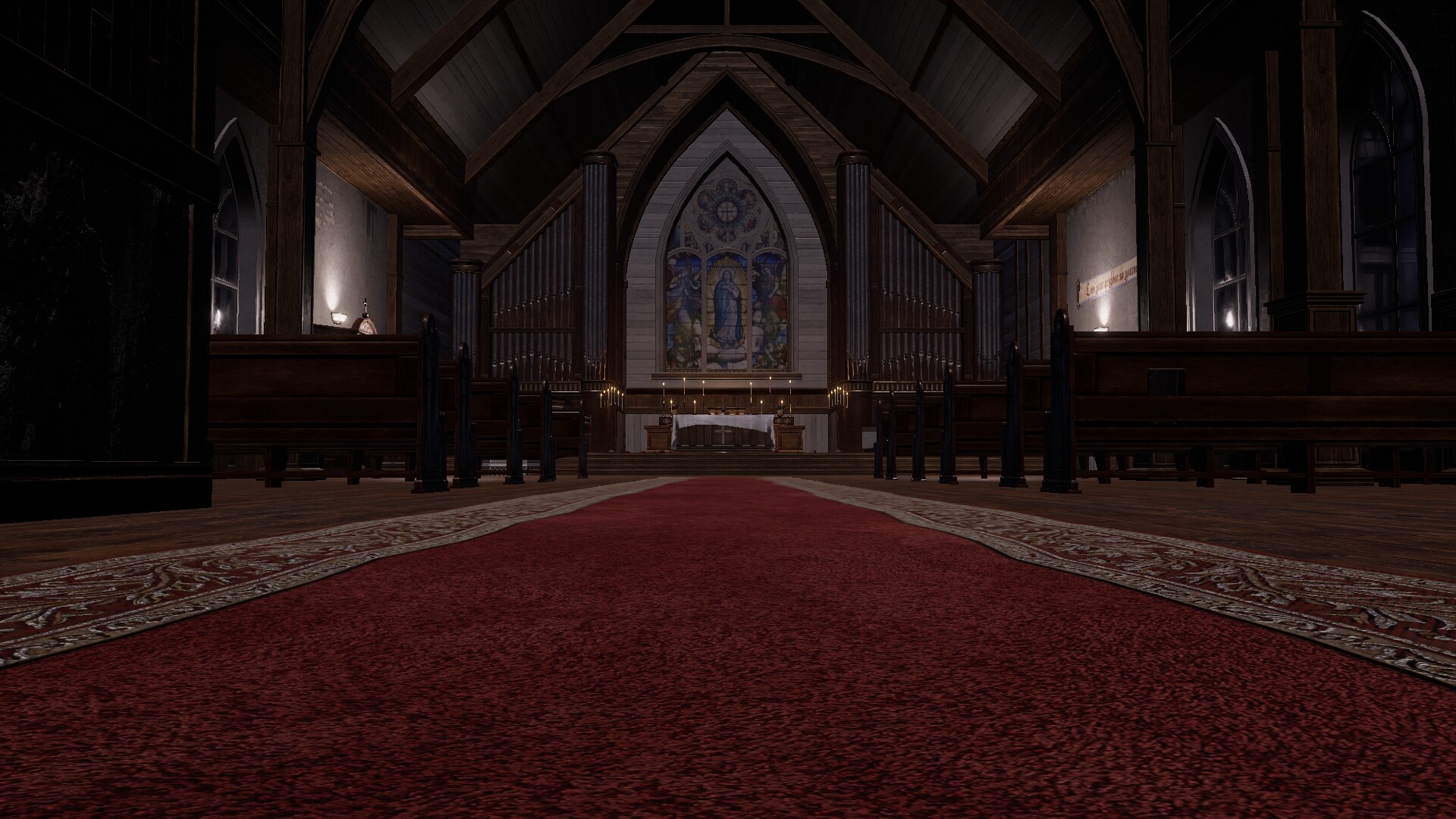

Compact facts: Trace of the Villa
| Title | Trace of the Villa |
|---|---|
| Steam AppID | 3483660 |
| Release date | 28 May, 2026 |
| Developer / Publisher | Steadyturtle Co., Ltd. |
| Genres | Action, Adventure, Indie |
| Notable categories | Single-player; Color Alternatives; Custom Volume Controls; Playable without Timed Input; Subtitle Options; Family Sharing |
| Short premise (official) | Jin searches a remote, decaying mansion where manifests and hints indicate his missing sister may still be alive. |
How Trace of the Villa compares to nearby puzzle/adventure experiences
Below is a compact editorial comparison using lawful criteria: genre, atmosphere, puzzle focus, exploration style and pacing.
| Title | Puzzle focus | Exploration style | Pacing | Story tone | Player fit |
|---|---|---|---|---|---|
| Trace of the Villa | Clue-driven puzzles that restore systems and unlock narrative fragments (safes, encrypted docs) | Single-player, mansion exploration built around reactivating systems and reading manifests | Slow-burn, investigative (accessible via Playable without Timed Input) | Atmospheric, psychological investigation of missing persons and erased identities | Players who want story-rich environmental puzzles and methodical investigation |
| The Room | Intricate tactile puzzle boxes and mechanical contraptions | Focused, room-based progression centered on a single mysterious space | Measured, puzzle-by-puzzle reveals | Mysterious, intimate curiosity-driven tone | Players who like close-up object puzzles and mechanical problem-solving |
| Escape Simulator | Highly interactive escape-room puzzles; objects, physics and combinatorial solutions | Modular rooms with a focus on interactivity and multiple solutions; supports solo and co-op | Variable—can be brisk in rooms designed for speed or relaxed in exploration rooms | Playful, puzzle-centric rather than investigatory narrative | Players who enjoy hands-on interaction, modding community rooms or co-op puzzle sessions |
| Unpacking | Puzzle as narrative—object placement reveals life and context rather than explicit locks | Domestic, scene-by-scene examination of possessions and routines | Zen, deliberate and non-competitive
Steam pageView Trace of the Villa on Steam YouTube discoveryFor trailer and gameplay discovery, use YouTube search rather than relying on unverified embeds: Find Trace of the Villa trailer and gameplay searches on YouTube. CommentsMore posts |
Leave a Reply