Trace of the Villa: a clue-driven mansion mystery for methodical players
Trace of the Villa (Steadyturtle Co., Ltd.) leans into slow-burn, clue-led investigation rather than action-heavy pacing: you play as Jin, a searcher following fragments recovered from a decaying mansion that hint his missing sister may still be alive. The game foregrounds environmental storytelling, object logic, and layered story puzzles that reveal more of the operation hidden inside the house as you restore systems and unlock sealed compartments.

| Title | Trace of the Villa |
|---|---|
| Developer / Publisher | Steadyturtle Co., Ltd. |
| Release date | 28 May, 2026 |
| Steam appid | 3483660 |
| Genres | Action, Adventure, Indie |
| Notable categories | Single-player; Playable without Timed Input; Subtitle Options; Color Alternatives; Custom Volume Controls; Family Sharing |
| Official premise | Jin follows leads to a remote, decaying mansion where manifests and hints suggest his missing sister may still be alive. |
Who this is for
If you prefer puzzle-adventure pacing and careful clue-reading to constant combat or twitch gameplay, Trace of the Villa is aimed at methodical players and fans of atmospheric mystery adventure. The Steam listing frames the experience around investigation and reconstruction of events: players who enjoy environmental storytelling, decrypting fragments of a hidden operation, and narrative puzzle design should find this aligned with their tastes.
What the game is
Trace of the Villa places Jin in a deliberately forgotten estate where rooms appear “erased” rather than simply abandoned. The official description emphasizes recovered manifests, encrypted documents, falsified identities, and financial trails uncovered behind locked doors and secured systems. The structure implied on the Steam page is puzzle-led: restoring power and reactivating systems is a gameplay beat that reveals new clues and locked content.
When and where
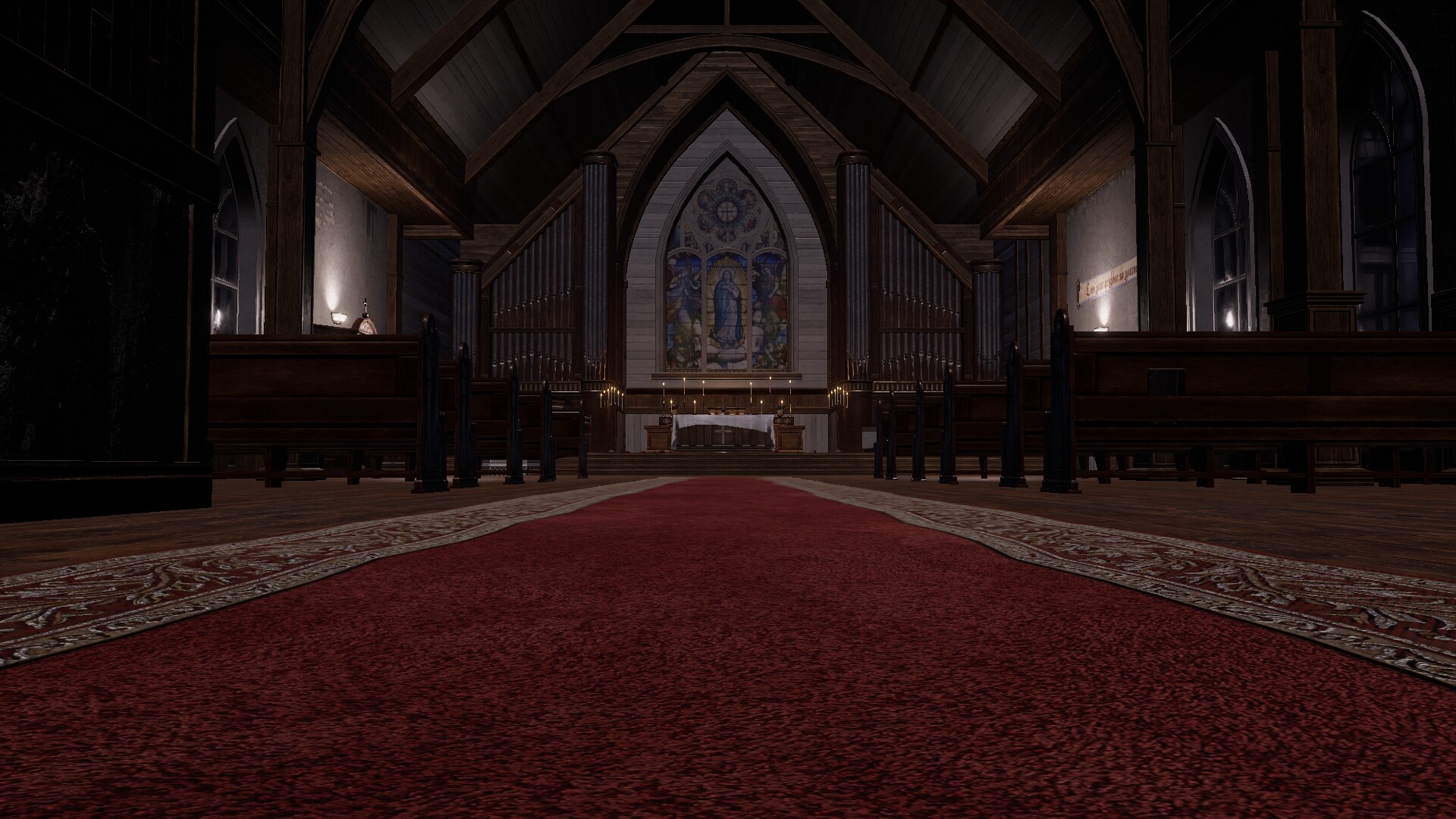
Trace of the Villa released on Steam on 28 May, 2026. It’s presented as a PC Steam title with the usual Steam storefront assets and categories; the store page includes screenshots and header art linked above.
Why the theme matters
The mansion setting and the idea of identities being removed shift the game toward psychological investigation and slow-burn suspense rather than jump-scare horror or action spectacle. Story puzzles here do double duty: they gate progress and also layer narrative detail, so the act of solving is how the house—and the larger operation it hid—becomes legible. That design choice will appeal to players who prize inference and deduction over spectacle.
How you read clues and progress
The Steam description makes the mechanics of discovery explicit in tone if not in UI detail: when Jin restores power, “secured systems come back online; hidden compartments unlock; safes yield fragments of encrypted documents and suspicious transfer records.” That sequence suggests a progression loop centered on object logic (how objects relate and combine), document fragments that form a trail, and environmental beats that change the mansion state as you advance. Expect puzzles that connect physical investigation—searching rooms, interacting with systems—to narrative revelations unlocked by those interactions.

Player scenarios — who should wishlist (and who should be cautious)
- Wishlist if: you enjoy atmospheric mystery adventure with environmental storytelling and puzzle sequences that reveal narrative layers; you like slow-burn suspense and reading documents, manifests, and encrypted fragments to assemble context.
- Consider waiting if: you prefer fast-paced action, multiplayer or competitive elements, or games built around physics-driven emergent puzzles rather than narrative clue-chaining.
- Playstyle notes: the Steam page highlights accessibility categories like Playable without Timed Input and Subtitle Options — useful for players who prefer unhurried puzzle solving and clear reading of story fragments.
How it compares to nearby mystery/puzzle titles
Below is a compact editorial comparison focused on puzzle focus, atmosphere, exploration style, story tone, and pacing. These are descriptive distinctions based on each title’s public store listing and recognised design approach.
| Title | Puzzle focus | Atmosphere / Tone | Exploration style | Pacing |
|---|---|---|---|---|
| Trace of the Villa | Clue-driven object logic, document fragments, restoring systems to unlock new content | Mansion mystery, psychological investigation, erased identities | Single-player exploration of a decaying estate, puzzle beats open narrative layers | Slow-burn, methodical |
| The Room | Mechanical puzzle boxes and tactile object puzzles | Mysterious, intimate, singular room-based dread | Focused, contained puzzle chambers (room-by-room) | Measured, puzzle-centric |
| The Room Two | Expanded mechanical puzzles across multiple settings | Cryptic, atmospheric adventure across varied locales | Sequential puzzle environments with a continuous thread | Steady puzzle progression |
| Escape Simulator | Highly interactive escape-room mechanics and physics interactions | Playful to tense depending on room | Room-scale, interactive objects and community-made puzzles (co-op options) | Often faster, hands-on |
| Unpacking | Object-placement and contextual inference as puzzle | Zen, intimate, domestic storytelling | Linear vignette-style rooms revealing a life through possessions | Gentle, contemplative |
Use this table to match your preferred puzzle rhythm: Trace of the Villa sits closer to narrative puzzle adventures that reward attention to documents and environmental change rather than physics-first puzzle rooms.
YouTube discovery
If you want to see trailers or gameplay clips, search on YouTube: Trace of the Villa trailer & gameplay search on YouTube. The store’s trailer and community videos can help confirm whether the pacing and puzzle types match your preferences.
View Trace of the Villa on Steam
Disclaimer: Referenced titles and trademarks belong to their respective owners; comparisons here are editorial discovery only and not endorsements or claims of official association.