
Trace of the Villa — a slow-burn, clue-first mansion mystery for puzzle-focused players
Trace of the Villa puts investigation and environmental puzzles at the center of its tension: Jin’s hunt for a missing sister leads him into a remote, decaying mansion whose recovered manifests and scattered hints suggest the trail isn’t finished. If you prefer reading objects, following paper trails, and unlocking story beats through logic rather than reflex-driven combat, this is targeted toward your playstyle.

| Title | Trace of the Villa |
|---|---|
| Developer / Publisher | Steadyturtle Co., Ltd. |
| Release date | 28 May, 2026 |
| Platform / Store | PC — Steam |
| Genres | Action, Adventure, Indie |
| Key categories | Single-player; Color Alternatives; Custom Volume Controls; Playable without Timed Input; Subtitle Options; Family Sharing |
| Short premise (official) | Jin has spent years searching for his missing sister, pursuing leads that took him to a remote, decaying mansion where he recovered manifests and hints that indicate his sister may still be alive, somewhere at the end of the trail he is about to follow. |
Who is Trace of the Villa for?
This is for players who prize clue-driven puzzles and environmental storytelling over twitch action. If you like methodical investigation—scanning rooms, cataloging items, hunting for connections between documents and devices—you’ll find the game’s pacing and design geared to that preference. The inclusion of “Playable without Timed Input” and subtitle options signals a measured, accessibility-conscious experience rather than frantic combat sequences.
What the game is — tone and puzzle DNA
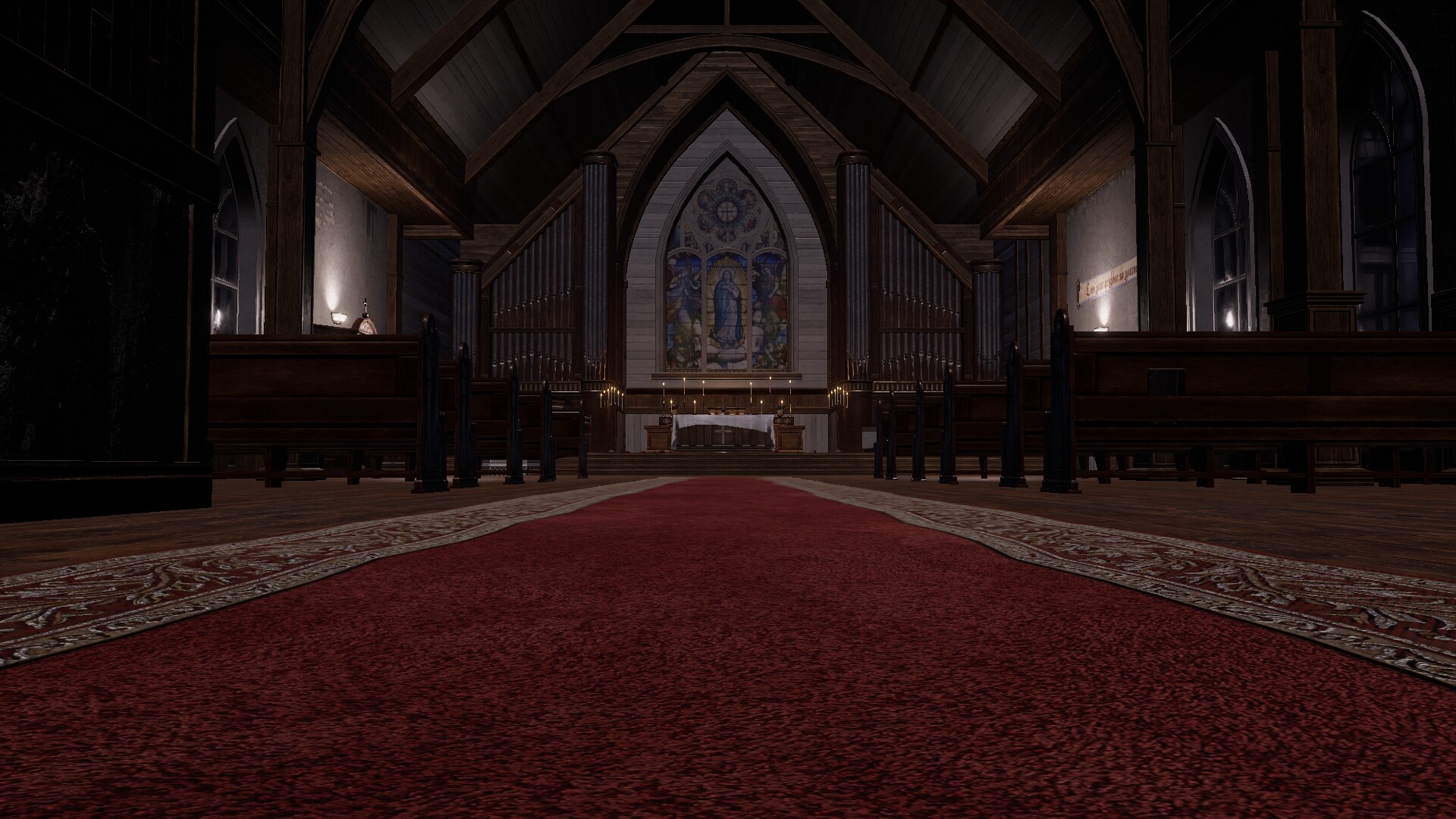
Trace of the Villa casts you as Jin, a protagonist whose personal investigation into a missing sister transforms into a broader uncovering of a deliberately erased property. Official descriptions emphasize a mansion that feels “less abandoned than erased”: furnished rooms frozen mid-routine, locked doors, hidden compartments, safes and fragments of encrypted documents. Those elements point to a design built around object logic—where solving one mechanical or narrative puzzle yields a document, manifest, or system access that becomes the clue for the next step.
When and where — availability on Steam
Trace of the Villa launched on 28 May, 2026 and is published on Steam by Steadyturtle Co., Ltd. You can view the store page and wishlist it directly on Steam.
Why the theme matters: pacing, atmosphere, and what it asks of players
The premise—recovering manifests and hints inside a decaying mansion—naturally supports a slow-burn structure. That matters because the game’s tension comes from inference, not from reacting. Players who enjoy atmospheric mystery adventure and psychological investigation will appreciate that each environmental detail can be a lead: a ledger entry, a transfer record, an encrypted fragment or a powered-back-on system that recontextualizes earlier clues. This design rewards patience and note-taking, and it privileges interpretive work (reading objects and timelines) over action-heavy pacing.
How you progress: clue reading, object logic, and story puzzles
The official descriptions specifically mention restoring power, secured systems coming back online, hidden compartments unlocking, safes yielding fragments, and encrypted documents. Taken together, those phrases outline a loop of observe → restore/access → decode → follow the trail. Practically, that translates to:
- Reading manifests and documents for names, dates, and inconsistencies that point to the next area or locked system.
- Using environmental items or systems (power, mechanical locks) to reveal new object puzzles or story fragments.
- Assembling narrative timelines from scattered evidence—financial trails, falsified identities, and movement records—so the plot emerges through deduction as much as through cutscenes.
Specific player scenarios — when this fits your session
- Evening investigation: You want a two- to four-hour stretch of focused puzzle work where each solved puzzle reveals a document or system that reframes earlier rooms.
- Notebook players: You enjoy keeping a physical or digital notebook—jotting names, dates, code fragments—and returning to it to connect later revelations.
- Accessibility-minded pacing: You prefer no timed inputs and the option to tailor audio/visual settings so you can concentrate on deduction rather than speed.
How Trace of the Villa compares (editorial discovery)
Below is a compact, editorial comparison to nearby puzzle/adventure titles so you can judge fit by puzzle focus, atmosphere, and exploration style rather than popularity claims.
| Title | Puzzle focus | Atmosphere / exploration | Player fit |
|---|---|---|---|
| The Room | Mechanical, tactile safes and object puzzles | Concentrated, single-room mystery | Players who like intricate, touchstone object puzzles |
| The Room Two | Expanded set-pieces and puzzle chains | Broader, more varied locales but similar tactile focus | Those who enjoy escalating, puzzle-led reveals |
| Escape Simulator | Highly interactive escape-room style puzzles | Bright, toy-like rooms; physics interactions | Players who like fiddly interactions and cooperative solving |
| Unpacking | Domestic, object-driven
Steam pageView Trace of the Villa on Steam YouTube discoveryFor trailer and gameplay discovery, use YouTube search rather than relying on unverified embeds: Find Trace of the Villa trailer and gameplay searches on YouTube. Comments |
Leave a Reply