

Trace of the Villa: a slow-burn mansion mystery for meticulous investigators
Trace of the Villa places you in Jin’s worn shoes: a small-cast, story-rich adventure about restoring erased places and reading the residues they leave behind. It’s built for players who prize environmental storytelling, layered documents, and puzzle sequences that reward careful note-taking rather than reflexes.
Who, what, when and where
Who: You play as Jin, a protagonist whose years-long search for his missing sister leads him to a remote, decaying mansion. What: An action-adventure indie from Steadyturtle Co., Ltd. that leans on investigation and narrative puzzle design. When/where: Trace of the Villa released on Steam on 28 May, 2026 and is available on PC via its Steam store page.

Why the theme matters to lore readers and investigation fans
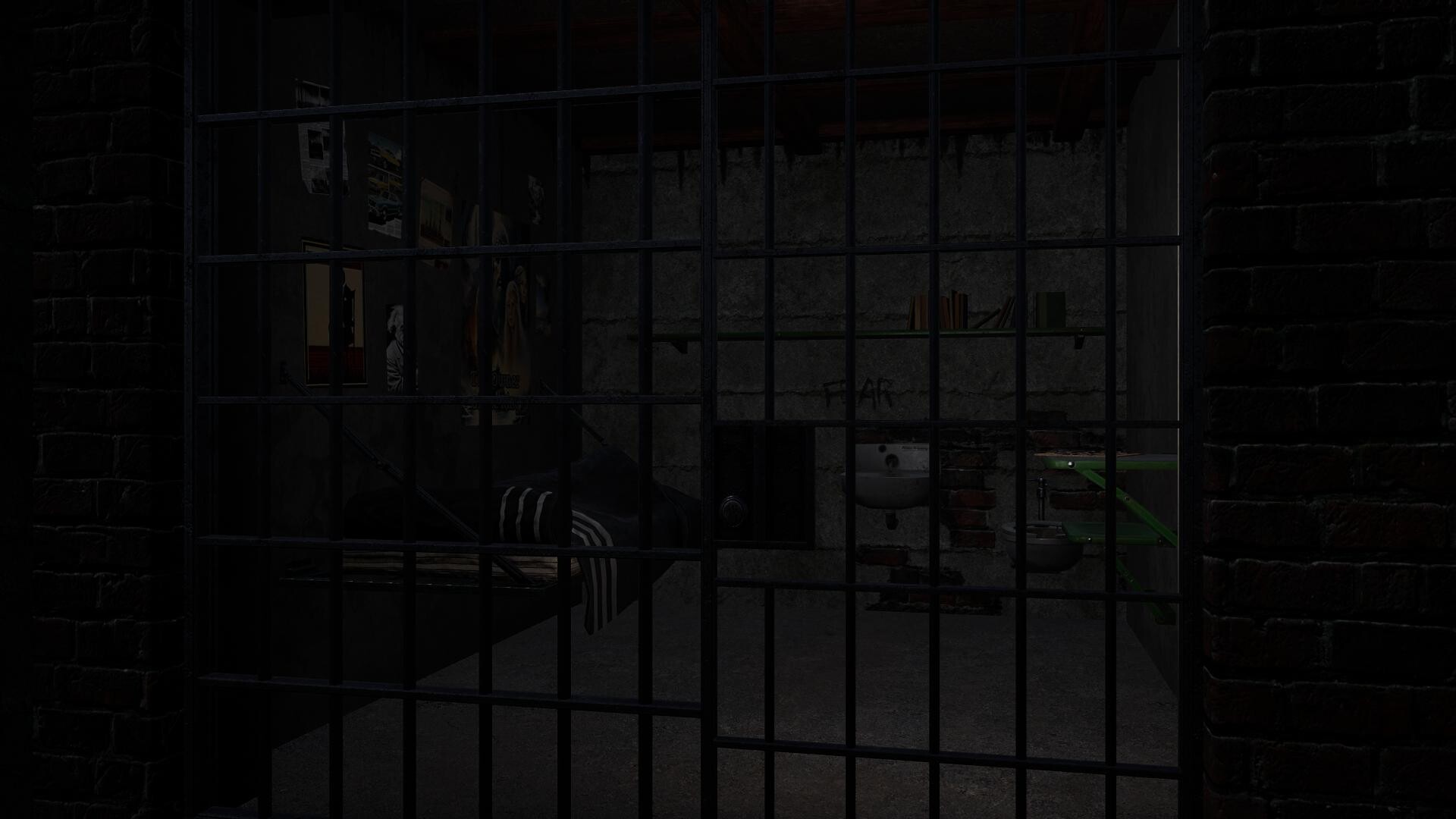
The mansion is presented as a deliberately forgotten node: no recent records, no active ownership, rooms arranged as if occupants vanished in place. That absence — missing photographs, removed names, scrambled records — is the core mystery mechanic. For players who enjoy reconstructing personalities and timelines from artifacts, Trace of the Villa promises gradual revelation through reactivated systems, safes, manifests and encrypted fragments, not jump scares or stream-of-consciousness exposition.
How you progress: reading systems, restoring power, and following paper trails
According to the official description, progress is tactile and forensic: when Jin restores power, secured systems come back online; hidden compartments and safes reveal fragments of documents and suspicious transfer records. The game emphasizes environmental storytelling and clue-driven exploration — you pull at small threads (a manifest line, a transfer record, a locked door) and whole patterns appear. The categories on Steam (Single-player; Color Alternatives; Custom Volume Controls; Playable without Timed Input; Subtitle Options; Family Sharing) underline a paced, accessibility-conscious design that favors reading, thinking, and piecing together a timeline at your own speed.
Who should wishlist or buy this on Steam?
- Meticulous players who keep notes: if you enjoy reconstructing timelines from receipts, manifests and encrypted fragments, this is pitched to that playstyle.
- Lore readers and archivists: the mansion’s “erased identities” hook is appealing to those who treat a game’s object database as primary narrative fuel.
- Investigation fans who prefer slow-burn suspense: the game emphasizes reactivating systems and reading traces rather than timed reflex challenges (Playable without Timed Input).
- Accessibility-minded players: Color Alternatives, Subtitle Options and Custom Volume Controls make a deliberate attempt to be playable for a broader audience.
Compact facts — Trace of the Villa
| Title | Trace of the Villa |
|---|---|
| Steam appid | 3483660 |
| Release date | 28 May, 2026 |
| Developer | Steadyturtle Co., Ltd. |
| Publisher | Steadyturtle Co., Ltd. |
| Genres | Action, Adventure, Indie |
| Key Steam categories | Single-player; Color Alternatives; Custom Volume Controls; Playable without Timed Input; Subtitle Options; Family Sharing |
| Short premise | Jin searches for his missing sister and finds a decaying mansion where manifests and hints suggest she may still be alive. |
How it compares — editorial discovery for fans of story and mystery
Below is a focused comparison on lawful editorial criteria: genre, atmosphere, puzzle focus, exploration style, story tone and pacing. This is not an endorsement or a claim of superiority — it’s meant to help readers decide which experience matches their tastes.
| Title | Why compare | Puzzle / Investigation focus | Exploration & pacing |
|---|---|---|---|
| Inscryption | Shares an appetite for layered secrets and meta-structure. | Card-driven puzzles that reveal deeper narrative layers; tightly designed escape-room logic. | Darker, more aggressive pacing with escalating revelations; less open exploration than Trace of the Villa. |
| Outer Wilds | Both reward patient players who reconstruct timelines from environmental cues. | Puzzles serve a cosmic mystery; less document-centred, more systems-based discovery. | Open-system exploration with time-loop mechanics; broader, more emergent pacing than a mansion-bound title. |
| Journey | Relevant for players who respond to atmospheric, wordless storytelling. | Minimalist puzzle elements; emphasis on emotional arc over forensic detail. | Linear, poetic pacing focused on tone rather than archival investigation. |
| The Forgotten City | Narrative-forward mystery with cause-and-effect puzzle structure. | Puzzles tied to narrative rules and player choices; time manipulation is central in that title. | More dialog-and-choice driven; pacing hinges on story beats and moral consequences rather than artifact reading. |
| The Medium | Psychological and investigatory tone with a dual-reality twist. | Puzzles interleave with psychological horror and narrative beats; investigative but more supernatural in framing. | Atmospheric suspense with moments of heightened tension; pacing alternates between exploration and tense sequences. |
Player scenarios — what to expect in practice
Scenario A — The Archive Reader
You keep a digital notepad open and mark names, dates, and account numbers as you find manifests and transfer records. Trace of the Villa rewards that habit: small data points converge into a timeline and reveal the mansion’s operational logic.
Scenario B — The Environmental Detective
You prefer reading space like a map. Furniture placement, interrupted meals, power nodes and locked doors tell you who lived where and what to pull on next. Scenes described on the Steam page—rooms still furnished, secured systems reactivating—suggest this is core to the loop of discovery.
Scenario C — The Slow-Burn Suspense Fan
You value gradual tension: restoration of power, unlocking safes, and the slow accumulation of encrypted fragments over time. The game’s categories and the official premise point to a patient, puzzle-first experience rather than constant action beats.
YouTube discovery
If you want trailers or gameplay searches, use this YouTube query to find recent videos (search results may include official trailers and user recordings; we do not claim a specific official video here): Search Trace of the Villa trailer & gameplay on YouTube.
Leave a Reply