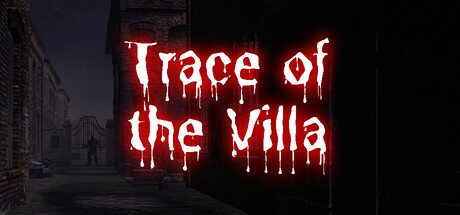
Trace of the Villa — a slow-burn mansion mystery for meticulous investigators
Trace of the Villa puts you in Jin’s shoes: a methodical searcher following manifests and fragile leads into a cut-off, decaying mansion where evidence — not spectacle — tells the story. The game trades jump scares for layered discovery; each restored circuit, unlocked safe, and fragment of paper nudges a larger, deliberately obscured operation into view.

Who, what, when, where, why and how
Who is this for?
Meticulous players, lore readers, and investigation fans who prefer piecing together narrative from environmental clues and documents. If you enjoy patient, clue-driven exploration and assembling timelines from fragmented evidence, Trace of the Villa is targeted at you.
What is the game?
Trace of the Villa is an Action / Adventure indie game from Steadyturtle Co., Ltd. that centers on Jin, a protagonist searching for his missing sister. The game’s premise — recovering manifests and hints in a remote, derelict mansion — frames a focused investigation rather than spectacle-driven horror.
When and where is it available?
Trace of the Villa released on 28 May, 2026 and is available on Steam for PC. The Steam store page lists the developer and publisher as Steadyturtle Co., Ltd.
Why the theme matters
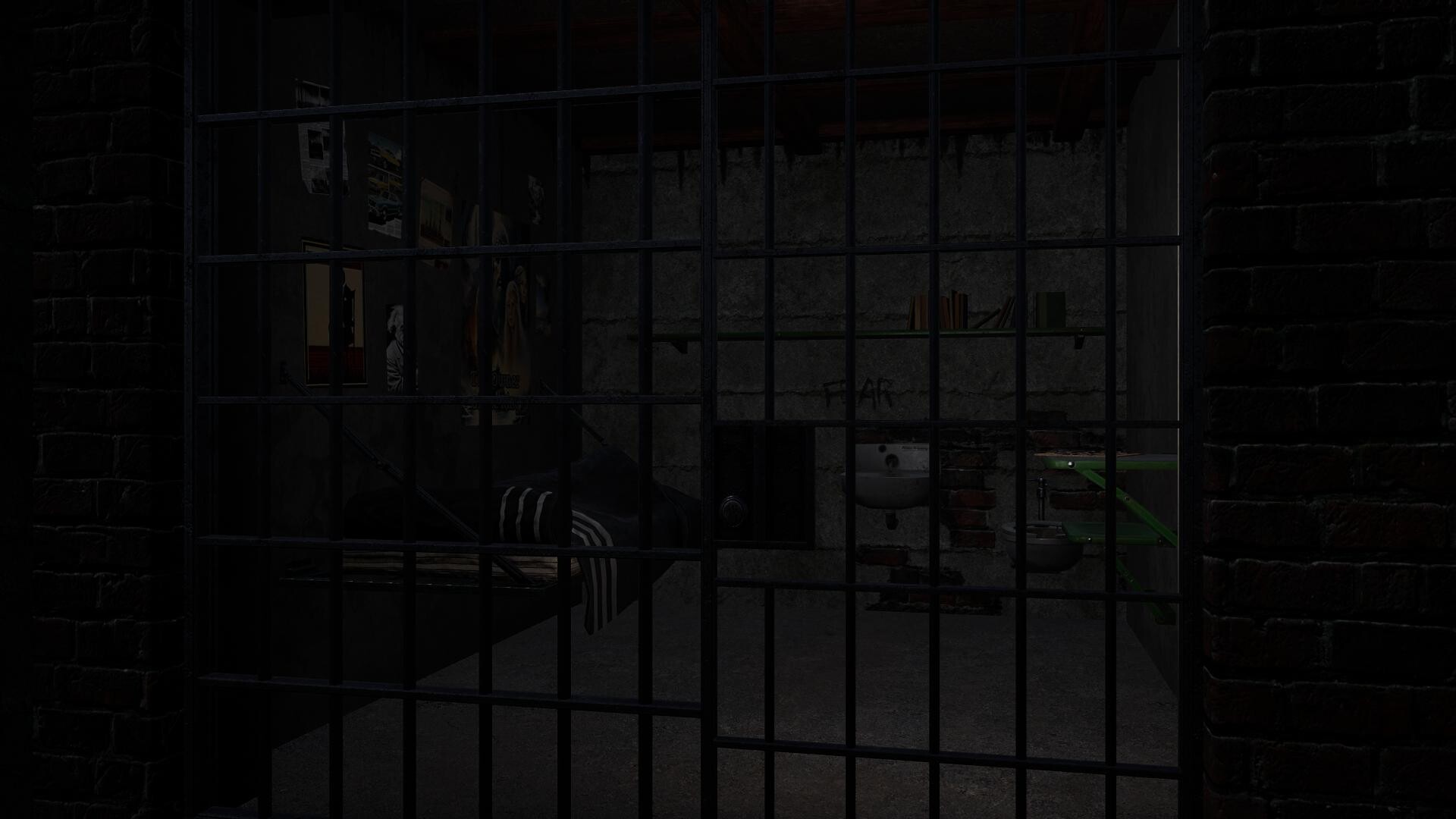
The mansion acts as a structural storytelling device: rooms staged as if abandoned mid-routine, secured systems returning to life, and falsified records point away from individual trauma toward an organized concealment. For players who value building a reconstruction of events from small, concrete items — encrypted fragments, transfer records, manifests — this approach rewards patience and attention to detail.
How you progress
Gameplay progression is investigative and environmental: restoring power to unlock systems, opening hidden compartments and safes, and decrypting fragments to follow financial or identity trails. The official Steam description emphasizes recovered manifests, encrypted document fragments, and suspicious transfer records as the kinds of evidence players will assemble to reveal the mansion’s hidden purpose.

Quick facts
| Title | Trace of the Villa |
|---|---|
| Release date | 28 May, 2026 |
| Developer | Steadyturtle Co., Ltd. |
| Publisher | Steadyturtle Co., Ltd. |
| Genres | Action, Adventure, Indie |
| Categories (Steam) | Single-player, Color Alternatives, Custom Volume Controls, Playable without Timed Input, Subtitle Options, Family Sharing |
| Steam page | View Trace of the Villa on Steam |
Who should wishlist this — player scenarios
- Document archaeologists: You enjoy reading manifests, decrypting fragments, and following financial or identity trails until a pattern forms.
- Slow-burn explorers: You prefer atmosphere and implication to constant action, and you like exploration that rewards returning to a previously inconsequential room with new context.
- Clue aggregators: You keep notes, map timelines, and piece disparate evidence into a cohesive backstory rather than relying on explicit exposition.
- Investigation co-op theorists (solo play): You appreciate single-player games that let you test hypotheses about what happened and then validate them by uncovering hard artifacts.
How it compares to nearby mystery and puzzle staples
The comparison below is editorial: it highlights atmosphere, puzzle emphasis, exploration style, and pacing so you can decide whether Trace of the Villa fits your investigative tastes.
| Game | Similarities | Key differences | Who might prefer the other title |
|---|---|---|---|
| Inscryption | Both prize layered secrets and reveal narrative through unusual mechanics and artifacts. | Inscryption blends card-based mechanics, escape-room puzzles, and meta-psychological horror; Trace of the Villa is rooted in environmental investigation and document trails rather than deckbuilding or meta twists. | Players who want mechanical surprises and meta-structure over straightforward environmental forensics may prefer Inscryption. |
| Outer Wilds | Shared emphasis on discovery and piecing clues into a larger timeline. | Outer Wilds is open-world and built around a time-loop systemic mystery; Trace of the Villa confines its investigation to a mansion and focuses on restored systems and records. | Explorers who love open, systemic puzzles and nonlinear discovery may favor Outer Wilds. |
| Journey | Both use atmosphere and environmental storytelling to convey emotion and history. | Journey is meditative and largely non-verbal exploration; Trace of the Villa is document- and clue-driven with an investigative focus and explicit narrative premise about a missing sister. | Players seeking contemplative, minimalist exploration will gravitate to Journey. |
| The Forgotten City | Both are narrative-driven and center on uncovering the truth behind past events. | The Forgotten City employs time-loop narrative mechanics and moral puzzles; Trace of the Villa focuses on recovering physical evidence, encrypted documents, and staged domestic spaces. | If you prefer puzzle solutions tied to narrative mechanics like time manipulation, The Forgotten City may be a closer fit. |
| The Medium | Similar interest in psychological tone and investigating unsettling locations. | The Medium uses dual-reality exploration (real world and spirit realm) to reveal secrets; Trace of the Villa is grounded in forensic, document-led discovery with systems and safes as catalysts for revelation. | Players who want supernatural or dual-reality mechanics alongside investigation might opt for The Medium. |
Trailer and YouTube discovery
If you want quick gameplay or trailer footage, search YouTube using the publisher-provided discovery path: search Trace of the Villa trailer & gameplay on YouTube. This is a recommended search link rather than an assertion that a specific official video is hosted there.
Leave a Reply