
Trace of the Villa — an investigation for meticulous players and lore readers
Jin arrives at a decaying mansion with manifests and hints that his missing sister might still be alive — a slow-burn, clue-driven investigation that asks players to read environments and archived evidence. For players who prefer environmental storytelling, encrypted fragments, and methodical puzzle work over jump scares, Trace of the Villa promises a mansion mystery built around obsessive reconstruction of vanished lives.

Who this is for
Trace of the Villa is aimed at players who treat a game like an archive: meticulous investigators, lore readers, and fans of slow, puzzle-laced narratives. If you enjoy piecing together timelines from manifests, locked safes, and partial computer logs — and prefer atmosphere, tension, and deduction to twitch reflexes — this is a title to consider wishlisting.
What the game is
Trace of the Villa (developer/publisher: Steadyturtle Co., Ltd.) is presented on Steam as an Action / Adventure / Indie title where the protagonist, Jin, follows a lead to a remote, deliberately forgotten mansion. The official short description and store text describe a property cut off from the grid whose rooms appear “erased” of identity; restoring power and unlocking secured systems reveals encrypted documents, suspicious transfers, and evidence of controlled movements. The tone centers on methodical discovery rather than overt supernatural spectacle.
When and where
Trace of the Villa released on Steam on 28 May, 2026. It is available on the Steam platform for PC; the Steam store page lists the developer and publisher as Steadyturtle Co., Ltd., and includes categories such as Single-player, Color Alternatives, Custom Volume Controls, Playable without Timed Input, Subtitle Options, and Family Sharing.
Why the theme matters for investigation fans
The story premise—missing people, falsified identities, and an estate designed to conceal movement—naturally rewards players who archive clues and reconstruct sequences. For lore readers, a mansion that “feels less abandoned than erased” suggests layers of intentional obfuscation: the game’s rewards are not just solved puzzles but the slow revelation of motive, ledger trails, and administrative erasure. That focus will appeal if you prefer textual fragments, recovered files, and past-presence design to literal jump-scare horror.
How you read clues and progress
The official store description outlines several concrete investigation beats: restoring power brings systems back online; hidden compartments and safes yield encrypted documents and transfer records; puzzles and secured systems gate further access. Progression appears to be driven by a mix of environmental examination, puzzle solving (locks, safes, security systems), and following financial or administrative trails that the mansion’s caretakers deliberately obscured. The categories “Playable without Timed Input” and subtitle options indicate a pace-friendly experience for readers and methodical solvers.
Quick facts
| Title | Trace of the Villa |
|---|---|
| Steam AppID | 3483660 |
| Release date | 28 May, 2026 |
| Developer / Publisher | Steadyturtle Co., Ltd. |
| Genres | Action · Adventure · Indie |
| Key Steam categories | Single-player; Color Alternatives; Custom Volume Controls; Playable without Timed Input; Subtitle Options; Family Sharing |
| Steam store | Open Trace of the Villa on Steam |
| Official visuals | Header and screenshots provided by Steadyturtle Co., Ltd. on their Steam page |
| Public reviews (Steam) | No user reviews on Steam (public summary shows 0 reviews) |
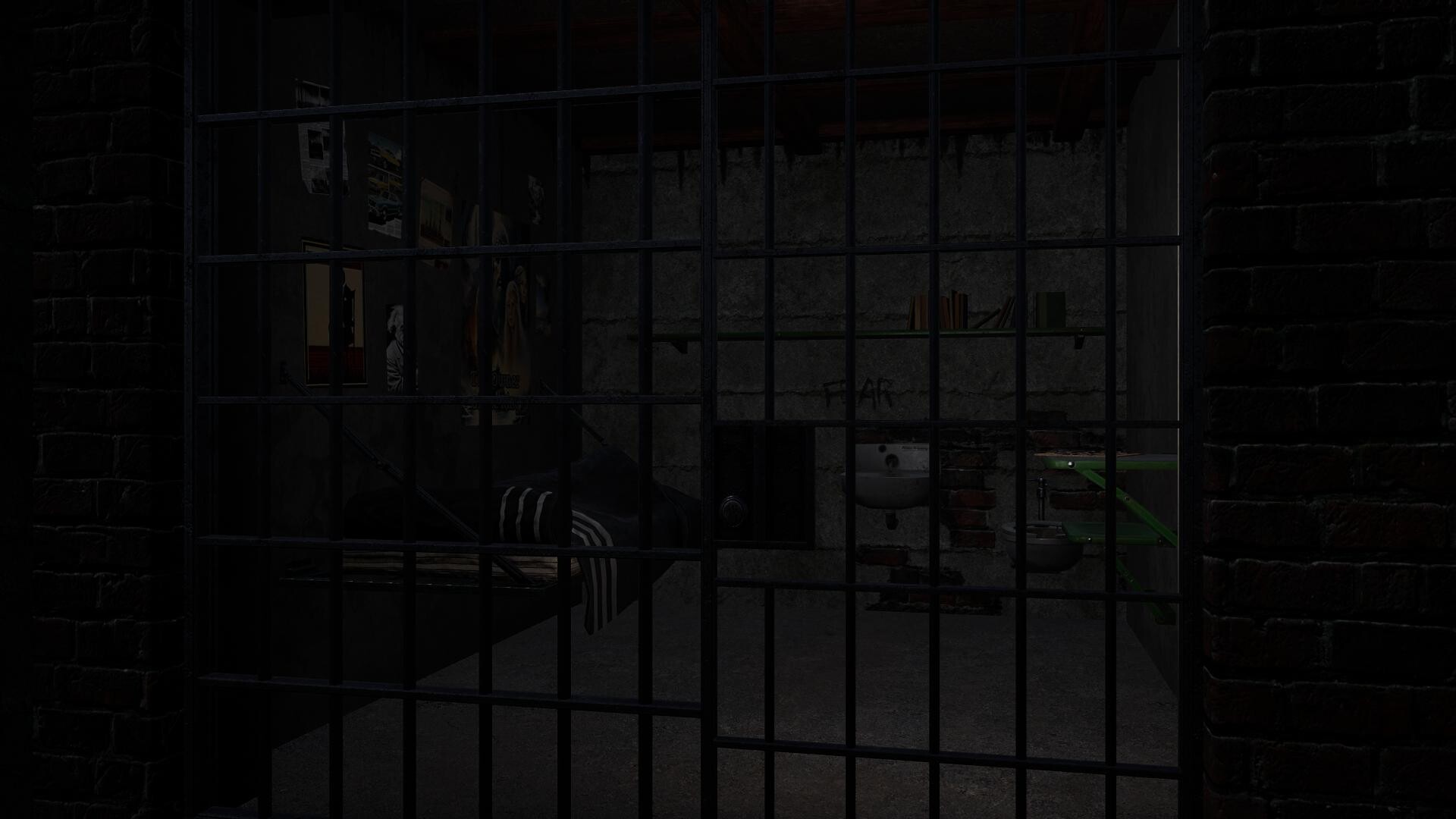
Screenshots from the Steam page

Player scenarios — who will enjoy this most
- The meticulous archivist: You love scanning every drawer, photographing documents, and reconstructing timelines from scraps. You’ll value the game’s locked safes, encrypted fragments, and administrative records as primary rewards.
- The environmental storyteller: You read a room like a novel. The mansion’s staged rooms and missing identities offer silent character beats you can decode without needing large info-dumps.
- The puzzle-first detective: You enjoy security systems, logic locks, and gated progression where solving one mechanism unlocks a new narrative corridor. The Steam categories suggest accessibility for players who prefer no timed inputs.
- The patient mystery fan: You prefer slow-burn suspense built on implication and documents rather than on overt horror set-pieces — this game’s premise is designed for that temperament.
How it compares to nearby mystery and exploration titles
Below is a compact, editorial comparison focused on genre, atmosphere, puzzle focus, exploration style, story tone, and pacing. These comparisons are meant to help you decide if Trace of the Villa fits your tastes.
| Title | Similarity | Key difference |
|---|---|---|
| Inscryption (2021) | Both use layered secrets and meta-puzzle thinking; atmosphere leans toward psychological tension. | Inscryption blends card-based mechanics and meta-narrative surprises; Trace of the Villa centers on environmental and archival investigation rather than deckbuilding mechanics. |
| Outer Wilds (2020) | Shared emphasis on piecing together timeline and emergent story from exploration. | Outer Wilds is an open-world, time-loop solar-system mystery with exploration at planetary scale; Trace of the Villa is a contained mansion mystery with document-driven, room-scale investigation. |
| Journey (2020 on Steam) | Both can offer contemplative pacing and an emphasis on atmosphere and quiet discovery. | Journey is a largely visual, movement-driven meditation with minimal textual clues; Trace of the Villa relies on explicit archival artifacts, encrypted records, and puzzle gating to reveal narrative. |
| The Forgotten City (2021) | Both reward close reading of systems and moral/puzzle-driven revelations. | The Forgotten City uses time-loop mechanics and social deduction in an ancient setting; Trace of the Villa uses investigative forensics inside an erased modern estate without loop mechanics (based on published descriptions). |
Leave a Reply