
Trace of the Villa — a slow-burn mansion mystery for meticulous investigators
Jin has spent years searching for his missing sister. On 28 May, 2026 Steadyturtle Co., Ltd. released Trace of the Villa on Steam, sending players into a decaying, off‑grid mansion where manifests, encrypted fragments, and restored systems promise a trail that might still lead to her.

Who this is for
If you are a player who reads every document, reconstructs timelines from scraps of dialogue, and prefers investigation to twitch combat, Trace of the Villa is aimed directly at you. The game’s Steam listing places it in Action / Adventure / Indie and lists categories like Single‑player, Subtitle Options, Playable without Timed Input, Color Alternatives, Custom Volume Controls, and Family Sharing — all signals that the experience is designed around accessible, clue‑driven exploration rather than reflex challenges.
What the game is
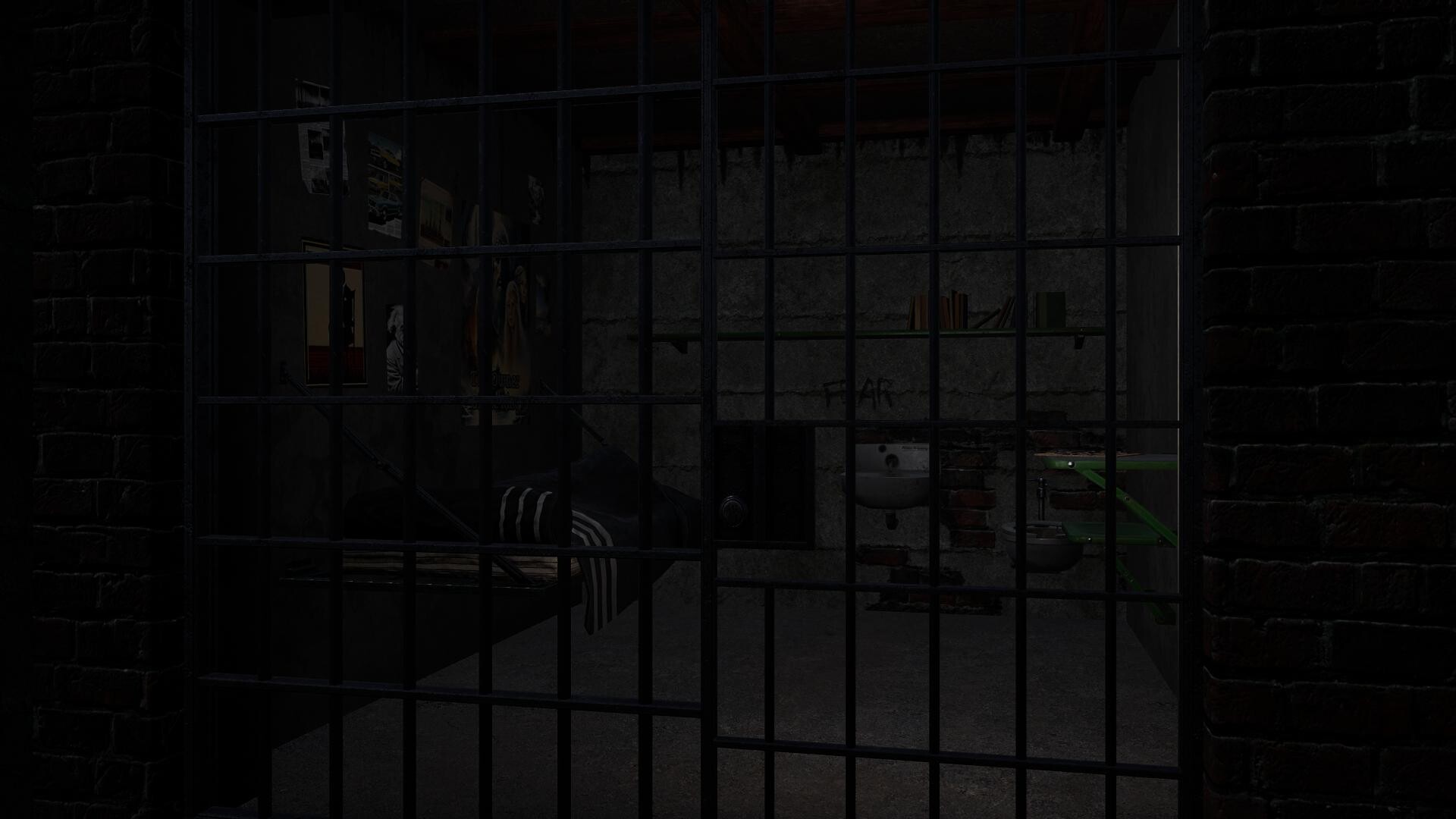
Trace of the Villa casts you as Jin, investigating a remote, deliberately forgotten mansion after a lead suggests his missing sister may still be alive. Inside, rooms feel “erased” rather than simply abandoned — furnishings remain, personal items are undisturbed, yet names and photographic history are missing. When Jin restores power, secured systems come back online, hidden compartments open, and safes yield encrypted documents and suspicious transfer records. Each puzzle solved reveals a layer of a concealed operation: financial trails that lead nowhere, falsified identities, and evidence of people moved and controlled within the estate.
When and where — Steam details
Trace of the Villa released on Steam on 28 May, 2026. The developer and publisher are both Steadyturtle Co., Ltd. If the mansion’s slow revelations and environmental storytelling appeal, you can view the Steam page and wishlist via the official store link below.
Why the theme matters — narrative curiosity at the core
What Trace of the Villa centers on is narrative curiosity: missing names, erased ownership, and cryptic manifests that refuse to be read in a single pass. For lore readers and investigation fans, the value isn’t a single plot beat but the satisfaction of assembling evidence — a timeline of arrivals and departures, falsified paperwork, and the discovery that the estate functioned as part of something larger and hidden. The tone is slow‑burn, atmospheric mystery rather than jump‑scare horror: the dread comes from what the house refuses to show immediately and from the bureaucratic coldness of falsified lives.
How you progress — reading the house as a text
Progress is built around environmental storytelling and piecemeal systems restoration. Official materials describe Jin restoring power to the estate, which reactivates secured systems and unlocks physical and digital caches: hidden compartments, safes, manifests, and encrypted fragments. Players who enjoy careful note‑taking, cross‑referencing dates, and reconstructing financial or identity trails to expose larger operations will find the pace rewarding. The Steam categories (Subtitle Options, Playable without Timed Input, Color Alternatives) underline that the experience is intended for focused reading and methodical puzzle solving rather than fast reflex play.

Player scenarios — who will enjoy their time in the mansion
- The meticulous dossier builder: You’ll take screenshots of manifests, transcribe dates and names, and stitch together a timeline of arrivals and disappearances. Your payoff is the coherent story you assemble from fragments.
- The lore reader: You relish marginalia, audio logs, and encrypted notes. The absence of names and photographs is a deliberate puzzle — the next clue is often a pattern in false paperwork or a repeated transfer record.
- The quiet investigator: You prefer puzzle sequences that are investigative, not reflexive. The “Playable without Timed Input” category flags that pacing is contemplative and player‑driven.
Quick facts
| Title | Trace of the Villa |
|---|---|
| Steam App ID | 3483660 |
| Release date | 28 May, 2026 |
| Developer / Publisher | Steadyturtle Co., Ltd. |
| Genres | Action, Adventure, Indie |
| Key categories | Single‑player; Color Alternatives; Custom Volume Controls; Playable without Timed Input; Subtitle Options; Family Sharing |
| Official short premise | Jin has spent years searching for his missing sister, pursuing leads that took him to a remote, decaying mansion where he recovered manifests and hints that indicate his sister may still be alive. |
How it compares — games to consider if you like narrative mystery
Below is a focused editorial comparison on lawful criteria: genre, atmosphere, puzzle focus, exploration style, story tone, and pacing. These comparisons are discovery — not claims of superiority.
| Title | Genre / Core feel | Atmosphere & story tone | Puzzle / exploration focus | Pacing / player fit |
|---|---|---|---|---|
| Trace of the Villa | Action / Adventure / Indie | Slow‑burn mansion mystery, erased identities, investigative dread | Environmental puzzles, system restoration, documentary fragments | Methodical — for players who piece timelines and bureaucratic traces together |
| Inscryption | Adventure / Indie / Strategy | Black, psychological, metafictional horror | Card‑based mechanics + escape‑room style puzzles | Often confrontational and layered; for players who like genre‑blending surprises |
| Outer Wilds | Action / Adventure | Wonderful, cosmic mystery (time loop premise) | Exploration and emergent puzzle solving across an open solar system | Exploratory, curiosity‑driven; rewards wide pattern recognition over document parsing |
| Journey | Adventure / Indie | Meditative, minimalist, emotional exploration | Environmental discovery rather than document puzzles | Slow, contemplative; ideal for players who value mood and symbolism |
| The Forgotten City | Adventure / Indie / RPG | Narrative‑driven mystery with time loop mechanics and moral puzzles | Dialogue and logic puzzles that affect outcomes | Structured narrative with puzzle consequences; for players who like branching investigation |
| The Medium | Adventure | Psychological horror; dual‑realm exploration | Puzzles that leverage parallel worlds and contrast | Pace mixes exploration with moments of tension; suited to players who like story + atmosphere |
YouTube discovery
Steam page
View Trace of the Villa on Steam
YouTube discovery
For trailer and gameplay discovery, use YouTube search rather than relying on unverified embeds: Find Trace of the Villa trailer and gameplay searches on YouTube.
Leave a Reply