
Trace of the Villa — a slow-burn, clue-driven mansion investigation for meticulous players
Jin has spent years searching for his missing sister, and Trace of the Villa drops you into a decaying mansion full of manifests, encrypted fragments, and rooms that feel deliberately erased of identity. If you prize environmental storytelling, piecing together timelines from small objects, and methodical puzzle work over jump scares or fast action, this release deserves a close look.

Facts at a glance
| Title | Trace of the Villa |
|---|---|
| Steam AppID | 3483660 |
| Release date | 28 May, 2026 |
| Developer / Publisher | Steadyturtle Co., Ltd. |
| Genres | Action, Adventure, Indie |
| Notable Steam features | Single-player; Color Alternatives; Custom Volume Controls; Playable without Timed Input; Subtitle Options; Family Sharing |
| Official premise | Jin follows a lead to a remote, decaying mansion where manifests and hints indicate his sister may still be alive, somewhere at the end of the trail. |
Who should wishlist this
Trace of the Villa is squarely aimed at meticulous players, lore readers, and investigation fans who enjoy building narratives from fragments: unlocked safes, encrypted documents, irregular financial trails, and rooms left mid-routine. If you enjoy slow-burn suspense, careful inventory/puzzle work, and atmosphere over action spectacle, put this on your radar. Players who prefer quick reflex challenges or arcade-style pacing may find the tone too patient.
What the game is — tone, structure, and central mystery
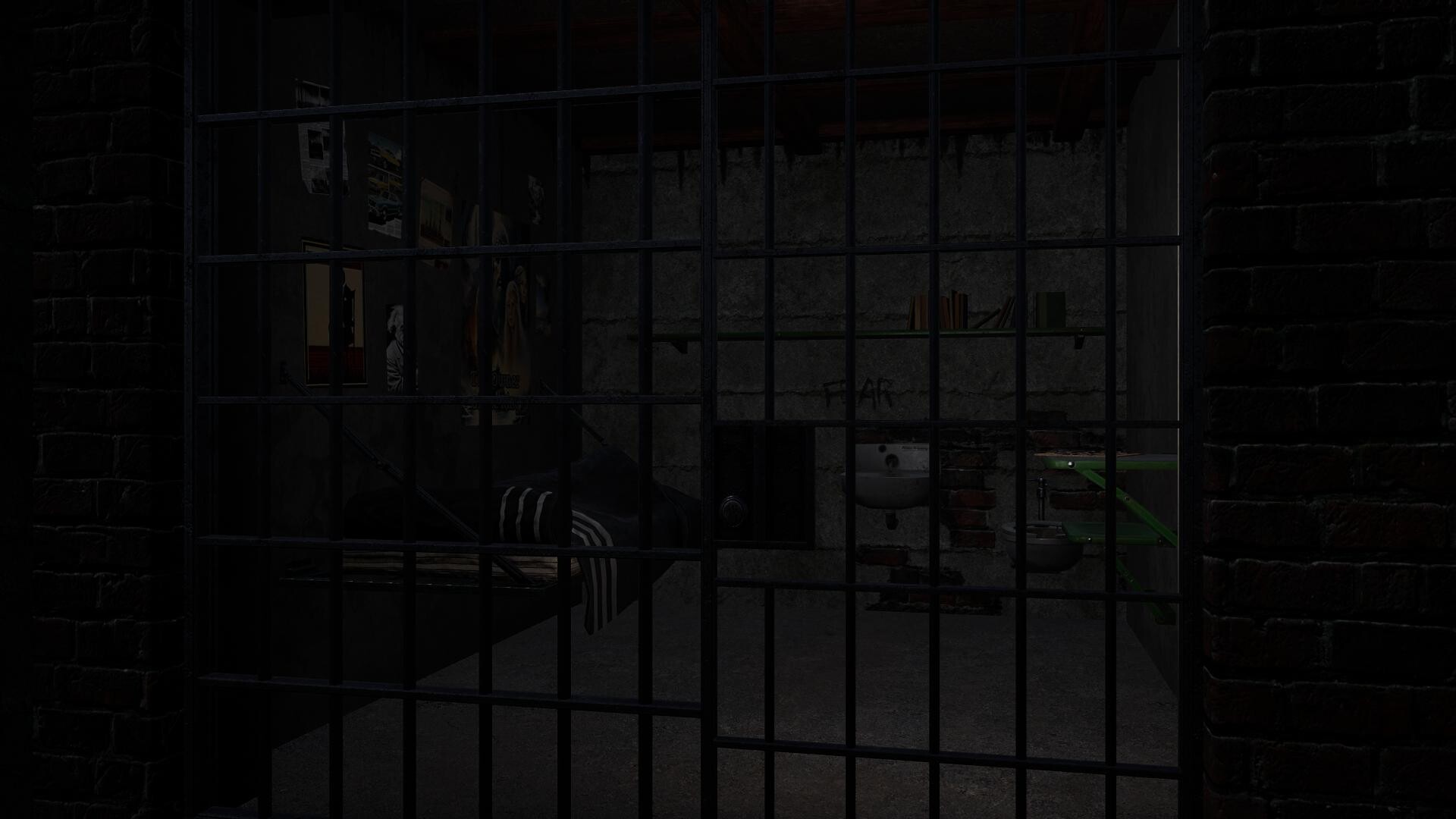
According to the official Steam page, you play as Jin, whose long search for a missing sister leads to a deliberately forgotten estate. The mansion’s rooms look lived-in but stripped of names and histories, and restoring power reveals secured systems, hidden compartments, safes, and fragments of encrypted paperwork. The investigation feels systemic: puzzles and discoveries reveal a pattern of movements masked behind falsified identities and suspicious transfer records. All of this points to a larger concealed operation rather than a single, isolated disappearance.
When and where to find it on Steam
Trace of the Villa launched on Steam on 28 May, 2026. For the official store page and to wishlist, use the Steam link below.
Why this theme matters for investigative players
Mansion mysteries work when objects and documents pull narrative weight—Trace of the Villa’s official description emphasizes erased identities, encrypted documents, and financial trails. That makes it attractive to players who read item descriptions, cross-check manifests, and enjoy reconstructing timelines rather than being handed explicit cutscenes. The theme rewards patience: each unlocked system or recovered manifest is a breadcrumb toward a broader pattern.
How you progress: reading clues and unlocking the story
Progression, per the official description, is driven by restoring systems, solving puzzles, and accessing secured storage. Restored power and unlocked compartments yield fragments—encrypted documents, transfer records, and manifests—that gradually assemble into a timeline. The game appears designed for players who like to catalog discoveries, test hypotheses against found evidence, and follow financial and identity-related threads to reach conclusions.

Player scenarios — who will get the most from the experience
- The meticulous archivist: You keep notes, back up screenshots, and test every document for hidden metadata. The game’s encrypted fragments and falsified records give you a hunt worth pursuing.
- The environmental narrator: You read rooms like chapters. If spotting small staging details and reconstructing missing moments excites you, the mansion’s “erased” identities will reward that attention.
- The methodical puzzler: You prefer puzzles that open more plot rather than just mechanical tests. Restoring power to reveal systems and safes should feel satisfying.
- The patient exploration fan: If you like slow-burn reveals and detective work over combat, Trace of the Villa is aligned with your pace.
How it compares to nearby narrative mystery and puzzle games
Below is a practical editorial comparison highlighting how Trace of the Villa sits among other story-rich titles. This is an editorial discovery exercise, not a claim of superiority.
| Title | Core genre / tags | Atmosphere / story tone | Puzzle & exploration focus | Player fit |
|---|---|---|---|---|
| Trace of the Villa | Action, Adventure, Indie; Single-player, Playable without Timed Input | Decaying mansion; erased identities; slow-burn investigative tension | Evidence recovery, restoring systems, safes, encrypted documents | Meticulous investigators, lore readers, environmental storytellers |
| Inscryption | Adventure, Indie, Strategy | Claustrophobic, metafictional horror | Card-based puzzles blending escape-room style mechanics | Players who like layered surprises and mechanical twists |
| Outer Wilds | Action, Adventure; Single-player, Exploration-focused | Curious, cosmic mystery with contemplative tone | Open-world observation, environmental clues across locations | Exploration fans who enjoy non-linear timeline assembly |
| Journey | Adventure, Indie; Single-player/Co-op experience | Wordless, atmospheric, emotional exploration | Traversal and visual storytelling rather than puzzle emphasis | Players seeking mood and minimal explicit narrative |
| The Forgotten City | Adventure, Indie, RPG; Narrative-driven mystery | Moral and procedural mystery with puzzle-driven discovery | Dialog and systemic puzzle loops (time/causal mechanics) | Players who like narrative consequences and ethical puzzles |
| The Medium | Adventure; Psychological investigation | Psychological horror, dual-reality storytelling | Exploration across overlapping realities with puzzle elements | Fans of psychological themes and parallel-world mechanics |
Leave a Reply