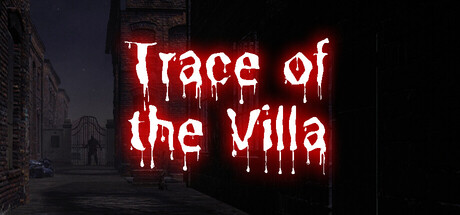
Trace of the Villa — a slow‑burn, clue‑driven mansion mystery on Steam
Trace of the Villa is a story‑rich action‑adventure from Steadyturtle Co., Ltd. that centers on Jin’s search for his missing sister inside a remote, decaying mansion. Released on 28 May, 2026, the Steam page frames it as environmental storytelling built around exploration, puzzle solving, and evidence reconstruction.

Quick facts
| Title | Trace of the Villa |
|---|---|
| Developer / Publisher | Steadyturtle Co., Ltd. |
| Release date | 28 May, 2026 |
| Genres | Action, Adventure, Indie |
| Steam categories | Single-player; Color Alternatives; Custom Volume Controls; Playable without Timed Input; Subtitle Options; Family Sharing |
| Store page | Trace of the Villa on Steam |
Who should wishlist it
If you prefer atmospheric mystery adventures that reward patient exploration and close reading of environmental clues, Trace of the Villa fits that appetite. The protagonist, Jin, follows manifests and hints inside a mansion where restored systems and unlocked safes reveal encrypted documents and financial traces — players who enjoy narrative puzzle design and slow‑burn suspense should consider adding it to their wishlist.
What the game is (how the premise shapes play)
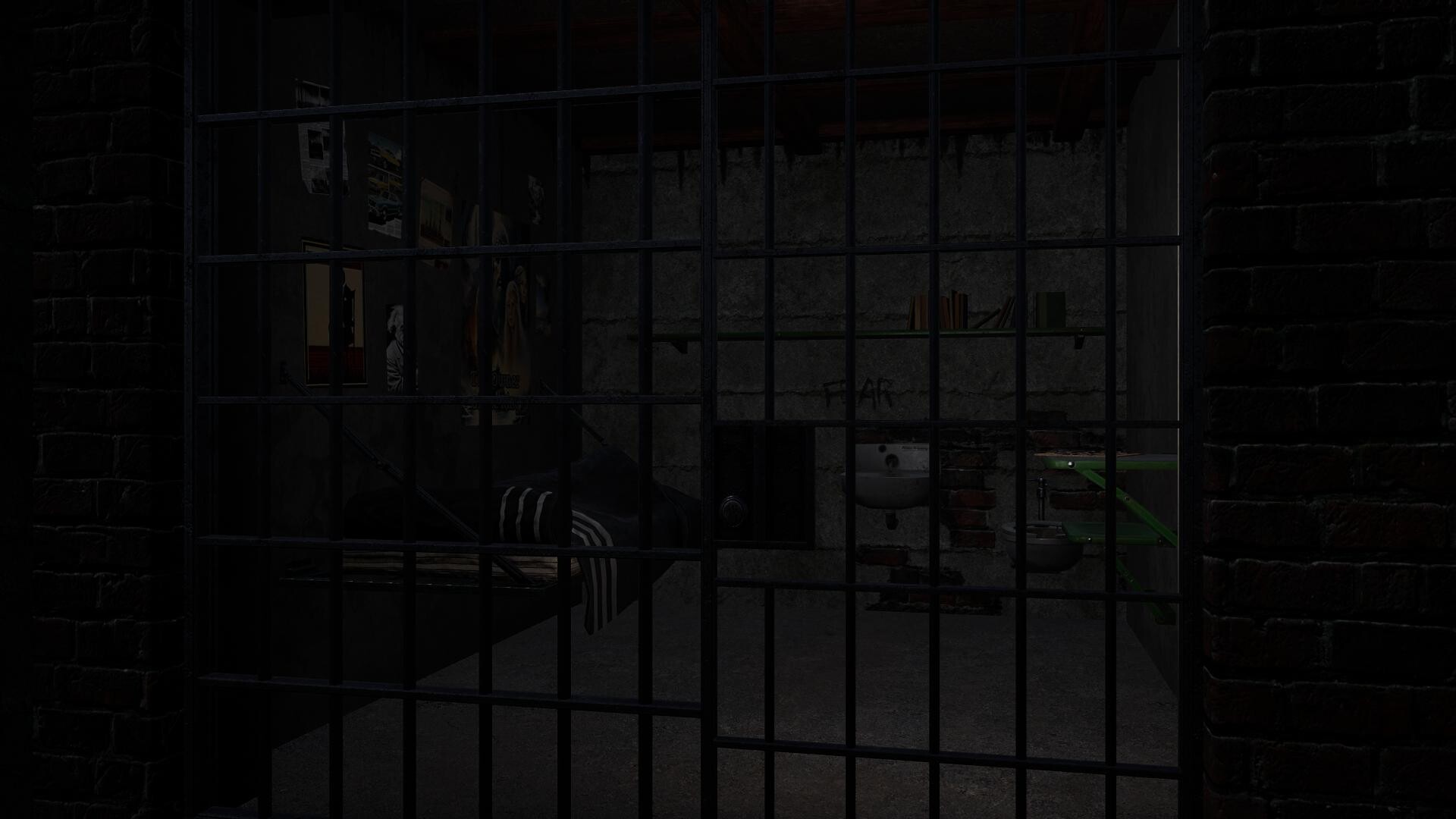
According to the official Steam description, Jin arrives at a property “cut off from the grid” and discovers rooms preserved as if occupants vanished mid‑routine. The house responds when power is restored: secured systems come back online, hidden compartments open and safes yield fragments of encrypted files. The store page positions the experience around investigation — reconstructing timelines from documents, transfer records and falsified identities — which points to a blend of exploration and puzzle solving rather than shoot‑and‑run action.
When and where — Steam context
Trace of the Villa launched on Steam on 28 May, 2026 and is available via its Steam store page. The title is presented for PC players on Steam and uses standard store assets (header and screenshots) to communicate tone and setting.
How progression and clues work
The Steam description makes the mechanics of investigation explicit: restoring estate power and reactivating systems is a trigger for new information. Progression appears built around unlocking layers of the mansion’s history — solving puzzles, accessing locked doors and safes, and decrypting fragments of documents and manifests. Expect a gameplay loop driven by environmental storytelling and evidence assembly rather than timed reflex challenges (the store lists “Playable without Timed Input”).

Player scenarios — who will like Trace of the Villa
- Story‑first explorers: You value environmental clues and document fragments that build a larger conspiracy or timeline.
- Puzzle players who dislike strict time pressure: The store lists “Playable without Timed Input,” so puzzles likely lean toward thoughtful solving rather than reflex tests.
- Atmosphere seekers: If a decaying mansion, missing identities, and slow revelations appeal to you, the game’s premise aligns with that taste.
- Accessibility‑mindful players: Steam categories include Color Alternatives, Custom Volume Controls and Subtitle Options, which help tailor the experience.
How players typically discover smaller mystery games on Steam
On Steam, story‑rich indie mystery titles reach players through a mix of the New Releases flows, tag and browse search results, and direct store searches for terms like “mansion,” “investigation,” or “psychological.” If you’re trying to surface similar games, search Steam tags such as Adventure, Indie, and Investigation, follow “New Releases” for launch‑period visibility, and use wishlist and follow options to receive updates from the developer or publisher.
Comparison — where Trace of the Villa sits among other mystery and atmospheric titles
| Title | Primary genre(s) | Atmosphere / story tone | Puzzle / exploration focus | Pacing / player fit |
|---|---|---|---|---|
| Trace of the Villa | Action, Adventure, Indie | Mansion mystery; erased identities; investigative and unsettling | Clue-driven exploration, document/secure-system recovery | Slow‑burn; fits players who prize narrative puzzle design |
| Rusty Lake Hotel | Adventure, Indie | Dark, eerie, surreal | Point‑and‑click puzzles with a puzzle‑box structure | Concise, puzzle‑centric; good for short sessions |
Leave a Reply