
Trace of the Villa — a mansion-bound, clue-driven mystery now on Steam
Jin arrives at a decaying, deliberately forgotten mansion with a single aim: follow the trail to his missing sister. Trace of the Villa bills itself as an action‑adventure indie where restoring power to the estate and piecing together encrypted documents and safes reveal a larger, controlled operation.

Quick facts
| Title | Trace of the Villa |
|---|---|
| Release date | 28 May, 2026 |
| Developer / Publisher | Steadyturtle Co., Ltd. |
| Genres | Action, Adventure, Indie |
| Steam categories | Single-player; Color Alternatives; Custom Volume Controls; Playable without Timed Input; Subtitle Options; Family Sharing |
| Short premise (store) | Jin has spent years searching for his missing sister, pursuing leads that took him to a remote, decaying mansion where he recovered manifests and hints that indicate his sister may still be alive. |
| Store page | Trace of the Villa on Steam |
Who this game is for
If you favor atmospheric mystery adventure with environmental storytelling and a focus on clue-driven exploration, Trace of the Villa is aimed at you. The Steam page frames the experience around investigation, puzzle‑like locked systems and decrypted documents rather than high‑tempo combat alone; the listed categories also show accessibility options such as subtitle support and settings for color alternatives and custom volume controls.
What the game is (from the store page)
Officially described on its Steam listing, Trace of the Villa follows Jin as he reactivates systems in a cut‑off mansion and uncovers hidden compartments, safes and fragments of encrypted documents. The narrative emphasis, per the store description, is on reconstruction of timelines and following financial and identity trails that point to a larger operation. The game is presented as single‑player action/adventure indie.
When and where to find it on Steam
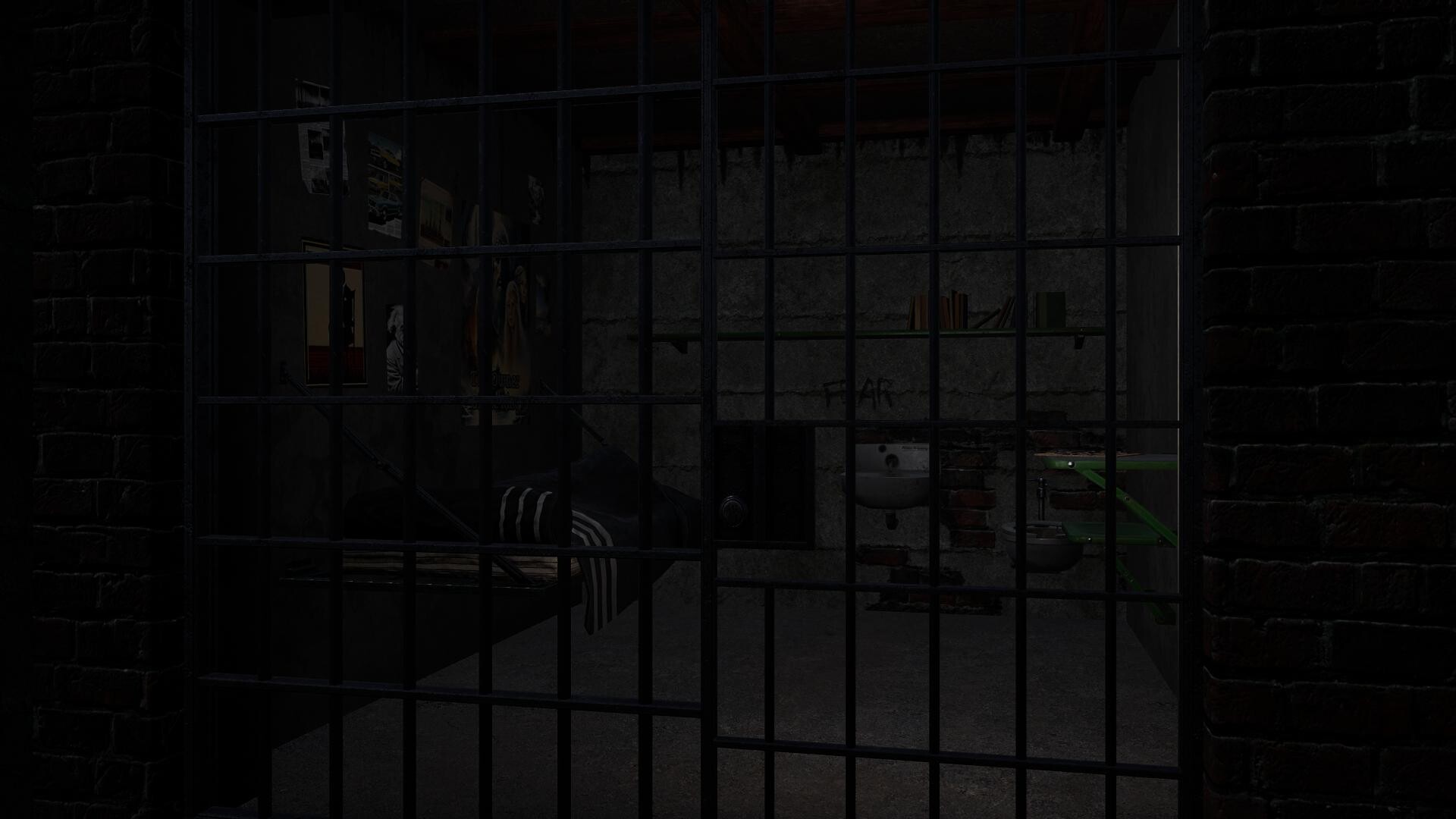
Trace of the Villa released on Steam on 28 May, 2026 and is available on the PC Steam store page linked above. The store page includes a header image and a set of high‑resolution screenshots that show interiors, locked safes and restored systems — useful visual cues for players deciding whether the atmosphere and puzzle tone suit them.
Why the mansion theme matters here
The mansion is treated less like a backdrop and more like a character whose systems and records you reactivate. The official description emphasizes erased identities, falsified records and a sense that occupants “vanished mid‑routine.” For players drawn to slow‑burn suspense, environmental clues and narrative puzzle design, that framing signals a game built around investigating traces rather than straightforward action set pieces.
How progression and puzzles are presented
The store text describes restoring power, unlocking hidden compartments, opening safes and decrypting fragments of documents as primary beats. Expect progression to come from solving practical puzzles that reveal narrative fragments — encrypted documents and transfer records that gradually form a timeline — rather than instant exposition. The inclusion of “Playable without Timed Input” in Steam categories is a clear signal that pacing leans toward careful inspection over twitch reactions.
Who should wishlist it — concrete player scenarios
- Fans of environmental storytelling who prefer discovery and document archaeology to combat-driven progression.
- Players who like methodical, clue-led pacing and the satisfaction of assembling timelines from fragmented records.
- Those who need accessibility options such as subtitles, color alternatives, and custom audio controls.
- Anyone who wants a single‑player, narrative‑forward indie with a mansion mystery premise centered on a protagonist (Jin) searching for a missing family member.
How players typically discover smaller mystery games on Steam
On Steam, curiosity about narrative mysteries often starts with tag pages, browse/search results, publisher or developer followings, and the New Releases sections. For smaller indie titles, clear store assets — a strong header, descriptive screenshots and an unambiguous short description — improve the chance that readers looking for “mansion mystery,” “narrative puzzle,” or “psychological investigation” will click through and wishlist.
Comparison snapshot
Below is an editorial comparison on lawful criteria — genre, atmosphere, puzzle focus, exploration style and pacing — to help you see where Trace of the Villa sits among familiar mystery or atmospheric titles.
| Title | Genres / Tone | Puzzle focus | Exploration style | Pacing |
|---|---|---|---|---|
| Trace of the Villa | Action · Adventure · Indie — mansion mystery, investigative | Document decryption, safes, reactivating systems (store description) | Clue-driven, environment as narrative source | Measured, investigative |
| Rusty Lake Hotel | Adventure · Indie — dark, eerie point‑and‑click | Puzzle and logic puzzles integral to narrative | Point‑and‑click rooms and item interaction | Compact, puzzle-centric episodes |
| The Medium | Adventure — psychological horror, dual‑realm exploration | Puzzles that use dual‑reality mechanics | Exploratory, juxtaposing real world and spirit realm | Slow to medium; atmosphere-driven |
| Layers of Fear | Adventure — first‑person psychological horror | Environmental puzzles mixed with narrative reveals | Linear exploratory mansion/house spaces | Slow‑burn, psychological tension |
| Hi‑Fi RUSH | Action — rhythm‑driven, upbeat | Minimal traditional puzzles; gameplay centered on combat/rhythm | Linear action stages | Fast, high‑tempo |
Steam wishlist and discovery tip
If Trace of the Villa’s premise — missing sister, erased identities, safes and encrypted records — matches your preferred mystery rhythm, add it to your Steam wishlist from the store link above so you’ll
YouTube discovery
For trailer and gameplay discovery, use YouTube search rather than relying on unverified embeds: Find Trace of the Villa trailer and gameplay searches on YouTube.
Leave a Reply