Trace of the Villa: why quiet, creeping uncertainty matters more than cheap shocks
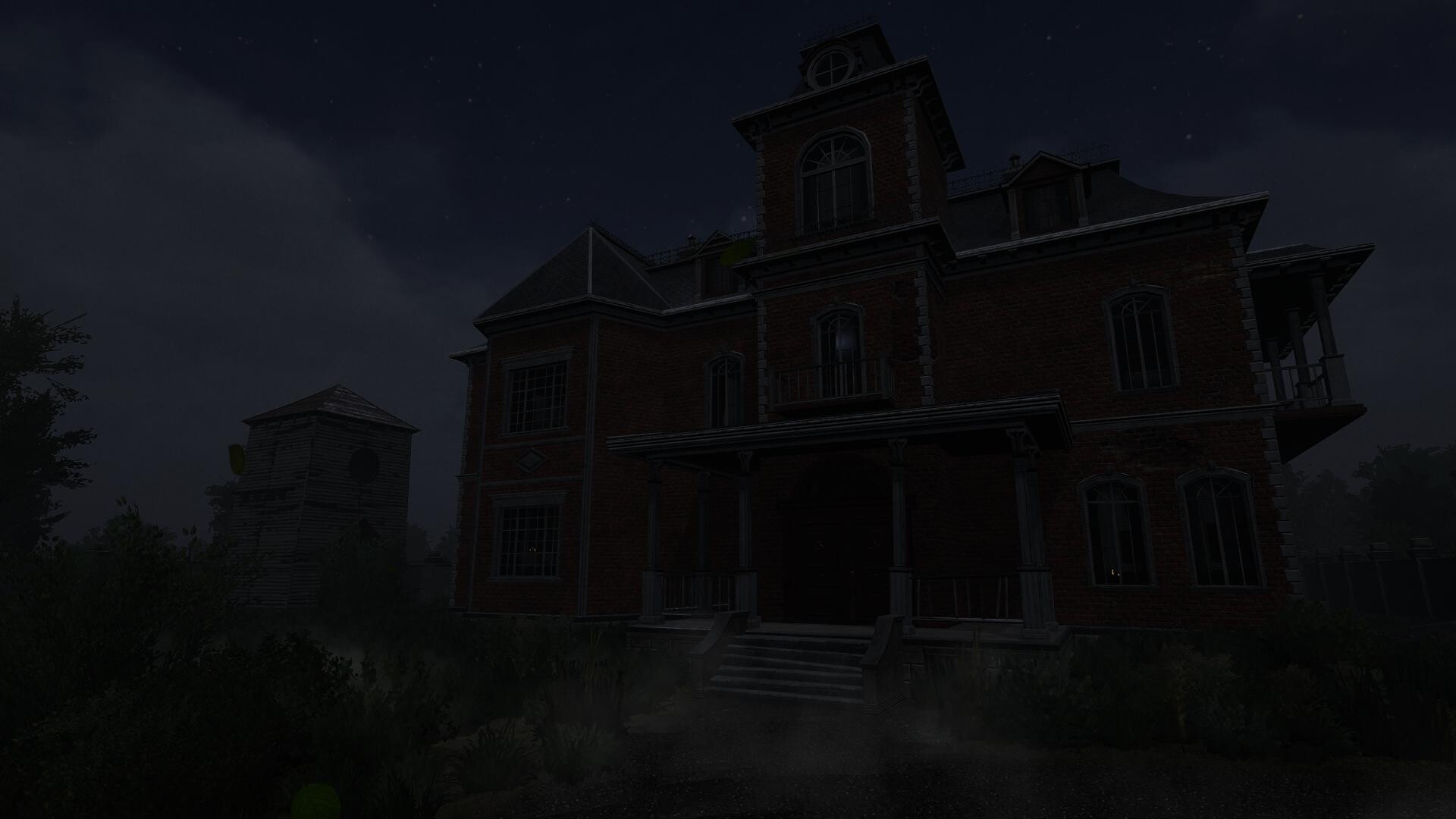
Trace of the Villa positions itself as a slow-burn mystery framed around one man’s search for a missing sister—Jin follows a lead to a remote, decaying mansion where faint traces suggest she might still be alive. Released on 28 May, 2026 by Steadyturtle Co., Ltd., the Steam page makes clear this is a story-first, clue-driven exploration that unfolds when the player restores power and lets a hushed house reveal its secrets.

Who this is for
If you prefer atmosphere and investigative tension to jump-scare theatrics, Trace of the Villa is pitched at you. The official description centers on piecing together encrypted documents, restoring estate systems, and following financial and identity trails—so players who enjoy environmental storytelling, slow-burn suspense, and narrative puzzle design will likely find the experience rewarding. It’s also aimed at single-player PC/Steam audiences (the Steam listing shows it under Action, Adventure, Indie, and lists Single-player and accessibility categories such as Subtitle Options and Custom Volume Controls).
What the game is
Trace of the Villa is a Steam indie adventure about Jin’s search for his missing sister. The mansion acts as the game’s central mystery: rooms appear frozen mid-routine, identities seem erased, and secured systems and safes hold fragments of encrypted material that gradually reveal a concealed operation. The store copy explicitly frames gameplay around investigation and puzzle progression—restoring power, unlocking hidden compartments, and following suspicious transfer records—rather than constant combat or arcade-style horror.
When and where
Trace of the Villa launched on Steam on 28 May, 2026. It’s published and developed by Steadyturtle Co., Ltd.; the Steam page lists the genres as Action, Adventure, Indie and categories including Single-player, Color Alternatives, Custom Volume Controls, Playable without Timed Input, Subtitle Options, and Family Sharing.
Why the theme of quiet uncertainty matters
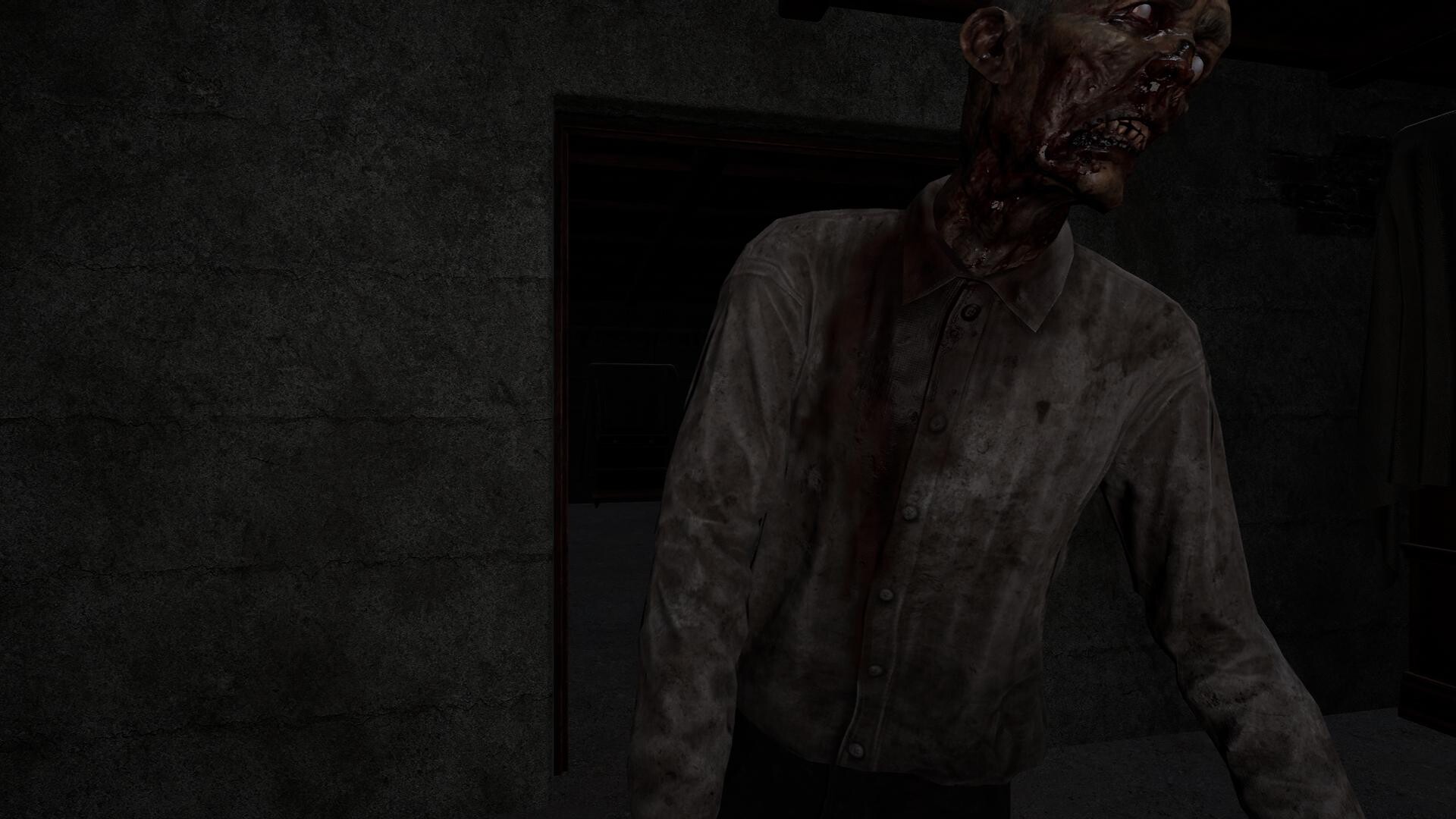
Psychological horror that trades on sustained ambiguity does two things well: it lets the player supply fears from their own imagination, and it makes every small discovery feel meaningful. Trace of the Villa’s premise—an estate where identities appear removed and people moved through under strict control—turns routine tasks like restoring power into narrative beats. The tension comes not from sudden shocks but from the accumulation of hints: manifests, encrypted fragments, falsified records. That accumulation produces a persistent unease because the unknown feels organized and deliberate, which is often more disturbing than a single, loud scare.
How you progress — reading clues and solving puzzles
The Steam description outlines a progression loop built on exploration and systems restoration. Expect to: restore the mansion’s power to bring systems online; search rooms for hidden compartments, safes and manifests; decrypt or interpret fragments to follow financial and identity trails; and use those discoveries to access new areas. This is clue-driven exploration and puzzle work rather than timed-reaction gameplay—the Steam listing explicitly notes the game is “Playable without Timed Input,” which supports a methodical, patient approach.
Facts at a glance
| Title | Trace of the Villa |
|---|---|
| Steam App ID | 3483660 |
| Developer | Steadyturtle Co., Ltd. |
| Publisher | Steadyturtle Co., Ltd. |
| Release Date | 28 May, 2026 |
| Genres | Action; Adventure; Indie |
| Notable Steam Categories | Single-player; Color Alternatives; Custom Volume Controls; Playable without Timed Input; Subtitle Options; Family Sharing |
| Official short premise | Jin has spent years searching for his missing sister and follows a lead to a remote, decaying mansion where manifests and hints indicate she may still be alive. |
How it compares — measured against nearby psychological/mystery titles
Below is an editorial comparison focused strictly on genre, atmosphere, puzzle emphasis, exploration style, story tone, and pacing. These comparisons are intended to help players decide whether Trace of the Villa fits their tastes.
| Title | Genre/Setting | Atmosphere | Puzzle / Gameplay focus | Exploration style | Pacing / Tone |
|---|---|---|---|---|---|
| Trace of the Villa | Action / Adventure / Indie; mansion mystery | Hushed, investigative, erased-identities | Clue-driven puzzles, system restoration, encrypted fragments | Intentional, room-by-room discovery | Slow-burn suspense; methodical |
| Amnesia: The Dark Descent | Action / Adventure / Indie; first-person survival horror | Immersive dread; vulnerability-based tension | Puzzle elements with survival/stealth mechanics | Continuous, tension-heavy exploration | Relentless, oppressive; high fear intensity |
| SOMA | Action / Adventure / Indie; sci-fi horror | Existential, claustrophobic beneath-the-sea setting | Narrative puzzles and environmental problem-solving | Linear but exploratory, story-led segments | Atmospheric and philosophical; sustained unease |
| Layers of Fear (2016) | Adventure / Indie; Victorian mansion / psychological | Unstable, surreal, shifting architecture | Environmental puzzles tied to storytelling | Fragmented, shifting spaces that reflect mental state | Psychological, disorienting; medium-paced |
| Poppy Playtime | Action / Adventure / Indie; toy factory horror | High-concept, tense with scripted encounters | Puzzle-adventure with tool-based mechanics | Set-piece rooms with hazards and scripted threats | Fast-acting tension with more overt threat moments |
Player scenarios — who should wishlist this on Steam
- Slow-burn explorers: You like careful, deliberate play and treating rooms as story-laden puzzles rather than combat arenas.
- Clue hunters and environmental readers: You enjoy following fragmented documents and system logs to reconstruct a hidden operation.
- Players who prefer puzzle pacing over timed reflexes: The store listing marks the game as playable without timed input, favoring thoughtful problem-solving.
- Atmosphere-first horror fans: If you value persistent unease built from implication and detail rather than frequent jump scares, this matches that preference.
- Not ideal for players seeking steady action or competitive stressors: The focus is investigation and narrative, not action-oriented multiplayer or rapid combat loops.
Practical note on accessibility and settings
The Steam listing
Leave a Reply