
Trace of the Villa — a premise-first guide for curious, story-first players
Jin has spent years searching for his missing sister, and his newest lead points to a decaying, deliberately forgotten mansion that seems to have had identities erased and systems shut down. This guide gives you the narrative context you need to decide whether Trace of the Villa fits your tastes — without spoiling plot beats or endings.

Who is this for?
If you prize slow-burn suspense, environmental storytelling, and clue-driven exploration over jump scares or fast-paced combat, Trace of the Villa is pitched directly at you. The Steam listing positions it as an Action/Adventure indie focused on single-player investigation and atmosphere — useful if you prefer unraveling a mystery room-by-room, following manifest fragments and encrypted files rather than relying on explicit exposition.
Accessibility signals on the Steam page — like “Playable without Timed Input”, subtitle options, color alternatives, and custom volume controls — suggest the game accommodates players who want to savour story beats at their own pace.
What the game is (premise-first)
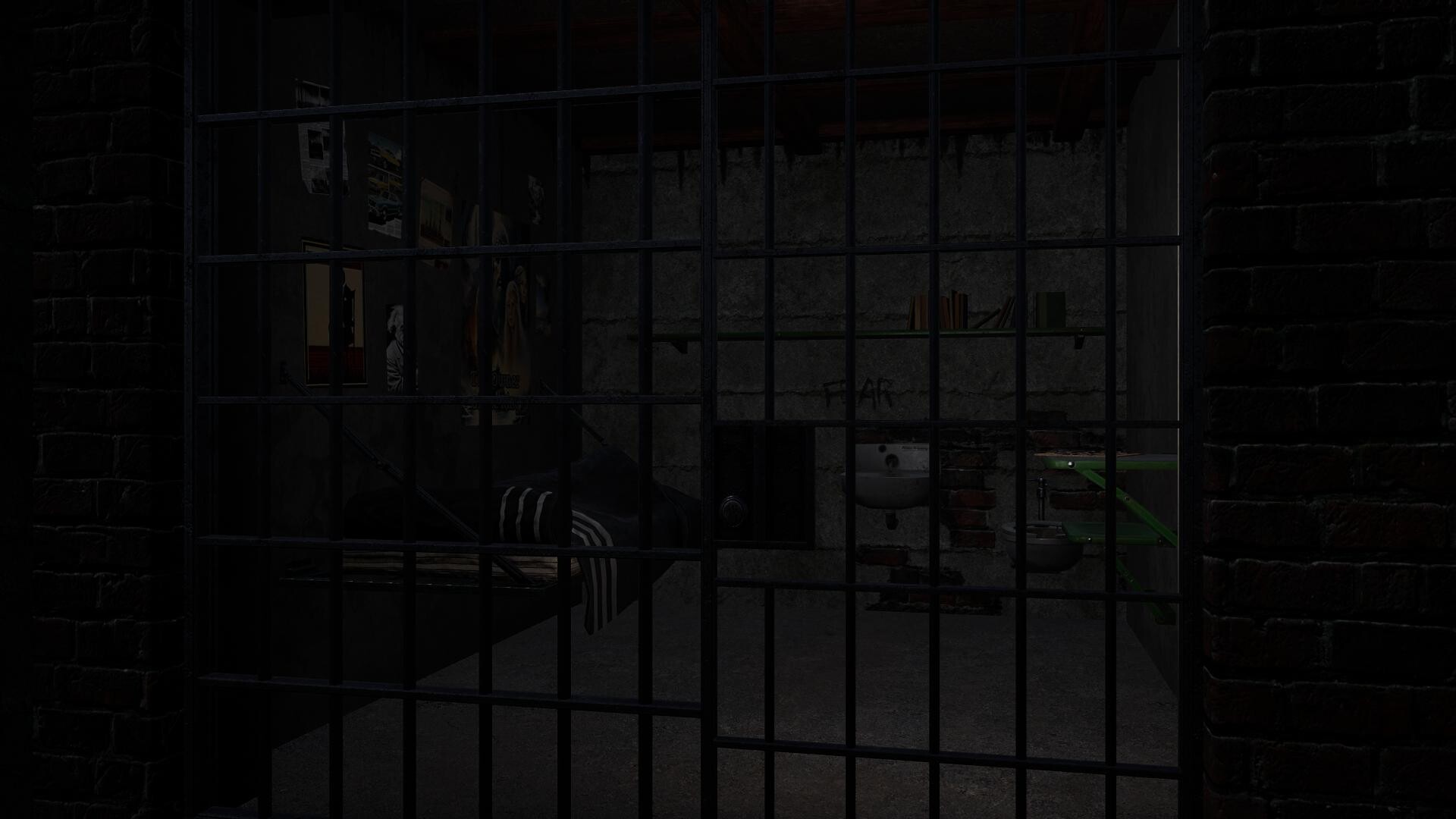
Trace of the Villa centers on Jin, a protagonist whose long hunt for a missing sister finally leads to a remote mansion. The official Steam description describes rooms frozen as if occupants vanished mid-routine, locked doors and hidden compartments, and the restoration of estate power as a catalyst that lets the house begin to reveal its secrets: secured systems coming online, safes and compartments yielding fragments of encrypted documents and suspicious transfer records. The listing frames the mansion as a node in a larger, concealed operation — people passing through under strict control, falsified identities, and financial trails that go nowhere.
When and where
Trace of the Villa released on Steam on 28 May, 2026. It’s a PC/Steam indie from Steadyturtle Co., Ltd., who are listed as both developer and publisher. The Steam page lists the game under Action, Adventure, and Indie and flags core categories such as Single-player and Family Sharing.
Why the theme matters
The central conceit — a house that looks lived-in but has had identities removed — immediately sets player expectations: investigative patience, pattern recognition, and the emotional weight of searching for a missing person. Narrative stakes are personal (Jin’s sister) and institutional (hidden operations and falsified records), so the emotional pull will land differently depending on whether you favour character-led mysteries or puzzle-first exploration.
How you will read clues and progress (what the Steam page implies)
The Steam description makes clear that progress is tied to restoring systems, unlocking compartments, and decrypting fragments of evidence. That points to a gameplay loop built around environmental puzzles, investigative documents, and systems that change the mansion’s accessibility as you go. Because the page lists “Playable without Timed Input”, expect puzzles that reward careful observation rather than reflexes or speed-based challenges.

Player scenarios — who should wishlist this
- Slow-burn investigators: You enjoy following fragmented leads, reading manifests and encrypted notes, and letting a mystery assemble itself over hours.
- Environmental-storytelling fans: You want a setting that reveals character and system-level secrets via set dressing — rooms that feel like lives paused mid-routine.
- Puzzle players who dislike reflex tests: The Steam page’s “Playable without Timed Input” tag signals puzzles that reward thought, not speed.
- Accessibility-conscious players: Subtitle options, color alternatives, and custom volume controls make it easier to adapt the experience.
- Players wary of spoilers: If you prefer to discover narrative beats yourself, you can use the premise above to decide interest without learning plot outcomes.
How it differs from nearby mystery/puzzle titles
Below is a compact editorial comparison that focuses on tone, puzzle style, and player fit — not endorsement or superiority claims.
| Title | Atmosphere / Tone | Narrative Focus | Puzzle & Exploration Style | Player fit |
|---|---|---|---|---|
| Trace of the Villa | Decaying mansion, slow-burn, unsettling erasure of identity | Personal investigation into a missing person layered with institutional hints | Document-driven, environmental puzzles; systems restored to unlock new areas | Players who prefer methodical clues and narrative rewards over reflex action |
| Inscryption | Bleak, meta-horror, confrontational | Secrets revealed through cards and layered meta-narrative | Card-based puzzles plus escape-room elements | Players who like genre-blending and destabilizing twists |
| Outer Wilds | Curious, melancholic, cosmic | Exploration-led mystery of a solar system on a loop | Open-world exploration, physics and environmental puzzles | Players who enjoy non-linear discovery and emergent narratives |
| The Medium | Psychological, dual-realm dread | Character-driven investigation with supernatural elements | Third-person exploration with puzzle sections tied to spirit-realm mechanics | Players who want a more cinematic, character-focused horror investigation |
(Comparisons are editorial — focusing on atmosphere, puzzle focus, pacing, and player preference.)
Quick facts
| Title | Trace of the Villa |
|---|---|
| Developer | Steadyturtle Co., Ltd. |
| Publisher | Steadyturtle Co., Ltd. |
| Release date | 28 May, 2026 |
| Genres | Action, Adventure, Indie |
| Key Steam categories | Single-player; Color Alternatives; Custom Volume Controls; Playable without Timed Input; Subtitle Options; Family Sharing |
| Steam page | Trace of the Villa on Steam |
YouTube discovery (trailers & gameplay)
If you want trailers or early gameplay clips, search YouTube rather than relying on third-party uploads:
Leave a Reply