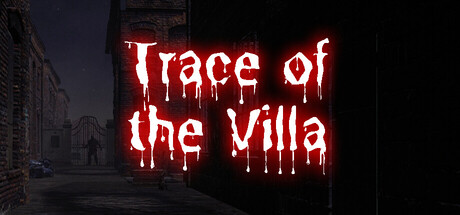
Trace of the Villa — a premise-first guide for story-seekers who want context without spoilers
Jin’s search for a missing sister leads him to a remote, decaying mansion where recovered manifests and hints suggest she may still be alive. If you prize environmental storytelling, slow-burn suspense, and clue-driven exploration over blunt exposition, Trace of the Villa is positioned to answer the kind of narrative curiosity that thrives on discovered backstory and pieced-together motives.

Who, What, When, Where, Why, How — the concise 5W1H
Who
The protagonist named in Steam’s official material is Jin, a person compelled by years of searching for his missing sister. The developer and publisher listed on Steam are Steadyturtle Co., Ltd.
What
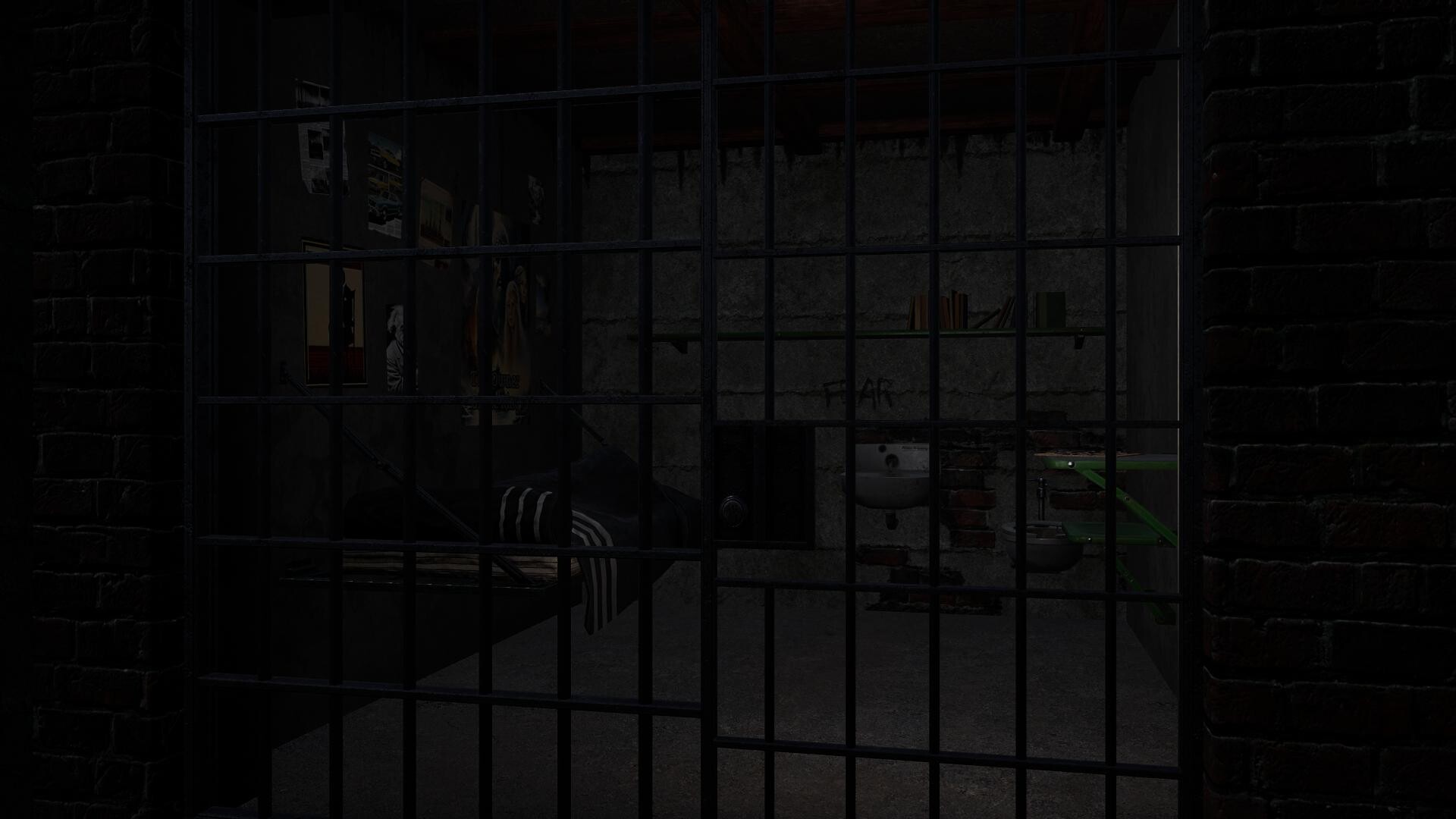
Trace of the Villa is described on Steam as an Action / Adventure / Indie experience built around a narrative investigation: Jin discovers a decaying mansion cut off from the grid, finds manifests and encrypted fragments, restores power, and uncovers evidence of a concealed operation. The Steam listing emphasizes environmental storytelling — rooms that feel “erased,” locked doors, falsified identities and financial trails that lead nowhere.
When & Where (Steam / PC context)
Release date on Steam: 28 May, 2026. It’s available on Steam as a PC title (Steam appid 3483660) and listed with single-player and accessibility-focused categories such as Color Alternatives, Custom Volume Controls, Playable without Timed Input, and Subtitle Options.
Why the theme matters
The premise — a family search that stumbles into institutional secrecy — matters because it sets player expectations: this isn’t a jump-scare sprint or a linear cinematic reveal. The Steam description frames discovery as incremental and forensic; identity and records have been deliberately erased, so the emotional stakes are tied to assembling fragments rather than following handed-down exposition.
How you read clues and progress
According to the official Steam text, progression is driven by restoring estate systems, unlocking hidden compartments, and decrypting documents and transfer records. The game positions puzzles and environment as the primary conveyors of backstory: solving mechanical or logic barriers brings new fragments into view, and each fragment reframes previous discoveries.
Quick facts
| Title | Trace of the Villa |
|---|---|
| Steam AppID | 3483660 |
| Release Date | 28 May, 2026 |
| Developer / Publisher | Steadyturtle Co., Ltd. |
| Genres | Action, Adventure, Indie |
| Categories | Single-player; Color Alternatives; Custom Volume Controls; Playable without Timed Input; Subtitle Options; Family Sharing |
How Trace of the Villa fits different narrative tastes
Not all mystery players are the same. Below are three reader-focused profiles and how the game’s premise, as presented on Steam, will likely land for them.
- The patient investigator: You prefer slow-burn atmosphere and collecting fragments rather than being told. The mansion-as-evidence approach — rooms that look lived-in but with identities removed — is a direct match.
- The puzzle-and-clue obsessive: If you enjoy progression gated by systems restoration, hidden compartments and document decryption, this game promises that style of emergent narrative, where solving a mechanical or logic puzzle yields a meaningful story beat.
- The emotional-mystery player: You want a personal throughline (Jin’s search for his sister) tied to larger institutional secrets. The official description places personal stakes and disturbing patterns (arrivals without records, departures without witnesses) at the heart of the reveal process.

Comparison: Where Trace of the Villa sits among narrative puzzle games
Below is a compact editorial comparison to help you judge player fit. Criteria are genre, atmosphere, puzzle focus, exploration style, story tone, and pacing — all drawn from public descriptions of each title.
| Title | Genre / Atmosphere | Puzzle / Exploration focus | Story tone & pacing |
|---|---|---|---|
| Trace of the Villa | Action / Adventure / Indie — decaying mansion, investigative tone | Clue-driven: restore systems, unlock compartments, decrypt records | Slow-burn suspense with personal stakes (Jin’s search); methodical reveal |
| Inscryption | Adventure / Indie / Strategy — inky, psychological horror | Deckbuilding + escape-room puzzles; puzzles embedded in meta-narrative | Dark, layered and psychological; twist-heavy and genre-blending |
| Outer Wilds | Action / Adventure — open-world mystery about a solar system time loop | Exploration-first: environmental clues across locations; emergent puzzles | Curiosity-driven, exploratory pacing; revelations come from travel and synthesis |
| The Medium | Adventure — psychological horror with dual-reality exploration | Puzzle and atmosphere balanced; narrative through world and echoes | Reflective, eerie pacing; story unfolds through supernatural investigation |
Specific player scenarios — should you wishlist it?
Use these scenarios to decide whether to add Trace of the Villa to your wishlist on Steam.
- Wishlist if: You enjoy piecing together a story from environmental fragments, appreciate accessibility options (subtitles, color alternatives, no timed inputs), and want a mystery rooted in institutional secrecy and personal motive.
- Wait to wishlist if: You prefer fast narrative closure, combat-first action without emphasis on forensic exploration, or a multiplayer social puzzle experience — Trace of the Villa is single-player and oriented toward methodical discovery.
YouTube discovery
If you want to see trailers or gameplay search results before buying, try this search path on YouTube (this is a discovery link; Steam data does not verify a specific official video): Trace of the Villa trailer & gameplay on YouTube.
If the premise — Jin’s long search and a mansion that feels “erased” — draws your narrative curiosity, the game’s official Steam presentation and assets suggest a careful, clue-forward experience rather than loud scares or cinematic exposition.
View Trace of the Villa on Steam
Notes and disclaimer
All factual details (title, release date, developer/publisher, genres, categories, and quoted premise) are taken from the game’s official Steam listing and associated Steam assets. Referenced third-party titles (Inscryption, Outer Wilds, The Medium) are compared on editorial criteria only: genre, atmosphere, puzzle focus, exploration style, story tone, and pacing. These comparisons are for discovery and player-fit purposes, not endorsement.
Referenced titles and trademarks belong
Leave a Reply