
Trace of the Villa: a premise-first guide to the mansion mystery
Jin has spent years searching for his missing sister, and Trace of the Villa opens with a single, concrete lead: a remote, decaying mansion that refuses to stay forgotten. This guide gives the story context you need—who the game is for, what to expect from its narrative and puzzle approach, and how the investigation unfolds—without spoiling major reveals.

Quick facts
| Title | Trace of the Villa |
|---|---|
| Developer / Publisher | Steadyturtle Co., Ltd. |
| Release date | 28 May, 2026 |
| Genres | Action · Adventure · Indie |
| Key Steam categories | Single-player; Color Alternatives; Custom Volume Controls; Playable without Timed Input; Subtitle Options; Family Sharing |
| Steam page | Trace of the Villa on Steam |
Who this is for
Trace of the Villa is aimed at players who prioritize atmosphere, slow-burn suspense, and clue-driven exploration over twitch reflexes. If you enjoy environmental storytelling—reading manifests, restoring systems, and assembling a timeline from scattered fragments—you’re the intended audience. The Steam categories also indicate accessibility-minded features (subtitles, color alternatives) and a single-player focus.
What the game is (premise-first)
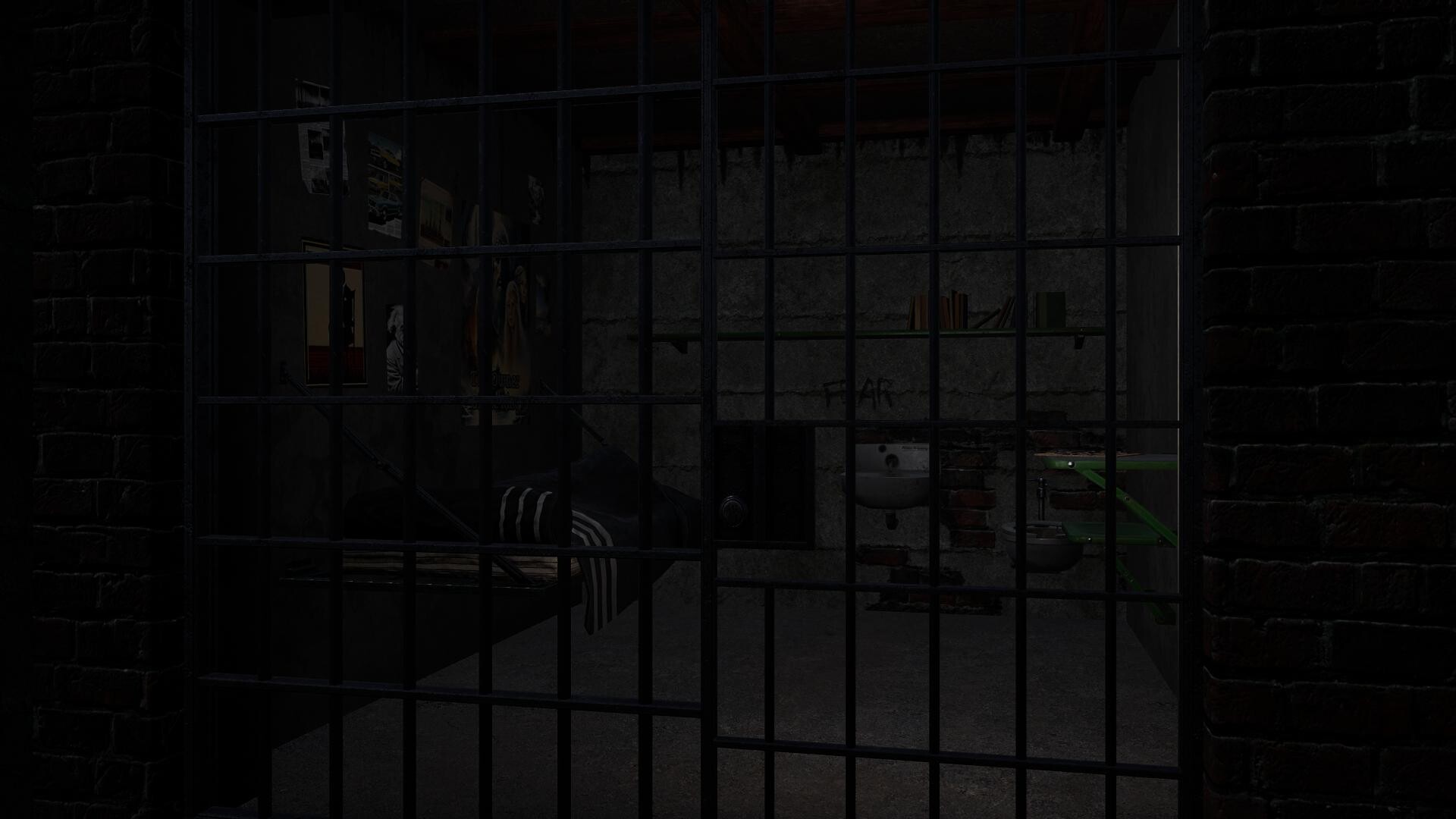
The official premise centers on Jin, a protagonist whose search for a missing sister leads him to a remote mansion. Inside, the place feels less abandoned than deliberately erased: furnished rooms with no photos or names, locked doors, and signs people passed through under strict control. Restoring power and systems reveals encrypted documents, suspicious transfers, and falsified identities—puzzle elements that tie directly to the investigation.

When and where
Trace of the Villa launched on 28 May, 2026 and is listed on Steam; developer and publisher are both Steadyturtle Co., Ltd. The Steam page is the primary storefront for PC players to wishlist and purchase.
Why the theme matters
At its core the story is about erased identities and the traces people leave behind. The personal stake—Jin’s missing sister—turns a conventional mansion mystery into a psychological investigation where financial records, falsified identities, and locked systems are as revealing as eyewitness testimony. For players who value narrative stakes grounded in family and institutional secrecy, that framing sharpens every puzzle solved.
How you progress (without spoilers)
Progression is investigative and layered rather than combat-first. You restore power and systems, unlock secured compartments and safes, read manifests and fragments of encrypted documents, and follow financial trails and records that point toward larger, concealed operations. Puzzles are used to reveal more evidence and open new areas; environmental storytelling fills gaps where photographs and names are missing. The Steam categories include “Playable without Timed Input,” which suggests the design favors deliberate reading and puzzle-solving over timed skill checks.
Who should wishlist it — concrete player scenarios
- Methodical investigators: you like to piece a story together from documents, logs, and locked safes rather than rely on cutscenes.
- Atmosphere-first players: you prefer slow-burn suspense, unsettling emptiness, and detailed rooms that imply backstory.
- Puzzle explorers who avoid reflex pressure: “Playable without Timed Input” points to an experience for thoughtful play sessions.
- Accessibility-conscious players: subtitle options, color alternatives, and custom volume controls make the game approachable for different needs.
How it compares — genre and tone (editorial discovery)
| Title | Genre / Atmosphere | Puzzle & Exploration Focus | Story Tone & Pacing |
|---|---|---|---|
| Inscryption | Adventure · Indie · Strategy — inky, psychological | Card-driven systems + escape-room puzzles; meta layers | Claustrophobic, puzzle-heavy, and psychologically unsettling |
| Outer Wilds | Action · Adventure — open-world cosmic mystery | Exploration-led, physics and system-based puzzles across an open solar system | Curious, gradually unfolding, player-directed pacing (time-loop structure) |
| The Medium | Adventure — psychological horror with dual-reality exploration | Environmental puzzles across two overlapping realms | Brooding, narrative-driven with a steady reveal of trauma and secrets |
| The Forgotten City | Adventure · Indie · RPG — narrative time-loop mystery | Dialog and consequence-driven puzzles; moral and investigative choices | Intellectually driven, deliberate pacing focused on narrative consequence |
Editorial note: these comparisons focus on atmosphere, puzzle style
YouTube discovery
For trailer and gameplay discovery, use YouTube search rather than relying on unverified embeds: Find Trace of the Villa trailer and gameplay searches on YouTube.
Reader decision checklist
Use this checklist before deciding whether Trace of the Villa belongs on your Steam wishlist. The game is most relevant if you enjoy reading environmental evidence, following document trails, inspecting rooms for small inconsistencies, and letting a mystery unfold through objects rather than exposition. It is less about instant spectacle and more about the slow pressure of a place that seems to have been deliberately erased.
SEO note for discovery-minded players
Players searching for atmospheric mystery adventure, clue-driven exploration, mansion mystery game, story-rich indie adventure, psychological investigation game, or narrative puzzle design are likely looking for the same core appeal: a PC game where the setting is not just a backdrop but the main source of evidence. Trace of the Villa fits that search intent because its official Steam premise centers on Jin, his missing sister, a remote mansion, restored systems, hidden compartments, safes, encrypted documents, and a trail of suspicious records.
Final player-fit summary
Wishlist Trace of the Villa if you want a slow investigation built around official Steam store elements: a 28 May, 2026 release from Steadyturtle Co., Ltd., a single-player PC/Steam mystery structure, official screenshots showing the mansion atmosphere, and a premise that uses the house itself as a puzzle box. The strongest fit is for players who prefer patience, observation, and narrative reconstruction over fast combat or loud horror beats.
Leave a Reply