
Trace of the Villa — a premise-first guide for players who want story context without spoilers
Trace of the Villa puts you in Jin’s shoes: a search for a missing sister leads to a remote, deliberately forgotten mansion full of erased lives and sealed evidence. This two-sentence primer tells you the tone — atmospheric mystery adventure built around investigation and environmental storytelling — and nothing that spoils how the trail unfolds.

The 5W1H — who, what, when, where, why, and how
Who is this for?
Players who favor story-rich indie mystery with investigative beats: people who want to piece a narrative together from physical clues, restored systems, and fragmented documents. Note the game’s Steam categorization — Action, Adventure, Indie — so expect investigative pacing with adventure elements rather than a purely contemplative walking sim.
What is the game?
Trace of the Villa is a single-player narrative mystery in which protagonist Jin follows leads to a decaying, off-grid mansion. According to the official Steam copy, Jin recovered manifests and hints that indicate his sister may still be alive somewhere along the trail he’s about to follow. Inside the estate, rooms appear furnished as if occupants vanished mid-routine; systems and safes yield fragments of encrypted documents, suspicious transfer records, and falsified identities that point to a carefully concealed operation.
When and where is it available?
Trace of the Villa released on 28 May, 2026 and is available on Steam for PC. Developer and publisher: Steadyturtle Co., Ltd. (listed on the Steam page).
Why does the premise matter?
The premise — family search colliding with institutional erasure — frames how the game signals discoveries. Rather than a linear narrative dump, story beats come from reactivating the mansion: restoring power, unlocking hidden compartments and safes, and assembling encrypted fragments. That design choice places narrative curiosity front and center: you’re motivated to keep following small reveals because each one reframes who belonged here and why identities were removed.
How you read clues and progress
The official Steam description describes specific investigative rhythms: when Jin restores power, secured systems come back online; hidden compartments unlock; and safes yield fragments of encrypted documents and suspicious transfer records. Puzzles and unlocked systems create a layered progression — each solved puzzle exposes another layer of the operation behind the mansion. Expect exploration, environmental storytelling, and clue-driven puzzle resolution rather than exposition-heavy cutscenes.
Compact facts
| Title | Trace of the Villa |
|---|---|
| Steam AppID | 3483660 |
| Release date | 28 May, 2026 |
| Developer / Publisher | Steadyturtle Co., Ltd. |
| Genres | Action; Adventure; Indie |
| Categories (selected) | Single-player; Color Alternatives; Custom Volume Controls; Playable without Timed Input; Subtitle Options; Family Sharing |
| Official short premise | Jin has spent years searching for his missing sister, pursuing leads that took him to a remote, decaying mansion where he recovered manifests and hints that indicate his sister may still be alive, somewhere at the end of the trail he is about to follow. |
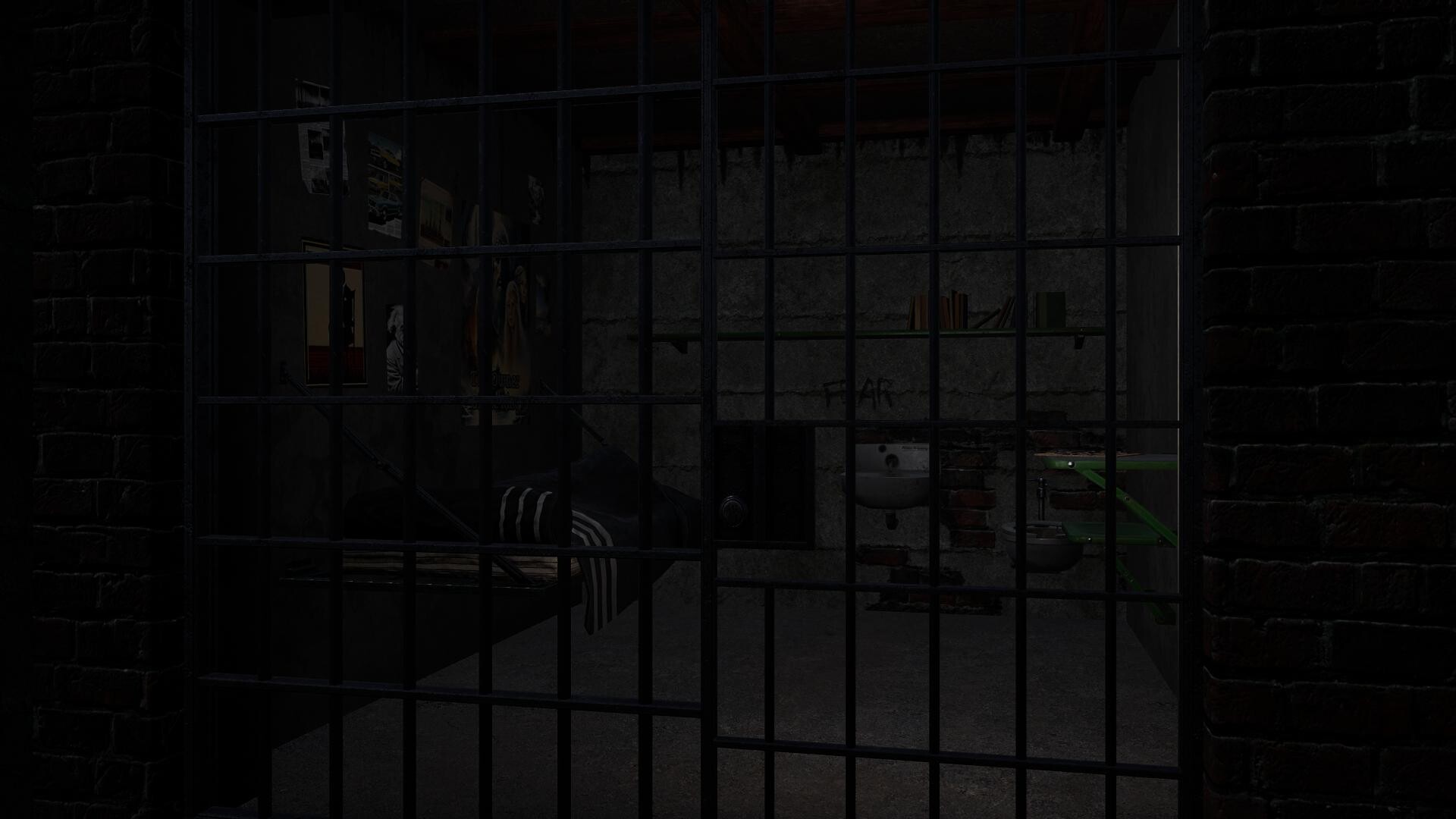
Two in-game screenshots from the Steam page

Player scenarios — who should wishlist this
- Slow-burn mystery fans: You enjoy the slow accretion of meaning from small, tactile discoveries — reading manifests, piecing together transfer records, and finding locked compartments that suddenly make sense.
- Environmental-storytelling players: You prefer world details and recovered systems to explicit narration; the game’s premise centers on restoring power and systems to coax secrets out of place and object.
- Hybrid action-adventure players: The Steam tags include Action and Adventure — if you like investigation threaded into an adventure with occasional action beats, this fits better than a pure walking sim.
- Puzzle-driven detectives: You’re motivated by puzzles that unlock the next narrative layer rather than puzzles as self-contained challenges; solving one safe or restoring one system leads to new documents and data to interpret.
How it compares — brief editorial table
| Title | Core focus | Story delivery | Puzzle & exploration | Pacing / tone | Player fit |
|---|---|---|---|---|---|
| Trace of the Villa | Mansion mystery; investigative adventure | Clues through restored systems, documents, environmental detail (protagonist: Jin) | Clue-driven puzzles that unlock new narrative layers | Atmospheric, slow-burn suspense with action/adventure elements | Players who like detective work + environmental storytelling |
| Inscryption | Card-based odyssey blending deckbuilding and escape-room puzzles | Layered meta-narrative revealed via cards and scripted discoveries | Escape-room style puzzles and card mechanics; emergent secrets | Psychological, often claustrophobic and dark | Players who like roguelike/card mechanics mixed with mystery |
| Outer Wilds | Open-world space mystery | Exploration-centered reveals across a solar system | Environmental puzzles tied to planetary mechanics and discovery | Curious, exploratory pacing with systemic mystery | Players who prefer non-linear discovery and grander scope |
| Steam page
View Trace of the Villa on Steam YouTube discoveryFor trailer and gameplay discovery, use YouTube search rather than relying on unverified embeds: Find Trace of the Villa trailer and gameplay searches on YouTube. Comments |
Leave a Reply