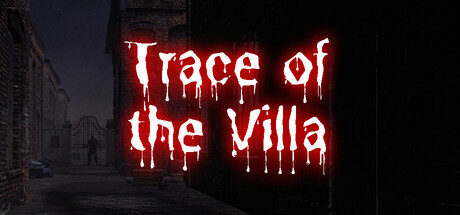
Trace of the Villa — a premise-first guide for players who want story context without spoilers
Trace of the Villa drops players into Jin’s long, quiet search for a missing sister inside a remote, deliberately forgotten mansion where recovered manifests and hints suggest she might still be alive. The game leans on environmental storytelling, locked-away systems, and clue-driven investigation to reveal a concealed operation rather than a simple haunted house—ideal reading for players who want mood and motive before they play.

Quick facts
| Title | Trace of the Villa |
|---|---|
| Developer / Publisher | Steadyturtle Co., Ltd. |
| Release date | 28 May, 2026 |
| Genres | Action, Adventure, Indie |
| Key Steam categories | Single-player; Color Alternatives; Custom Volume Controls; Playable without Timed Input; Subtitle Options; Family Sharing |
| Steam AppID | 3483660 |
| Official short premise | Jin has spent years searching for his missing sister, pursuing leads that took him to a remote, decaying mansion where he recovered manifests and hints that indicate his sister may still be alive, somewhere at the end of the trail he is about to follow. |
Who this is for
If you prefer slow-burn suspense and reading the scene over blunt scares, Trace of the Villa is aimed at you. The Steam page positions the protagonist Jin as a methodical investigator: players who enjoy environmental storytelling, piecing together encrypted documents, and chasing a human-scale mystery—rather than immediate action or fast-paced combat—will find its premise appealing. The presence of subtitle options, color alternatives, and “playable without timed input” also suggests accessibility-minded pacing and clarity of clues.
What the game is (premise-first)
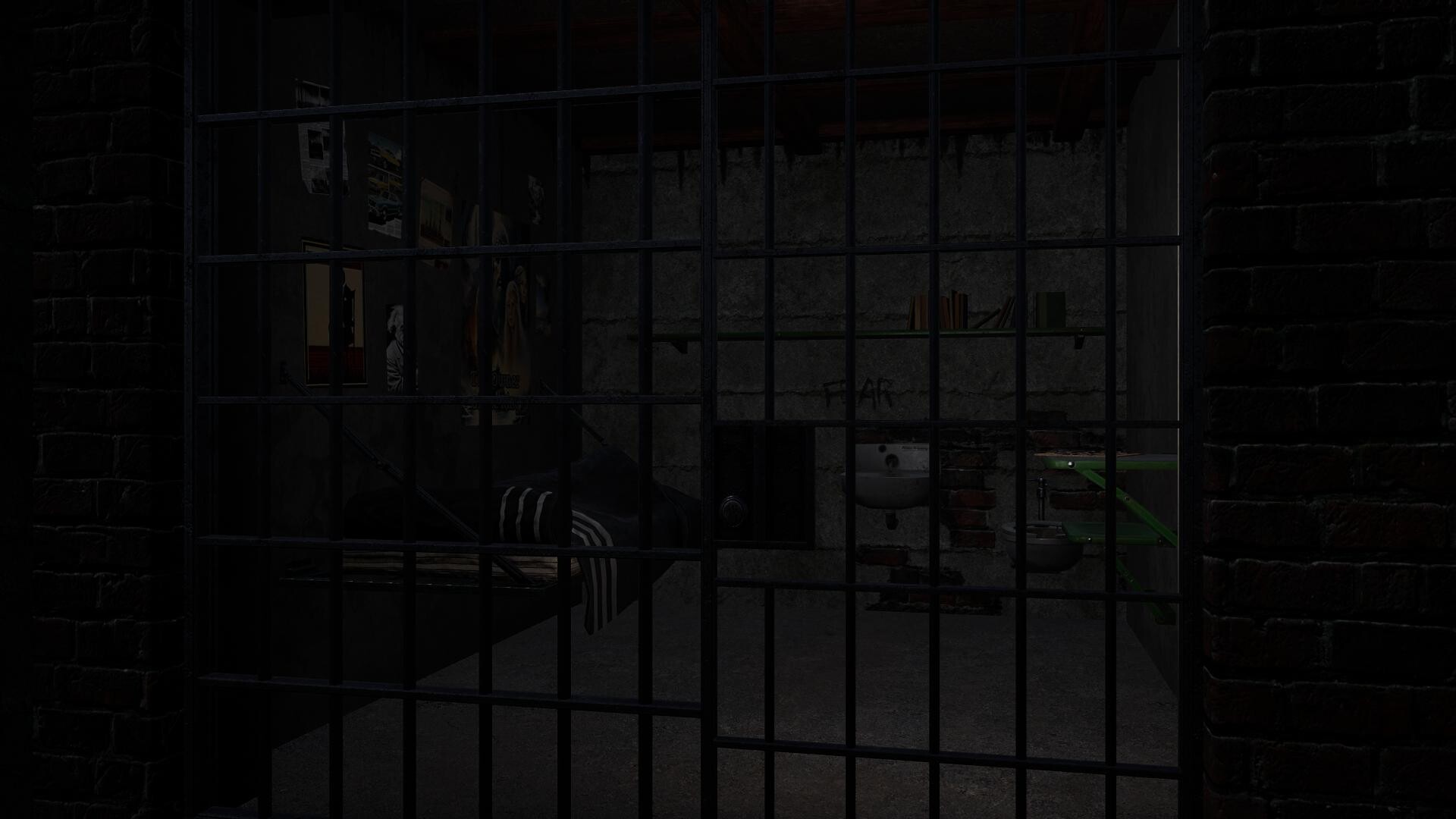
At its core, Trace of the Villa is an atmospheric mystery adventure about investigation. Jin follows a lead to a decaying, off-grid mansion where rooms look as if occupants vanished mid-routine. Restoring power is a central moment in the premise: secured systems come back online, hidden compartments unlock, and safes yield fragments of encrypted documents and transfer records. The official description frames the mansion less as an abandoned relic and more as a deliberately erased site used in a hidden operation—so the narrative curiosity is about uncovering identity, logistics, and intent rather than a single shock reveal.

When and where to find it
Trace of the Villa was released on 28 May, 2026 and is available on Steam for PC. Use the official Steam store link to wishlist, purchase, or follow updates:
Why the theme matters: what the premise promises to investigate
The game’s theme centers on missing identity and institutional erasure. The official description repeatedly emphasizes absent records, falsified identities, and movements masked behind transfers—language that promises an investigative arc focused on systems and paperwork as much as physical clues. For players who like narrative puzzles grounded in plausible procedural detail (manifests, transfer records, encrypted fragments), this framing signals that the mystery will unfold through evidence reconstruction rather than abstract metaphors.
How you’ll progress: reading the mansion and following the trail
Based on the Steam description, progression is built around environmental and system-based reveals: restore power, access secured systems, decrypt fragments, and follow financial or identity trails. Expect locked doors and safes to act as narrative gates; each unlocked item appears designed to add a new factual layer rather than simply jump-scare the player. The game’s categories—like “Playable without Timed Input” and subtitle options—suggest a measured pace that favors careful inspection over reflexes.
Player scenarios: who should wishlist it now
- Investigation-first players: you want to read paperwork, trace transfer records, and make sense of a deliberately sanitized location.
- Atmosphere-focused explorers: you value rooms staged as evidence and a slow reveal of motive through environment.
- Accessibility-minded players: subtitle options, color alternatives, and no-timed-input design keep the focus on reading and discovery.
- Not for you if: you need fast action or multiplayer hooks—this is presented as single-player, narrative investigation.
How it compares — quick editorial table
Below is a compact comparison to help readers decide whether Trace of the Villa fits their tastes versus similar narrative-driven indie titles.
| Game | Core focus | Atmosphere / Tone | Narrative style | Puzzle / Exploration |
|---|---|---|---|---|
| Trace of the Villa | Clue-driven mansion investigation | Slow-burn, unsettling, institutional erasure | Evidence reconstruction (manifests, encrypted documents) | Environmental puzzles, locked systems, document decryption |
| Inscryption | Card-based odyssey blending puzzles and horror | Inky, meta-horror | Layered, metafictional secrets revealed through play | Deckbuilding + escape-room puzzles |
| Outer Wilds | Open-world mystery about a trapped solar system | Curious, elegiac exploration | Player-led discovery across interconnected systems | Exploration, environmental clues, time-loop mechanics |
| The Forgotten City | Time-loop investigation in ancient Rome | Philosophical, tense mystery | Dialog and consequence-driven puzzle solving | Moral puzzles, exploration, time manipulation |
| The Medium | Psychological horror exploring spirit/reality duality | Dark, reflective, eerie | Parallel-reality investigation | Puzzle solving across two realms |
Use this table to match the kind of narrative curiosity you like: Trace of the Villa emphasizes paperwork, power restoration, and procedural reveals rather than metafictional mechanics (Inscryption) or cosmic time loops (Outer Wilds).
YouTube trailer / discovery
If you want to watch trailers or early gameplay footage, search YouTube for Trace of the Villa trailers and gameplay using this discovery link (search results may include community videos): YouTube search for Trace of the Villa trailer & gameplay.
Final read — should you wishlist it?
Wishlist Trace of the Villa if you prioritize slow, document-rich investigation and environment-first storytelling. The official premise and Steam categories indicate a single-player, accessibility-aware mystery that rewards methodical reading of clues and reconstructing erased identities. If you want to go in blind on specifics, the premise alone gives you enough to decide whether the tone and investigative focus match your preferences without spoiling the house’s secrets.
Disclaimer
Referenced titles and trademarks belong to their respective owners. Comparisons are editorial discovery only, based on official descriptions and publicly available store information.
Leave a Reply