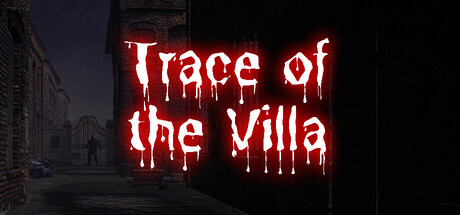
Trace of the Villa — a premise-first guide for players who want story context without spoilers
Trace of the Villa puts a personal mystery at the center of an atmospheric mystery adventure: Jin, searching for his missing sister, follows a cold lead to a remote, decaying mansion and uncovers manifests and hints that suggest she may still be alive. The game leans on environmental storytelling and clue-driven exploration, inviting players who favor slow-burn suspense and narrative puzzle design to piece together a deliberately erased past.

Who this is for
- Players who prioritize atmosphere and mystery over action-heavy sequences: Trace of the Villa is listed under Action, Adventure, Indie but its pitch emphasizes investigation and environmental storytelling.
- Fans of clue-driven exploration and slow-burn suspense who prefer piecing a narrative together from found documents, secured systems, and spatial context.
- Steam players who value accessibility options: the Steam page lists Single-player, Color Alternatives, Custom Volume Controls, Playable without Timed Input, Subtitle Options, and Family Sharing among the categories.
What the game is (premise-first)
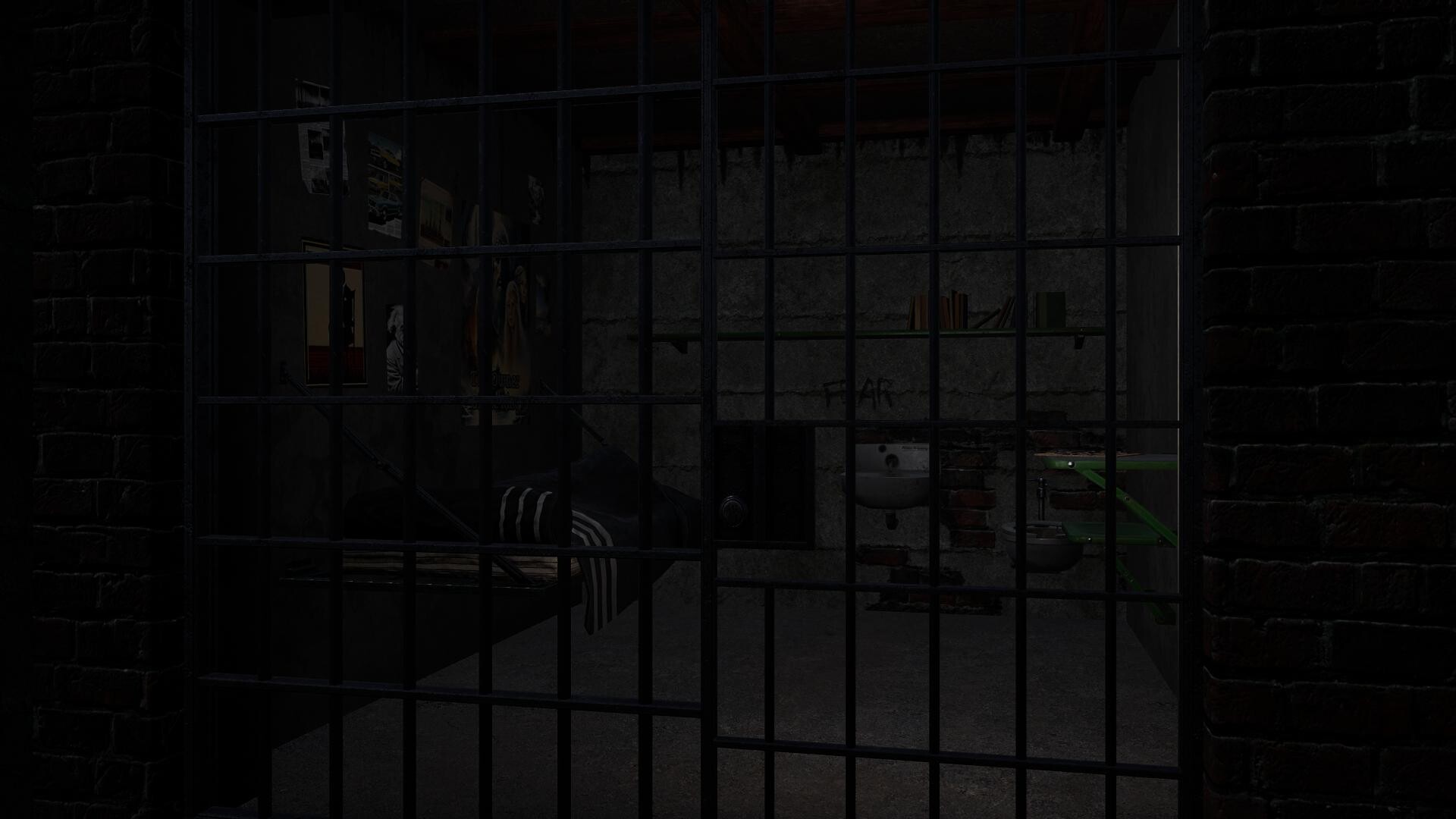
Jin has spent years searching for his missing sister. A new lead points to a property deliberately cut off from the grid: a decaying mansion with no recent records or active ownership. Inside, rooms look lived-in but emptied of identity—no photographs, no names—and the sense is that occupants were erased. When Jin restores power to the estate, secured systems reactivate, hidden compartments and safes begin to yield manifests, encrypted documents, and suspicious transfer records. The trail hints that the mansion was never just a residence but part of a larger, carefully concealed operation.
When and where
Trace of the Villa released on Steam on 28 May, 2026. It is developed and published by Steadyturtle Co., Ltd. — available on the PC Steam storefront under appid 3483660.
Why the theme matters
The core conceit—identities and histories deliberately removed—shifts the investigative focus away from immediate spectacle to forensic curiosity. Clues are not just puzzles to solve but cultural and bureaucratic blanks to interpret: manifests, transfer records, and encrypted fragments imply social systems as the mystery’s scaffolding. That makes this an appealing fit for players who prefer psychological investigation and reconstruction over straightforward reveals.
How the player reads clues and progresses (spoiler-free)
- Exploration unlocks context: restoring power and reactivating systems is explicitly mentioned in the official description as a turning point that reveals locked compartments and encrypted materials.
- Puzzle-driven discovery: safes, secured systems, and hidden compartments are part of the investigative loop described on the Steam page—progress feels like methodical assembly of documents and leads rather than rapid cutscene expositions.
- Evidence accumulates into pattern recognition: the official text notes a pattern of arrivals without records and departures without witnesses—expect narrative payoff to rely on connecting fragmented administrative traces rather than a single dramatic set piece.

Compact facts
| Title | Trace of the Villa |
|---|---|
| Release date | 28 May, 2026 |
| Developer / Publisher | Steadyturtle Co., Ltd. |
| Genres | Action, Adventure, Indie |
| Key Steam categories | Single-player; Color Alternatives; Custom Volume Controls; Playable without Timed Input; Subtitle Options; Family Sharing |
| Steam AppID / Store link | 3483660 — Store page |
Player scenarios — would you wishlist this?
- If you like slow, evidence-driven mysteries: wishlist. The narrative is built around manifests, encrypted documents, and systems that must be reactivated—appealing if you enjoy deduction from fragments.
- If you prefer upfront action or cinematic set pieces: consider waiting for impressions. The Steam descriptions emphasize investigation and erased identities rather than fast-paced spectacle.
- If accessibility and pacing options matter: wishlist. The Steam categories note Playable without Timed Input and Subtitle Options among other accessibility-friendly tags.
How it differs from nearby mystery/puzzle games
Below is an editorial comparison focused on atmosphere, puzzle style, exploration, story tone, and pacing — intended to help you decide if Trace of the Villa fits your tastes.
| Title | Atmosphere & Tone | Puzzle / Exploration Focus | Pacing / Player Fit |
|---|---|---|---|
| Trace of the Villa | Quiet, decaying mansion; erased identities and bureaucratic blanks | Clue-driven: manifests, safes, reactivated systems, encrypted fragments | Slow-burn, investigative; for players who like methodical assembly of evidence |
| Inscryption | Dark, metafictional, increasingly surreal | Card-based puzzles that fold into escape-room mechanics and meta-secrets | Layered surprises; players who want genre-blending, disturbing twists |
| Outer Wilds | Curious, cosmic; wonder mixed with melancholy | Exploration-based mysteries across a solar system; observational puzzles | Open discovery; ideal for players who enjoy spatial learning and lore threads |
| Journey | Poetic, contemplative, symbolic | Environmental traversal with narrative implied through vistas and ruins | Short, meditative; for players seeking an emotional, non-verbal arc |
| The Forgotten City | Philosophical mystery with moral stakes | Dialogue and time-loop mechanics with puzzle solutions tied to narrative choices | Structured puzzle-narrative; suits players who like consequence-driven problem solving |
| The Medium | Psychological horror; dual-reality exploration | Puzzles that use two realms to reveal story and solve environmental challenges | Atmospheric and haunting; for players who want horror-tinged storytelling |
YouTube discovery
If you want gameplay or trailer footage, search for Trace of the Villa on YouTube: Trace of the Villa trailer/gameplay search. This link points to general discovery results rather than a verified official video.
Visit Trace of the Villa on Steam
Disclaimer: referenced titles and trademarks belong to their respective owners; comparisons above are editorial discovery only and not endorsements or official associations.
Leave a Reply