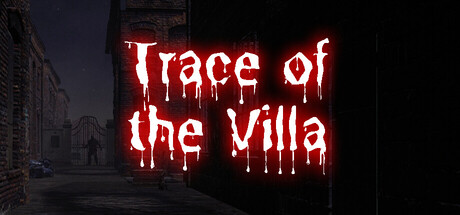
Trace of the Villa — a premise-first guide for players who want context, not spoilers
Trace of the Villa drops you into a tightly focused mystery: Jin, chasing a missing sister, follows breadcrumbs to a remote, decaying mansion where manifests and hints suggest she may still be alive. The game promises a slow-unspooling investigation built from restored systems, encrypted fragments, and rooms that feel “erased” rather than merely abandoned.

The 5W1H: Who, What, When & Where, Why, How
Who is this for?
If you prefer story-rich indie games that prize atmosphere and environmental storytelling over twitch reflexes, Trace of the Villa is aimed at you. The Steam metadata lists the game as Action / Adventure / Indie and single-player, and its premise targets players who enjoy investigative pacing, clue-driven exploration, and narrative puzzle design rather than fast-paced multiplayer or arcade difficulty spikes.
What the game is
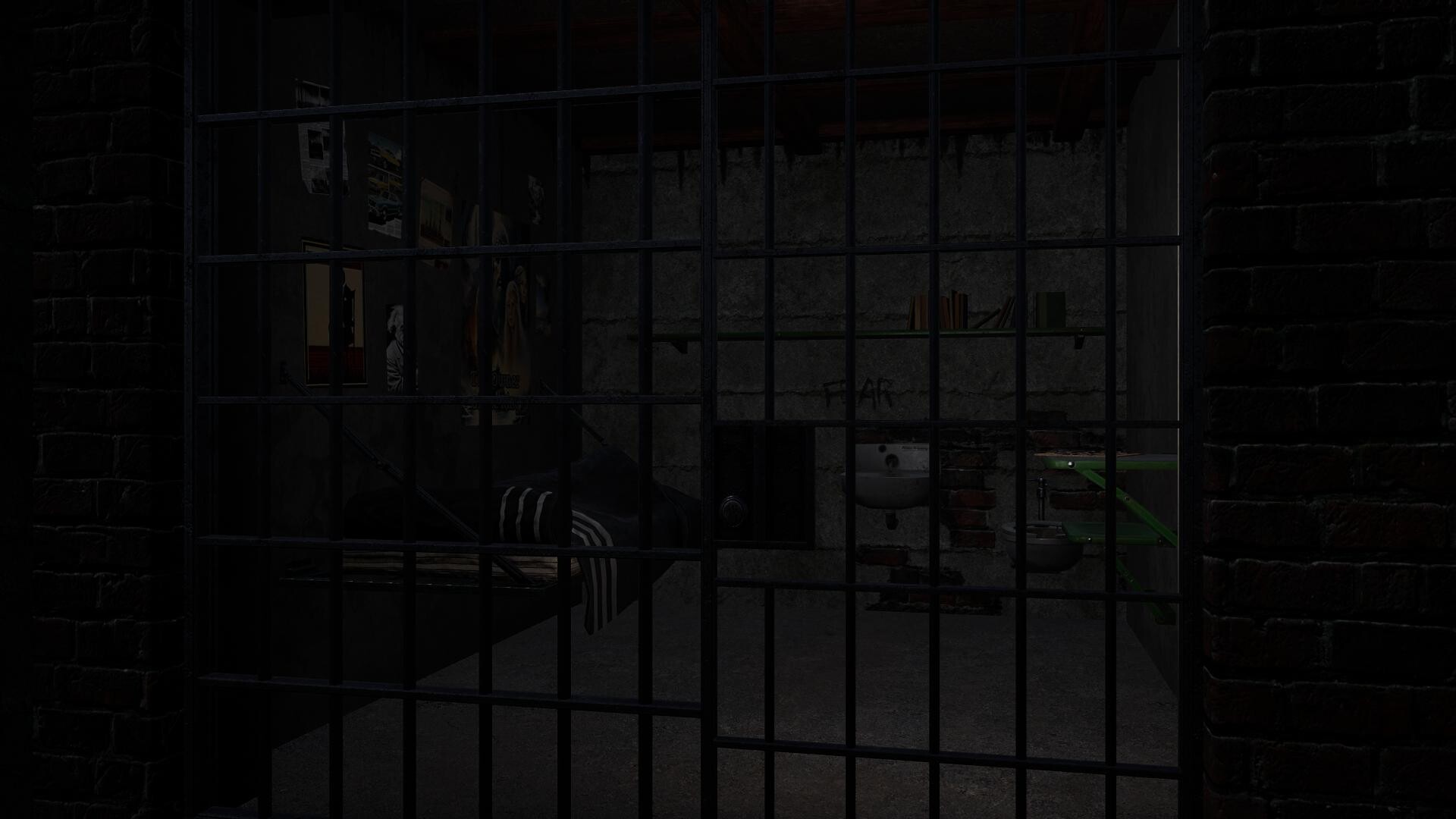
Official Steam copy frames the premise plainly: “Jin has spent years searching for his missing sister… a remote, decaying mansion where he recovered manifests and hints that indicate his sister may still be alive.” Inside the estate, rooms look like people vanished mid-routine; locked doors, encrypted documents, and suspicious transfer records appear as you restore systems and open hidden compartments. Expect a psychological investigation atmosphere and a mystery built from fragments rather than overt exposition.
When and where is it available?
Trace of the Villa released on 28 May, 2026 on Steam. It’s developed and published by Steadyturtle Co., Ltd. — the Steam store page is the primary place to wishlist, buy, and view official media.
Why the theme matters
The conceit — a property deliberately forgotten, with identities removed and movements “masked” — frames player curiosity as the main engine. Rather than send you into combat-first scenarios, the game uses the moral weight of missing people and falsified records to make each unlocked file or restored circuit feel narratively resonant. That emotional thread is what will matter most if you play for story context and hidden backstory.
How you progress
The playable systems and categories on Steam (Color Alternatives, Custom Volume Controls, Playable without Timed Input, Subtitle Options) hint at accessibility and a paced, contemplative experience. According to the official description, progress comes from restoring power, reactivating estate systems, and solving puzzles that open safes and reveal encrypted manifests and transfer records. In short: explore, restore, decode, assemble a timeline from fragments.
Official visuals

Quick facts
| Title | Trace of the Villa |
|---|---|
| Developer | Steadyturtle Co., Ltd. |
| Publisher | Steadyturtle Co., Ltd. |
| Release date | 28 May, 2026 |
| Genres | Action, Adventure, Indie |
| Categories / Features | Single-player; Color Alternatives; Custom Volume Controls; Playable without Timed Input; Subtitle Options; Family Sharing |
| Steam appid | 3483660 |
| Store page | Trace of the Villa on Steam |
Who should wishlist this — specific player scenarios
- Investigative pace fan: You prefer assembling timelines from documents and environmental cues. If reading manifests and decoding transfer records to reconstruct what really happened appeals to you, this is a fit.
- Atmosphere over action: You value a slow-burn sense of dread and the unsettled feeling of a lived-in space that’s been scrubbed of identity. The mansion’s “erased” rooms will be the prime audio-visual hook.
- Accessibility-minded player: You rely on subtitle options, custom volume, or prefer no timed inputs; Trace of the Villa lists these categories on Steam and is designed for paced play.
- Story-context seeker: You want narrative context and hidden backstory without being spoon-fed: if reconstructing motive from fragments is your idea of engagement, add it to your wishlist.
How it compares — neighboring story-rich mystery/adventure vibes
Below is an editorial comparison focused on mechanics that relate to narrative curiosity: atmosphere, pacing, puzzle vs exploration emphasis, and the tone of the mystery. These comparisons are editorial discovery, not claims of endorsement.
| Title | Core focus | Narrative tone | Puzzle vs exploration | Player fit |
|---|---|---|---|---|
| Trace of the Villa | Mansion-based investigative mystery; document recovery; system restoration | Slow-burn, unsettling, personal (search for missing sister) | Clue-driven puzzles, environmental decoding, timed-inputs not required | Players who want atmospheric, fragmentary storytelling and methodical investigations |
| Inscryption | Card-based odyssey that blends deckbuilding with escape-room puzzles | Dark, metafictional, psychologically oppressive | Puzzle and mechanical deckbuilding mix; layers of secrets revealed through mechanics | Players who enjoy genre-bending systems and meta mysteries |
| Outer Wilds | Open-world solar-system mystery with time-loop exploration | Curious, wonder-tinged, gradually ominous | Exploration-first; environmental puzzles and observational deductions | Players who prefer wide, interconnected mysteries and discovery at their own pace |
| Journey | Atmospheric exploration through ruins and landscapes | Wordless, contemplative, emotional | Exploration and ambience over formal puzzles | Players looking for mood-driven, minimalist narrative experiences |
| The Forgotten City | Narrative time-loop mystery set in an ancient city | Moral, investigative, puzzle-led | Puzzles interwoven with dialogue and time manipulation | Players who enjoy moral puzzles and branching narrative consequences |
| The Medium | Dual-reality psychological horror investigation | Haunting, psychological, trauma-focused | Puzzles tied to alternating realms and narrative revelations | Players drawn to psychological horror and dual-world puzzle design |
YouTube discovery
If you want to watch trailers or community gameplay clips, search YouTube: Trace of the Villa trailer & gameplay search
Leave a Reply