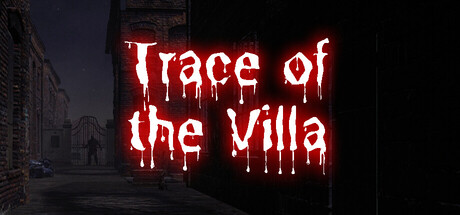
Trace of the Villa — a premise-first guide to the mansion mystery
Jin has spent years searching for his missing sister, and Trace of the Villa opens on the lead that finally points him to a remote, decaying mansion where manifests and hints suggest she might still be alive. The game foregrounds environmental storytelling, locked doors, restored power, and fragmentary records as the engine of its narrative investigation; this guide explains the premise and what kinds of players will find that approach compelling, without spoiling plot beats.

Quick facts
| Title | Trace of the Villa |
|---|---|
| Developer / Publisher | Steadyturtle Co., Ltd. |
| Release date | 28 May, 2026 |
| Steam App ID | 3483660 |
| Genres | Action, Adventure, Indie |
| Categories / Accessibility | Single-player; Color Alternatives; Custom Volume Controls; Playable without Timed Input; Subtitle Options; Family Sharing |
Who is Trace of the Villa for?
- Players who prize narrative curiosity over explicit exposition — those who enjoy piecing together backstory from objects, manifests, and encrypted fragments.
- Fans of atmospheric mystery adventure that leans on slow-burn suspense and environmental storytelling rather than constant jump scares.
- Players who appreciate accessibility options (color alternatives, subtitles, no timed input) and a single-player, story-focused experience on PC/Steam.
What the game is (premise-first)
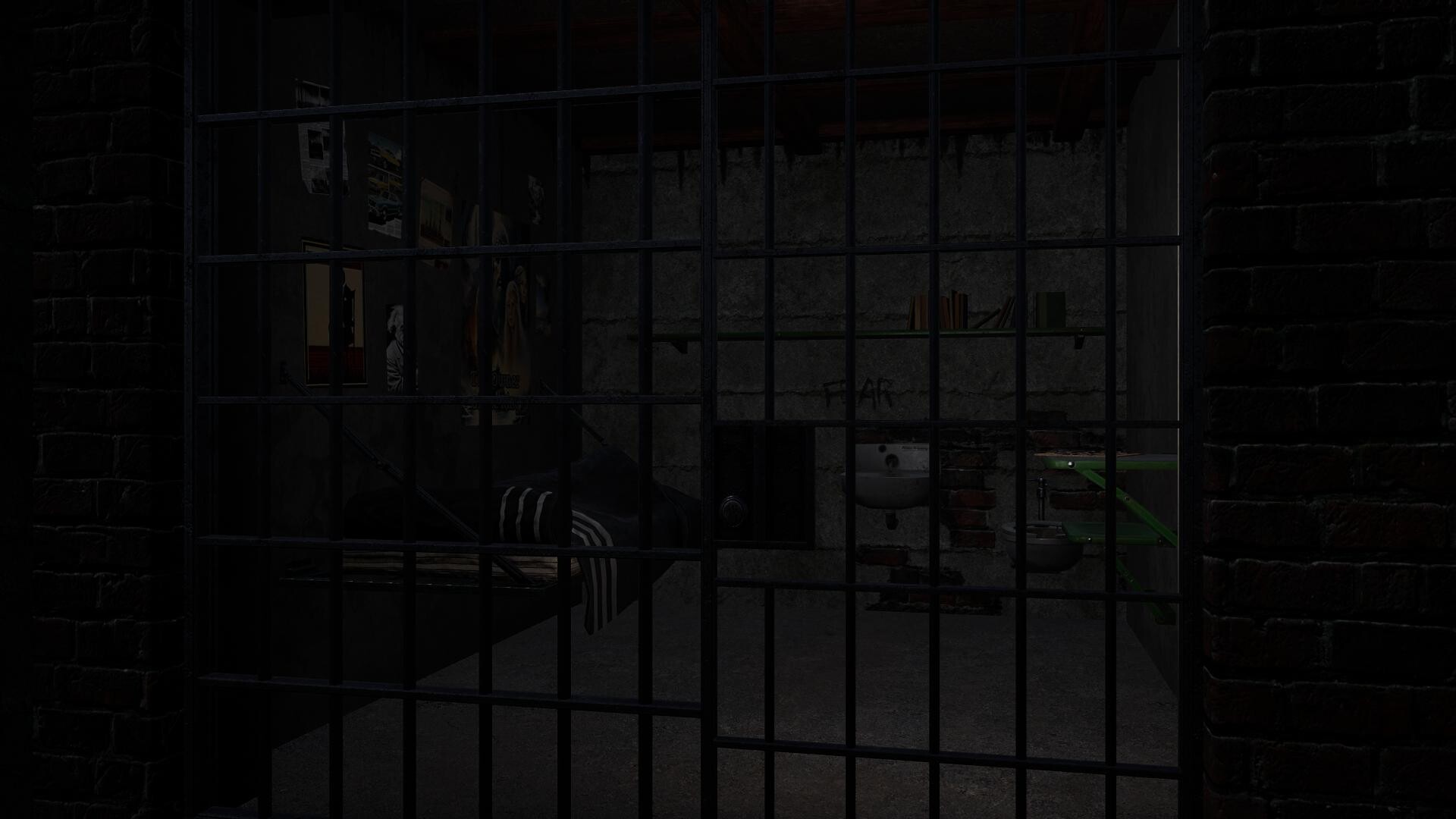
Playing as Jin, you investigate a rundown mansion cut off from the grid. The estate appears deliberately forgotten: rooms left as if their occupants vanished mid-routine, missing photographs and names, and locked systems that—when restored—begin to yield encrypted documents, transfer records, and other fragments. The official description makes it clear this is a clue-driven exploration that gradually reveals a pattern of falsified identities and arrivals/departures that were carefully managed.

When and where
Trace of the Villa released on Steam on 28 May, 2026. The Steam page lists Steadyturtle Co., Ltd. as both developer and publisher and identifies the game under Action, Adventure, and Indie on the PC platform.
Why the theme matters
The game’s core theme is disappearance as erasure: not only of people but of paperwork, photos, and identities. That deliberate removal of traces directs player attention to small, concrete artifacts—manifests, safes, encrypted documents—that stand in for a larger, concealed operation. If you want story context that grows from object-level clues rather than character monologues, this premise signals the experience you’ll get.
How you read clues and progress (no spoilers)
- Environmental forensics: rooms, personal effects, and missing items are meaningful. The official description emphasizes furnished rooms that feel like occupants vanished suddenly—so inspection matters.
- Systems restoration: when Jin restores power to the estate, secured systems and hidden compartments come back online. Expect narrative progression linked to unlocking the house’s infrastructure.
- Puzzle fragments and documents: the game explicitly mentions encrypted documents, transfer records, and manifests—narrative pieces that combine to reveal timelines and patterns rather than single-shot revelations.
- Investigation structure: the official text frames the experience as piecing together a timeline and spotting a pattern of arrivals/departures and masked movements; the campaign is investigative and cumulative.
Player scenarios — who should wishlist it
- If you like methodical, clue-driven mysteries where new systems and compartments open narrative beats, add Trace of the Villa to your wishlist.
- If you prefer puzzle-less exploration or rapid-action gameplay, consider whether the game’s investigative pacing and environmental focus match your preference.
- If accessibility matters (subtitles, color alternatives, no timed input), the Steam categories show options that support different play styles.
How it compares (editorial discovery)
Below is a concise editorial comparison across nearby narrative/puzzle titles, focused on tone, puzzle/exploration emphasis, and pacing so you can decide which fit suits your tastes.
| Title | Atmosphere / Tone | Puzzle / Exploration Focus | Pacing / Player Fit |
|---|---|---|---|
| Trace of the Villa | Eerie, erased-memories mansion mystery | Clue-driven documents, restored systems, hidden compartments | Slow-burn investigative; for players who assemble backstory from artifacts |
| Inscryption | Inky psychological horror | Card-based deckbuilding blended with escape-room style puzzles | Dark, meta-structured; for players who like layered mechanical mysteries |
| Outer Wilds | Curious, exploratory cosmic mystery | Open-world exploration with time-loop revelations | Explorers who enjoy emergent narrative and discovery at their own pace |
| Journey | Serene, evocative exploration | Traversal and environmental storytelling over puzzles | Players seeking meditative, emotional journeys rather than investigative puzzles |
| The Forgotten City | Narrative-driven moral mystery | Time-loop choices and consequence-driven investigation | Story-first players who like narrative mechanics that alter outcomes |
| The Medium | Psychological horror with dual-reality exploration | Real/Spirit realm puzzles and story beats | Players who enjoy atmospheric horror and dual
Steam pageView Trace of the Villa on Steam YouTube discoveryFor trailer and gameplay discovery, use YouTube search rather than relying on unverified embeds: Find Trace of the Villa trailer and gameplay searches on YouTube. CommentsMore posts |
Leave a Reply