
Trace of the Villa — how clue-reading and object logic unspool a mansion mystery without spoiling the ending
Trace of the Villa tasks Jin with following cold leads into a decaying, off‑grid mansion where manifests, encrypted transfers and carefully concealed systems point toward a vanished past. The game’s puzzle progression uses environmental clues and recoverable documents to reveal evidence incrementally, letting players assemble a story from objects rather than cutscenes.

What Trace of the Villa is
Developed and published by Steadyturtle Co., Ltd., Trace of the Villa launched on Steam on 28 May, 2026. Officially billed as an Action/Adventure/Indie title, it centers on Jin, a protagonist searching for his missing sister; a lead brings him to a deliberately forgotten mansion where items and restored systems begin to divulge fragments of a larger, well‑concealed operation.
How the puzzles reveal story evidence (without spoiling)
The official description outlines the game’s core reveal mechanics: restoring power to the estate brings systems back online, hidden compartments unlock, safes yield fragments of encrypted documents, and manifests and transfer records appear as recoverable evidence. Those are specific narrative hooks you can expect to encounter. What matters from a design standpoint is the editorial trade-off Trace of the Villa appears to make: rather than dumping plot information through expository scenes, it disperses evidentiary fragments across interactive puzzles and object interactions.
That design creates three practical benefits for avoiding spoilers while still threading a coherent narrative:
- Clue reading: documents and manifests function as partial, contemporaneous records—each is a discrete piece of evidence you can interpret, not a concluding synopsis.
- Object logic: the mansion’s state and the items within (personal belongings, locked systems, transfer records) convey context through placement and condition, encouraging inference over explicit explanation.
- Story puzzles: unlocking a safe or reactivating a system gives you access to another fragment; the sequence of puzzles forms a timeline without presenting a single, unavoidable reveal.

Who Trace of the Villa is for
If you prefer story‑rich adventures built around environmental storytelling and slow‑burn suspense, Trace of the Villa fits that lane. Specifically, wishlist this if you like:
- Investigative, clue-driven exploration where reading manifests and inferring timeline beats matter more than combat spectacle.
- Mansion mysteries and atmospheric, psychological investigation rather than jump‑scare horror or action-only pacing.
- Puzzle systems that link object logic (placements, locked compartments, reactivated systems) to narrative breadcrumbs.
When and where
Trace of the Villa released on Steam on 28 May, 2026. It’s listed on the Steam store as an Action / Adventure / Indie title and includes single‑player and accessibility‑adjacent categories such as Color Alternatives and Subtitle Options.
Why the theme matters — identity, erasure, and systems
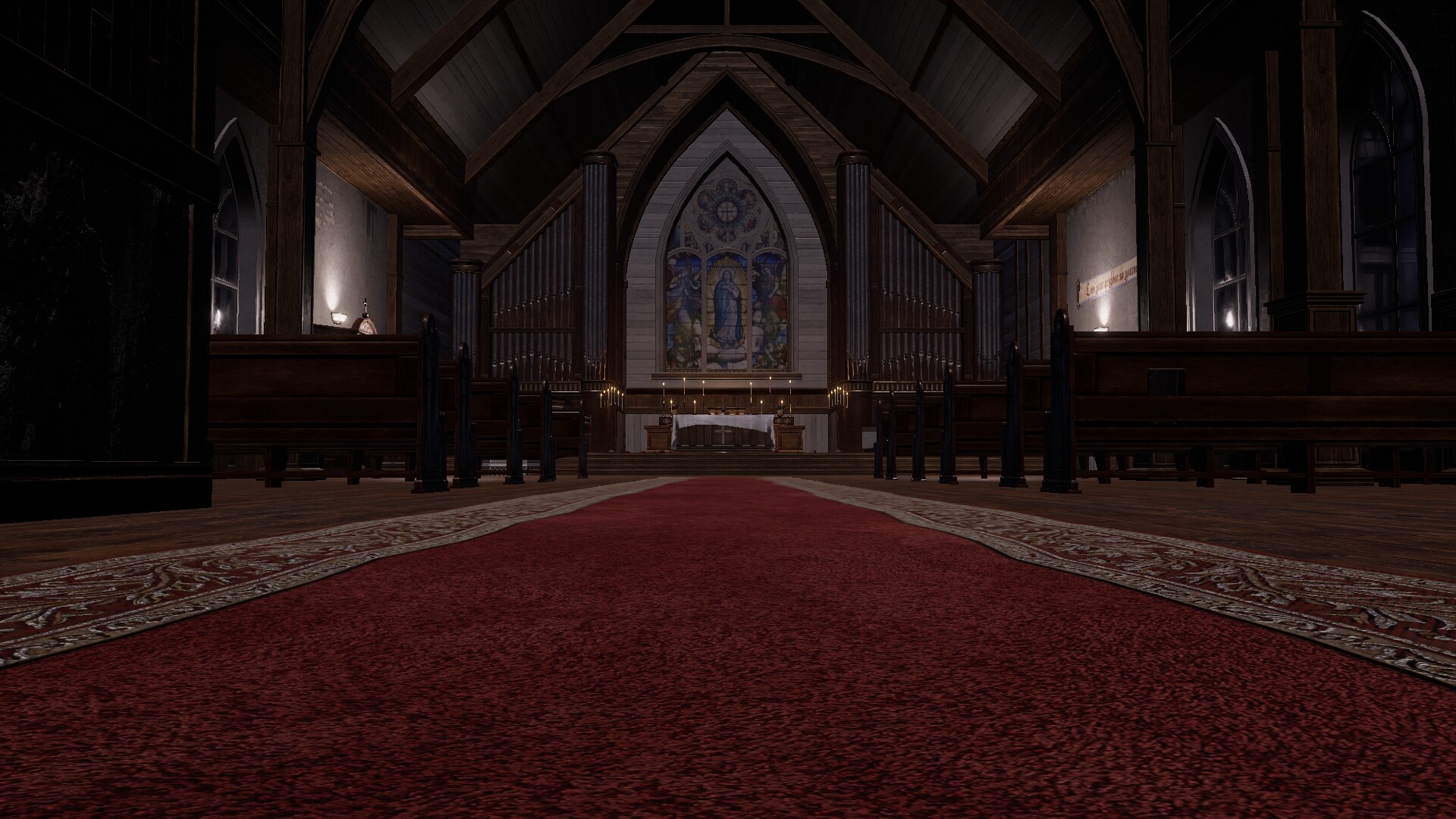
The game’s official description emphasizes a mansion that feels “less abandoned than erased”: rooms remain furnished, personal belongings are present but names and photographs are missing, and the house hides a pattern of arrivals without records and departures without witnesses. That concept—erasure through paperwork, falsified identities and masked transfers—makes the puzzle work feel investigative rather than purely mechanical. As you solve puzzles and recover documents, you are assembling evidence in the same way an investigator would, which can sharpen immersion without forcing a single, spoilable answer up front.
How to approach the puzzles (practical reading tips)
Approach each recovered item as an evidence fragment:
- Catalog what you find. Treat manifests and transfer records as clues that may connect to locations or locked systems elsewhere in the house.
- Use the environment for context. The condition of rooms and placement of belongings often suggests timeline and intent; these visual cues augment textual evidence.
- Prioritize systems restoration. The official page notes restoring power reactivates secured systems—these are likely turning points where new classes of puzzles and documents become available.
Quick facts
| Title | Trace of the Villa |
|---|---|
| Developer / Publisher | Steadyturtle Co., Ltd. |
| Release date | 28 May, 2026 |
| Genres | Action, Adventure, Indie |
| Steam categories | Single-player; Color Alternatives; Custom Volume Controls; Playable without Timed Input; Subtitle Options; Family Sharing |
| Steam page | Trace of the Villa on Steam |
How it compares (editorial discovery)
Below is a compact, factual comparison with nearby puzzle/adventure titles to help you decide whether Trace of the Villa fits your tastes. Criteria are genre, atmosphere, puzzle focus and exploration style.
| Title | Genre / Tone | Puzzle focus | Exploration style |
|---|---|---|---|
| Trace of the Villa | Action / Adventure / Indie — mansion mystery, slow‑burn suspense | Document fragments, safes, reactivated systems, manifests and transfer records | Clue-driven environmental investigation in a decaying, off‑grid estate |
| The Room | Adventure / Indie — intimate mechanical mystery | Mechanical puzzles and elaborate safes (cast‑iron safe motif in description) | Focused, single‑room to small‑scale exploration with tactile puzzle objects |
| The Room Two | Adventure / Indie — atmospheric, progressive locations | Layered mechanical puzzles across distinct, evolving spaces | Linear, room‑based progression through cryptic environments |
| Escape Simulator | Adventure / Casual / Indie — interactive escape room play |
Leave a Reply