
Trace of the Villa: How clues, object logic and story puzzles reveal evidence without spoiling the plot
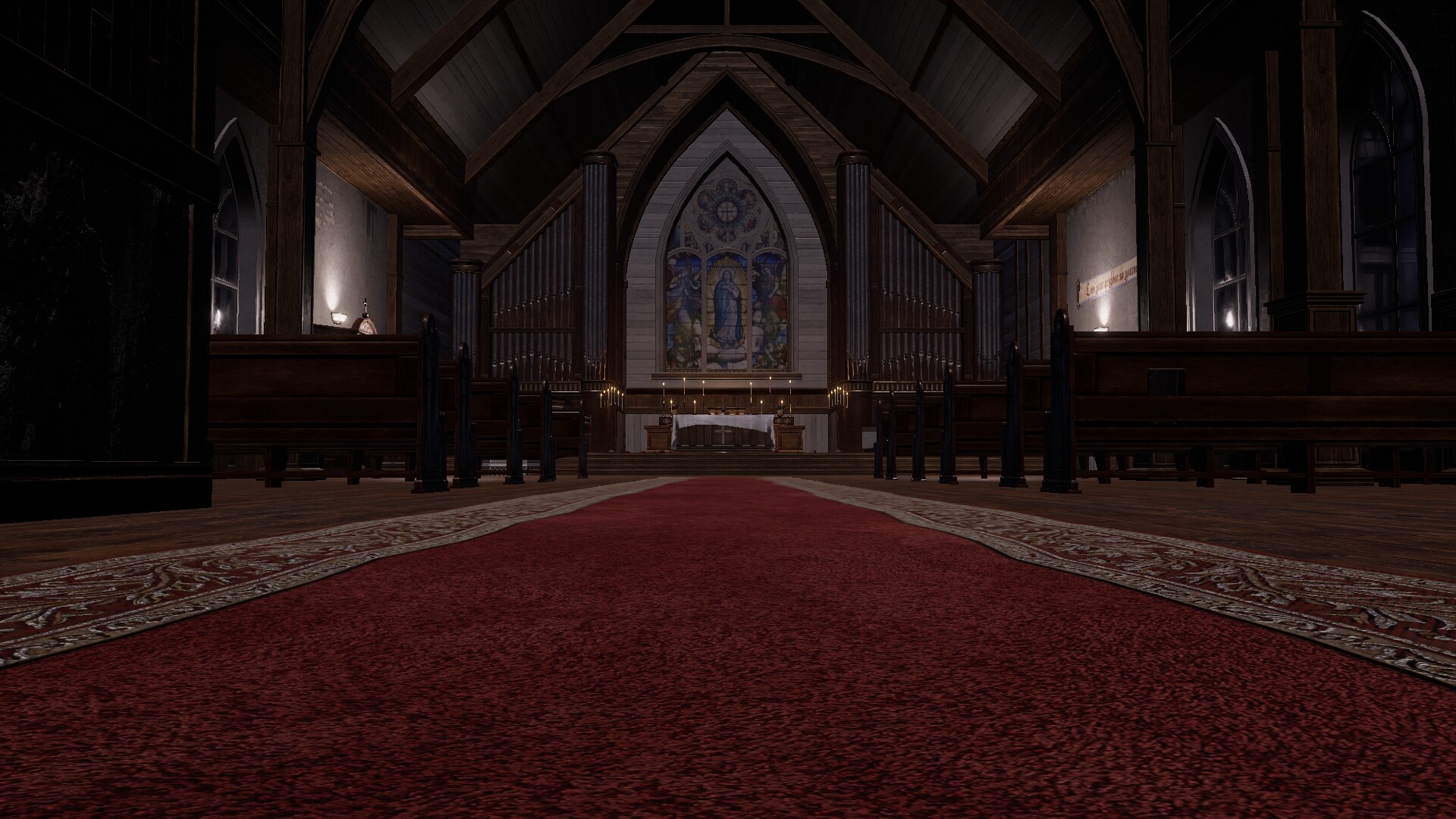
Trace of the Villa (Steadyturtle Co., Ltd.) places you in Jin’s shoes as he investigates a remote, decaying mansion, collecting manifests and hints that suggest his missing sister may still be alive. The game uses environmental storytelling and layered puzzles to disclose evidence gradually — enough to orient and compel a player without laying out the narrative’s final beats.

Quick facts
| Title | Trace of the Villa |
|---|---|
| Developer / Publisher | Steadyturtle Co., Ltd. |
| Release date | 28 May, 2026 |
| Steam appid | 3483660 |
| Genres | Action, Adventure, Indie |
| Key Steam categories | Single-player; Color Alternatives; Custom Volume Controls; Playable without Timed Input; Subtitle Options; Family Sharing |
| Official short description | Jin has spent years searching for his missing sister, pursuing leads that took him to a remote, decaying mansion where he recovered manifests and hints that indicate his sister may still be alive, somewhere at the end of the trail he is about to follow. |
Who is this for?
Players who value atmospheric mystery adventure and clue-driven exploration will find Trace of the Villa appealing. It’s aimed at those who prefer a methodical, investigative pace — people who enjoy examining objects, decoding documents, and using environmental context to assemble a timeline rather than watching plot beats handed to them. Accessibility-minded players will also appreciate options such as subtitle support, color alternatives, custom volume controls, and the ability to play without timed input.
What the game is
Trace of the Villa is a story-forward, puzzle-adjacent adventure developed and published by Steadyturtle Co., Ltd. You play as Jin, investigating a property cut off from the grid where rooms feel “erased” and evidence is buried in secured systems, safes, and encrypted fragments. The design emphasis is on restoring systems and uncovering fragments of documents and records; puzzles are the mechanism for making those fragments readable and meaningful.
When and where
The game released on Steam on 28 May, 2026. The Steam page lists developer and publisher as Steadyturtle Co., Ltd. — the store presence shows a set of screenshots and a trailer discovery path for players who want a quick look at tone and interface before deciding to wishlist.
Why the theme matters
Mansion mysteries live or die on the trust players place in environmental cues. Trace of the Villa’s premiss — vanished identities, falsified records, and an estate that seems “deliberately forgotten” — sets a stage where every recovered manifest and decrypted file carries weight. Rather than spoon-feeding conclusions, the game uses puzzle solutions to unlock artifacts of the story: a ledger entry here, a security log there. Those artifacts accumulate as evidence; they orient your suspicion without collapsing the mystery.
How clue reading, object logic and story puzzles shape the experience
The game’s core loop is investigative: find a locked system or sealed compartment, solve the puzzle that restores access, then read the fragment you uncovered. Three mechanics interact to preserve mystery while conveying facts:
- Clue reading — short manifests, transfer records, and encrypted notes appear as discrete items. Each item is a factual tile that fits into the larger mosaic; designers can control narrative pacing by limiting how many and how often you find these tiles.
- Object logic — many puzzles are rooted in physical or systemic logic (restoring power, aligning objects, unlocking safes). Solving them feels like practical detective work and grounds story reveals in player action rather than exposition.
- Story puzzles — these are puzzles whose solutions reveal narrative fragments. The fragment might suggest a transaction, a false identity, or a timeline gap. Because fragments are partial, they invite hypothesis and make players actively construct the story from evidence rather than receive it whole.
That combination gives you agency over what you learn and when: clues accumulate, but they don’t telegraph outcomes. The result is sustained curiosity rather than premature resolution.

Player scenarios — who should wishlist it
- The slow-burn investigator: You enjoy methodical pacing, reading documents, and assembling timelines. Trace of the Villa’s manifest-based storytelling and document fragments will reward patient note-taking and inference.
- The tactile puzzle fan: You like object logic and puzzles that feel physically plausible — restoring power, opening safes, and manipulating mechanisms. The interplay between physical systems and story fragments makes puzzle solutions feel narratively meaningful.
- The accessibility-minded explorer: You prefer to play without timed inputs and need subtitle or color options. The Steam page lists “Playable without Timed Input,” “Subtitle Options,” and “Color Alternatives,” indicating design attention to different play styles.
How it compares — short editorial table
| Title | Genre / Atmosphere | Puzzle focus | Exploration / Pacing | Player fit |
|---|---|---|---|---|
| The Room | Adventure / Tactile, mechanical | Intricate mechanical puzzles around safes and boxes | Self-contained puzzle chambers; deliberate | Fans of tactile, single-object puzzles |
| The Room Two | Adventure / Atmospheric, cryptic | Layered mechanical puzzles with a strong tactile feel | Structured set pieces; puzzle-led progression | Players who like focused puzzle vignettes with mood |
| Escape Simulator | Adventure / Playful, interactive | Highly interactive object puzzles; physics and manipulation | Room-by-room escape design; faster-paced with co-op options | Those who enjoy physical interactivity and community rooms |
| Unpacking | Casual / Zen, domestic | Spatial, item-placement puzzles that reveal life details | Slow, meditative; non-threatening | Players who prefer quiet narrative discovery through objects |
In short: if you want mechanical, tactile puzzles with a strong emphasis on recovered documents and a mansion mystery tone, Trace of the Villa sits closer to atmospheric investigative titles than to party-style escape rooms or purely decorative puzzles.
YouTube discovery
Looking for trailers or gameplay footage? Use this YouTube search path to find video material: Search Trace of the Villa trailers & gameplay on YouTube. Note: use the search to discover videos; the Steam data provided a search URL for discovery but does not confirm a specific official trailer video in this editorial.
View Trace of the Villa on Steam
Referenced titles and trademarks belong to their respective owners. Comparisons in this article are editorial discovery only and do not imply endorsement or sponsorship.
Leave a Reply