
Trace of the Villa: how clue-reading and object logic let the mansion tell its story — without spoiling it
Trace of the Villa is a slow-burn, atmospheric mystery adventure that puts investigation and puzzle design at the center of its story. Released on 28 May, 2026 by Steadyturtle Co., Ltd., the game follows Jin as he investigates a remote, decaying mansion, recovering manifests and other hints that suggest his missing sister may still be alive.

Who should wishlist Trace of the Villa?
If you enjoy PC mystery games that prioritize environmental storytelling, measured exploration, and puzzles that reveal evidence rather than just unlock the next corridor, Trace of the Villa is aimed at you. Players who prefer single-player, investigative adventures where clue-reading and object logic drive both gameplay and narrative discovery will find the game’s tone and structure appealing. The Steam page lists the title in Action, Adventure, and Indie; the categories include Single-player, Color Alternatives, Custom Volume Controls, Playable without Timed Input, Subtitle Options, and Family Sharing — details that signal accessibility and a solo, contemplative pace.
What the game is — premise and puzzle emphasis
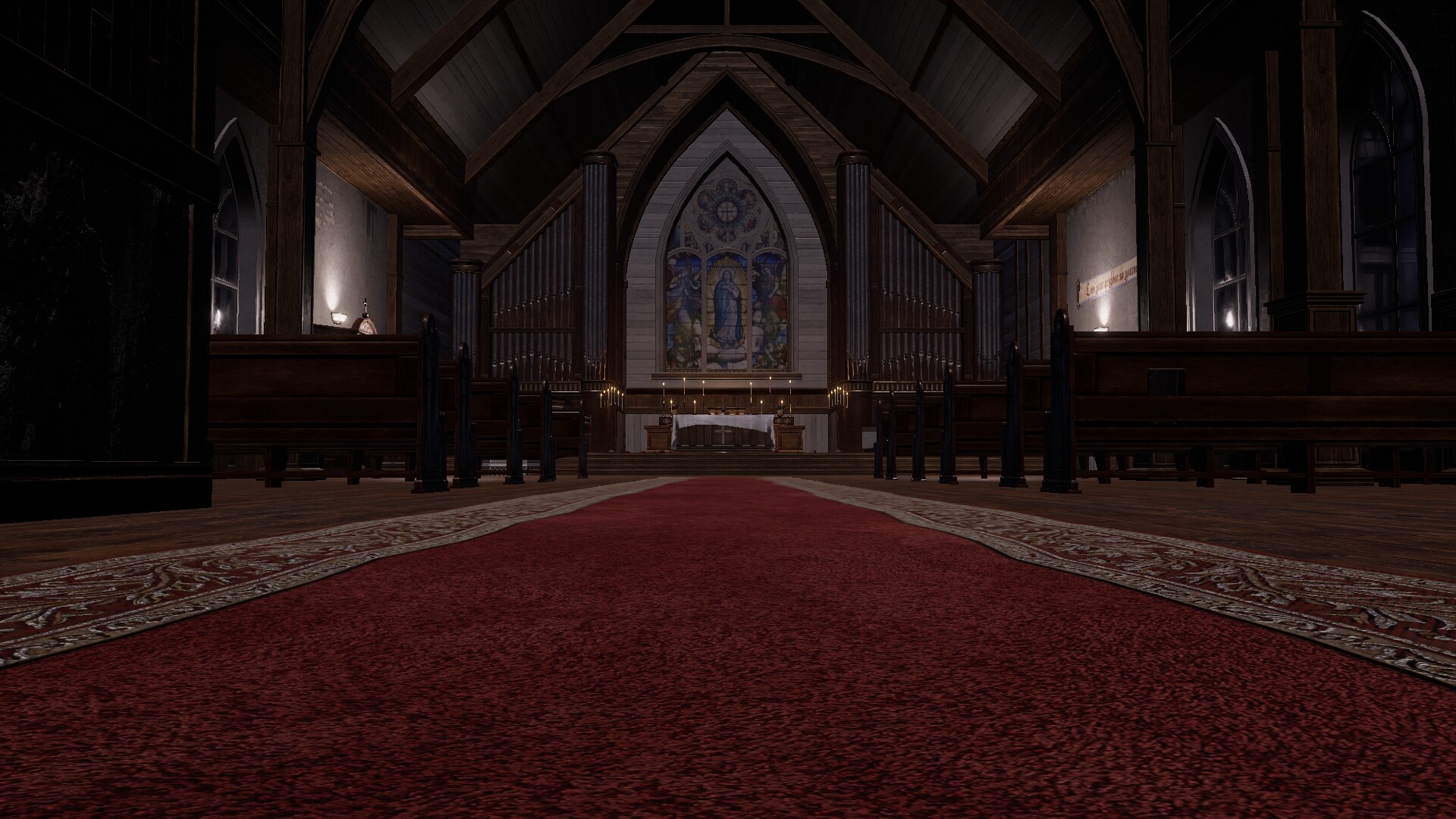
Officially described on Steam, the protagonist Jin has spent years searching for a missing sister. A lead points him to a mansion that seems “less abandoned than erased”: furnished rooms, locked doors, personal effects without names or photographs. When Jin restores power, secured systems, hidden compartments, and safes yield fragments — encrypted documents and suspicious transfer records — that build a pattern of arrivals without records and departures without witnesses. Those fragments appear through puzzles and systems that reward careful observation, not brute force.
When and where
Trace of the Villa launched on Steam on 28 May, 2026. The game is distributed by developer-publisher Steadyturtle Co., Ltd. and appears on the Steam storefront as a PC title; the Steam app page is the official hub for screenshots, the trailer, and purchase/wishlist controls.
Why the theme matters — what the mansion mystery gains from puzzle-first storytelling
Mansion mysteries rely on implication and atmosphere: clues must feel earned and situational, and the environment itself needs to behave like a witness. Trace of the Villa uses puzzle mechanics to make the house “speak” — when you restore power or open a locked chest, you’re not just gaining an inventory item, you’re recovering an argument in the case the game wants you to build. That approach keeps character and setting layered: the puzzles generate evidence, and the evidence invites interpretation without forcing a single explanatory beat too early.
How you read clues and progress — puzzle systems at work
On the Steam page the game’s investigative loop is explicit: restore systems, unlock secured compartments, and piece together documents and manifests. Expect puzzle designs that mix object logic (what belongs together, what mechanical sequences will unlock) with story puzzles (documents, manifests, and transfer records that combine into a timeline). Those mechanics encourage methodical players to take notes, cross-reference fragments, and assemble a narrative from non-linear evidence. The game’s “playable without timed input” category suggests puzzles are meant to be solved thoughtfully rather than under pressure.

Compact facts: Trace of the Villa
| Title | Trace of the Villa |
|---|---|
| Developer / Publisher | Steadyturtle Co., Ltd. |
| Release date | 28 May, 2026 |
| Genres | Action, Adventure, Indie |
| Key categories | Single-player; Color Alternatives; Custom Volume Controls; Playable without Timed Input; Subtitle Options; Family Sharing |
| Official premise | Jin searches a remote mansion, recovering manifests and hints that indicate his sister may still be alive. |
Comparison: where Trace of the Villa sits among puzzle-driven narrative games
Below is an editorial comparison focused on puzzle focus, atmosphere, exploration style, pacing, and how story is integrated. These are editorial observations based on each game’s public descriptions and design intent; they are not claims of superiority.
| Title | Puzzle focus | Atmosphere / Tone | Exploration style | Pacing / Player tempo | Story integration |
|---|---|---|---|---|---|
| Trace of the Villa | Object logic and document-based puzzles that reveal evidence | Slow-burn mansion mystery, psychological investigation | Room-by-room, systems restoration and locked compartments | Measured, contemplative; playable without timed input | Puzzles unlock fragments (manifests, transfer records) that assemble a timeline |
| The Room / The Room Two | Mechanical, tactile puzzle boxes and safes | Claustrophobic, uncanny puzzle chamber feel | Focused, set-piece rooms with singular puzzle objects | Careful, puzzle-centric — players primarily solve isolated devices | Atmospheric hints embedded in puzzles rather than textual manifests |
| Escape Simulator | Highly interactive escape-room puzzles and object interactions | Varies by room — generally playful to tense depending on map | Room-scale interaction with physics and movable objects | Variable; often faster-paced with emphasis on experimentation | Stories are often light or scenario-based; puzzle mechanics are foreground |
| Unpacking | Inventory/placement as puzzle — deductions from objects | Low-key, domestic, reflective | Linear household rooms across time periods | Relaxed, non-pressured | Life-story inferred from possessions rather than explicit documents |
Player scenarios — who will get the most out of Trace of the Villa
- The methodical evidence-builder: You like taking notes, connecting small fragments, and watching a timeline emerge from scattered documents and logs. Trace of the Villa’s manifests and secured files are designed for that mindset.
- The atmospheric explorer: You prioritize mood and setting over combat speed. The mansion’s staged rooms and the act of restoring systems are part of the reward loop.
- The puzzle-first player who hates timers: The Steam category “Playable without Timed Input” suggests puzzles are solved at your pace, not against a clock.
- The comparative player: If you enjoy The Room’s tactile devices but want a stronger narrative thread built from documents and manifests, Trace of the Villa leans into that documentary-flavored puzzle approach.
YouTube discovery
If you want trailer or gameplay footage, use the YouTube search path: Trace of the Villa trailer & gameplay (YouTube search). This is a discovery link; verify official videos on the Steam page or the developer’s channels.
View Trace of the Villa on Steam
Disclaimer: Referenced titles and trademarks belong to their respective owners. Comparisons are editorial discovery only and not claims of endorsement or official relation.
Leave a Reply