
Trace of the Villa — how clue-reading, object logic, and story puzzles reveal evidence without spoiling the plot
Trace of the Villa is an atmospheric mystery adventure about a man named Jin piecing together why a decaying mansion was deliberately erased — and whether his missing sister might still be alive. Released on 28 May, 2026 by Steadyturtle Co., Ltd., the game leans on environmental storytelling and puzzle-led investigation to hand players evidence rather than answers.

| Title | Trace of the Villa |
|---|---|
| Developer / Publisher | Steadyturtle Co., Ltd. |
| Release Date | 28 May, 2026 |
| Genres | Action · Adventure · Indie |
| Steam Categories / Accessibility | Single-player; Color Alternatives; Custom Volume Controls; Playable without Timed Input; Subtitle Options; Family Sharing |
| Steam Store | Trace of the Villa on Steam |
Who should wishlist Trace of the Villa?
If you favor story-rich adventure and slow-burn suspense—players who enjoy atmospheric mystery adventure, psychological investigation, and environment-first storytelling—this will likely fit your tastes. The Steam tags and categories indicate a single-player focus and options for accessibility (subtitles, color alternatives, no timed input), so it suits players who prefer deliberate, uninterrupted puzzle reading over twitch gameplay or multiplayer pacing.
What the game is, in practice
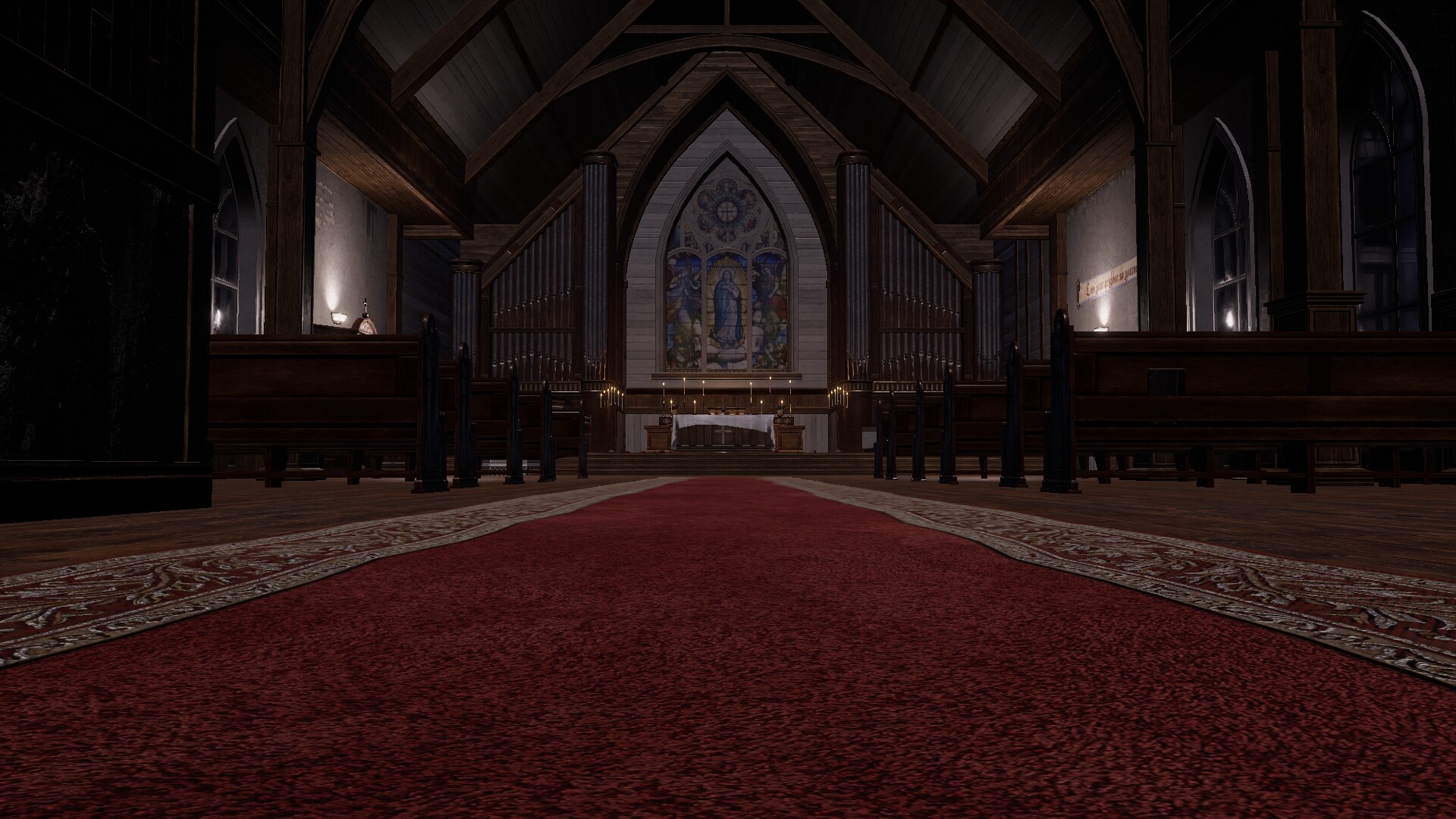
Officially framed around Jin’s search for his missing sister, the Steam description positions the mansion as the central forensic object: a property “cut off from the grid and deliberately forgotten.” Restoring power and solving puzzles turns on systems, opens hidden compartments, and yields fragments of encrypted documents and suspicious transfer records. The design promise, as stated on Steam, is that each puzzle solved uncovers another layer of a carefully concealed operation—financial trails, falsified identities, and movements masked behind fals.
When and where
Trace of the Villa launched on Steam on 28 May, 2026. The Steam store page shows standard PC distribution details and the developer/publisher listing is Steadyturtle Co., Ltd.
Why the theme matters (and how puzzles carry the weight)
The narrative conceit—an erasure of identity and itinerary—changes how puzzles are read. Instead of acting as isolated obstacles, objects and clues function as evidence that point to systems and patterns: locked safes that yield financial fragments, restored systems that alter what the environment reveals, and personal effects that are conspicuously missing (the Steam description notes a lack of photographs or names). That framing lets designers use puzzle solutions to incrementally corroborate the player’s hypotheses without bluntly stating plot turns. In other words, the mechanics are investigative tools; the inventory of solved puzzles becomes the timeline you use to make sense of the house.
How you read clues and progress (mechanically and narratively)
The Steam description emphasizes restoration and discovery: restoring power brings systems back online, unlocking hidden compartments and safes that “yield fragments of encrypted documents and suspicious transfer records.” From an editorial perspective—based on the official store messaging—that indicates a combination of environmental interaction and object-based puzzles where solutions produce new primary sources (documents, records, system logs) rather than cutscenes. This is a puzzle-led approach to storytelling: each solved object or logic puzzle is also a piece of admissible evidence, letting the player build a working theory. Because the store also lists “Playable without Timed Input” and accessibility options, the pacing favors careful reading and deduction over forced speed, which matters for players who want to savor clue interpretation.

Player scenarios — who will get the most out of it
- Evidence-minded detectives: Players who prefer collecting documents and connecting dots—rather than being handed conclusions—will appreciate puzzle solutions that serve as primary-source revelations.
- Slow-burn atmosphere fans: If you enjoy measured reveals, environmental storytelling, and piecing together a timeline from objects and logs, this fits well.
- Accessibility-conscious players: The Steam categories list subtitle options, color alternatives, custom volume controls, and the ability to play without timed input—important if you like a reflective, unhurried investigation.
- Players who dislike multiplayer or timed pressure: The Single-player focus and no-time-pressure tag point to a solitary, contemplative experience.
How it compares — editorial snapshot
| Title | Core Genre / Tone | Puzzle Focus | Player Fit |
|---|---|---|---|
| Trace of the Villa | Action · Adventure · Indie — mansion mystery, investigative | Environment-based puzzles that reveal documents, systems, and transfer records; object logic tied to narrative evidence. | Players who want story-evidence from puzzles, slow-burn reveals, single-player focus. |
| The Room | Adventure · Indie — intimate mechanical puzzle box mystery | Focused, tactile puzzle-box mechanics with layered physical interactions (safe/lock puzzles). | Players who like tight, handcrafted puzzle contraptions and short-form chapters of mystery. |
| Escape Simulator | Adventure · Casual · Indie — interactive escape rooms | Highly interactive object puzzles and physics-driven solutions; often time- or sequence-based in escape-room scenarios. | Players who enjoy high interactivity, experimenting with objects, and community-made rooms (solo or co-op). |
| Unpacking | Casual · Indie · Simulation — zen, domestic puzzle |
YouTube discoveryFor trailer and gameplay discovery, use YouTube search rather than relying on unverified embeds: Find Trace of the Villa trailer and gameplay searches on YouTube. CommentsMore posts |
Leave a Reply