
Trace of the Villa — how clues, object logic, and story puzzles let the mansion tell you its case
Jin has spent years searching for his missing sister, and Trace of the Villa frames that obsession as an atmospheric mystery adventure built around clue-reading and environmental logic. Released on 28 May, 2026 by Steadyturtle Co., Ltd., the game asks players to restore a decaying mansion’s systems, collect manifests and encrypted fragments, and let puzzles reveal evidence without spelling out the ending.

Quick facts
| Title | Trace of the Villa |
|---|---|
| Steam App ID | 3483660 |
| Release date | 28 May, 2026 |
| Developer | Steadyturtle Co., Ltd. |
| Publisher | Steadyturtle Co., Ltd. |
| Genres | Action, Adventure, Indie |
| Key Steam categories | Single‑player; Color Alternatives; Custom Volume Controls; Playable without Timed Input; Subtitle Options; Family Sharing |
| Premise (official short) | Jin recovers manifests and hints in a remote, decaying mansion that indicate his sister may still be alive, somewhere at the end of the trail. |
Who this is for
Players who prefer story-rich adventure and slow-burn suspense over twitch action. If you enjoy atmospheric mystery adventures that emphasize environmental storytelling, clue-driven exploration, and puzzle solutions that double as narrative evidence, Trace of the Villa fits that taste. The Steam listing also highlights accessibility options (subtitles, color alternatives, no timed inputs), which will appeal to players who want measured pacing and readable clues.
What the game is (and isn’t)
Trace of the Villa is presented as a mansion mystery with investigative momentum: restore power, explore furnished rooms, unlock compartments, and recover documents. Official copy describes secured systems coming back online, hidden compartments opening, and safes yielding fragments of encrypted documents and suspicious transfer records. Those recovered items act as puzzle rewards and story evidence rather than blunt narrative explanation. It’s positioned in Steam as an Action/Adventure indie title, but the core play loop described is investigative puzzle solving and exploration.
When & where to play
Trace of the Villa released on Steam on 28 May, 2026. The Steam store page lists the developer and publisher as Steadyturtle Co., Ltd., and the listing’s categories indicate a single‑player, PC-focused experience with accessibility options like subtitle support and custom volume controls.
Why the theme matters
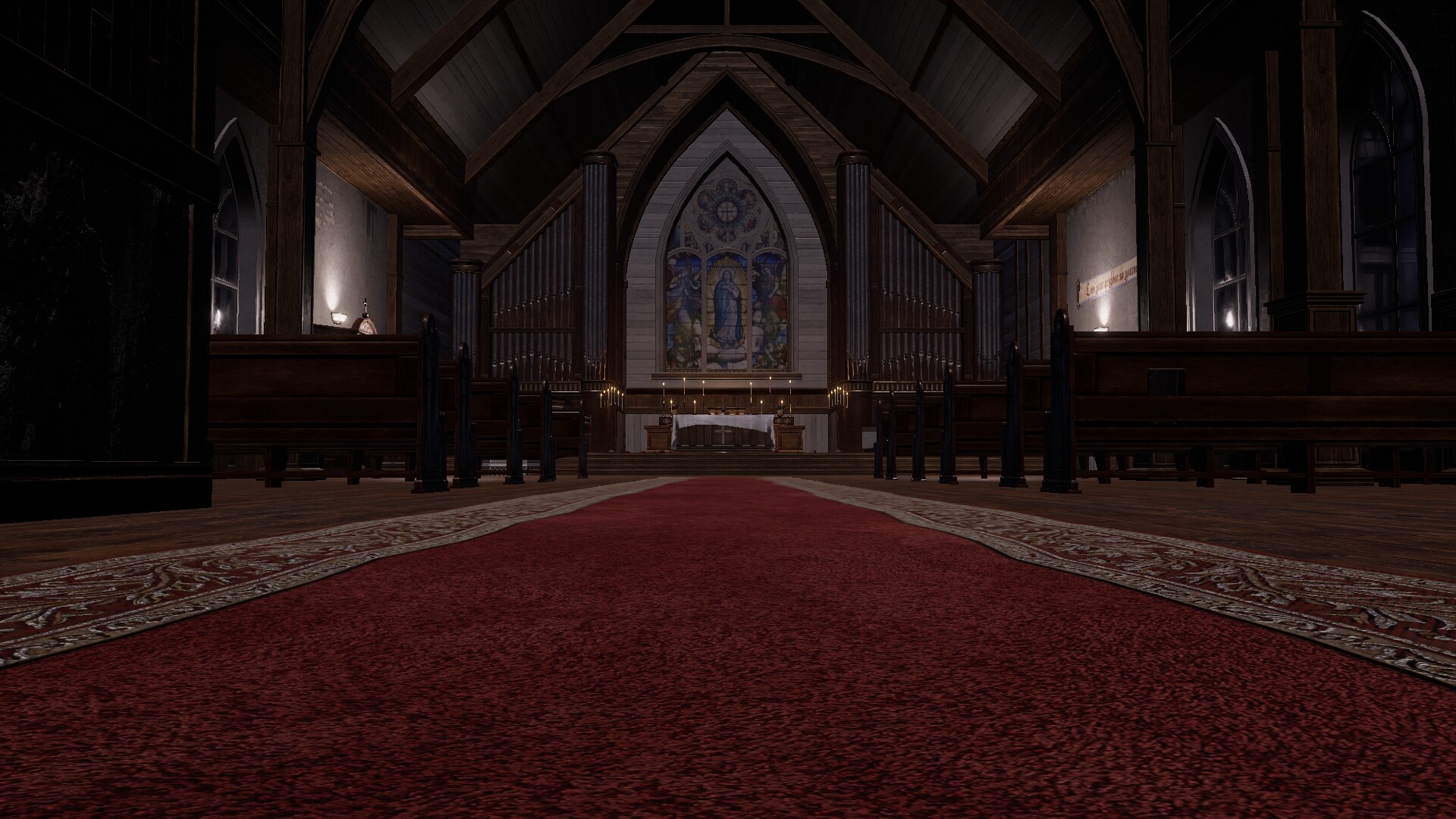
Mansion mysteries work when objects and location suggest untold histories; Trace of the Villa leans on that payoff. The official description emphasizes rooms that “feel less abandoned than erased” and the removal of identifiers: no photographs, no names, no history. That aesthetic makes every recovered manifest or encrypted fragment feel like an evidentiary clue — not only a key to the next puzzle, but a cipher for who used the house and why. For players invested in psychological investigation and environmental storytelling, this approach rewards careful reading and inference.
How puzzles reveal story evidence without spoiling plot
Based on the game’s Steam description, the puzzle design links mechanical tasks to investigative beats. Practical mechanics mentioned by the developer include restoring power to systems and unlocking hidden compartments and safes; doing so reveals fragments of encrypted documents, manifests, and suspicious transfer records. That structure lets the mansion disclose the timeline and organizational traces gradually: a restored terminal may confirm a date; a manifest may list an arrival; a transfer record suggests an operation rather than a simple household. The result is layered revelation — clues accumulate and point toward patterns without forcing the final conclusion prematurely.

Specific player scenarios — who should wishlist
- Evidence-minded detectives: You enjoy assembling a case from fragments — manifests, logs, and encrypted files — and letting inferences carry the narrative weight.
- Slow-burn explorers: You prefer atmospheric pacing and reading space for meaning rather than dialogue-heavy exposition or constant action.
- Accessibility-minded players: You want subtitle options, color alternatives, and no reliance on timed inputs so you can parse clues at your own pace.
- Players who value object logic: You like puzzles that make sense in-world (restoring power unlocks electronics, safes yield documents) and reward observational reasoning.
How it compares — short editorial table
| Title | Release Date | Genre (Steam) | Puzzle focus | Atmosphere / Exploration | Player fit |
|---|---|---|---|---|---|
| The Room | 28 Jul, 2014 | Adventure, Indie | Mechanical puzzle boxes and tactile examination | Enclosed, tactile, single‑chamber mysteries | Players who like hands‑on object puzzles and tightly choreographed set pieces |
| The Room Two | 5 Jul, 2016 | Adventure, Indie | Expanded puzzle boxes and layered mechanical systems | Broader scope than the first, still focused on set‑piece curiosities | Players wanting more elaborate mechanical challenges and atmosphere |
| Unpacking | 1 Nov, 2021 | Casual, Indie, Simulation | Object placement as narrative clue (every item tells a life story) | Zen, domestic, reflective exploration | Players who prefer gentle, life‑reading puzzles and quiet storytelling |
| Escape Simulator | 19 Oct, 2021 | Adventure, Casual, Indie, Simulation | Highly interactive escape‑room puzzles, object interaction | Room‑based, playful, often multiplayer or community content | Players who like interactive fiddliness, co‑op solutions, and community rooms |
Leave a Reply