
Trace of the Villa — how clue reading, object logic and story puzzles reveal the evidence without spoiling the mystery
Steadyturtle’s Trace of the Villa (released 28 May, 2026) sets a personal investigation inside a remote, decaying mansion where Jin follows manifests and hints that suggest his missing sister may still be alive. The game layers environmental puzzles — power restoration, safes, hidden compartments and encrypted documents — so that each solved device returns a new, often ambiguous piece of evidence rather than blunt exposition.

Who: the player this fits
This is for players who prefer narrative puzzle design over combat spectacle: people who like atmospheric mystery adventure, psychological investigation, and environmental storytelling. If you enjoy piecing timelines together from objects, documents and locked systems — rather than being told the story outright — Trace of the Villa is aimed at your tastes. The Steam page lists the game under Action, Adventure and Indie and supports single-player play with accessibility options such as subtitle options and color alternatives.
What: the game in practical terms
Trace of the Villa puts you in the role of Jin, investigating a mansion “cut off from the grid and deliberately forgotten.” Official Steam text describes restoring power, unlocking secured systems, and recovering fragments of encrypted documents and suspicious transfer records. Puzzles are presented as investigative beats — finding how to power a room, opening a safe, or reconstructing a manifest — each puzzle yields a clue or artifact that pushes the timeline and raises questions rather than delivering final answers.
When & Where: Steam specifics
Trace of the Villa released on 28 May, 2026 and is available on Steam for PC. Developer and publisher: Steadyturtle Co., Ltd. The store page lists features such as Single-player, Color Alternatives, Custom Volume Controls, Playable without Timed Input, Subtitle Options and Family Sharing.
Why the theme matters: puzzles as evidence, not spoilers
The formal setup — rooms furnished as if occupants vanished mid-routine, missing names and photographs, falsified identities and financial trails that “lead nowhere” — makes the mansion itself the primary storyteller. Because the game gives information in pieces tied to mechanics (power, safes, encrypted fragments), the mechanics are the filter through which you interpret evidence. That design protects surprises: solving a safe gives a document fragment or a transfer record, which raises new hypotheses. The game trusts players to assemble context from multiple mechanic-led reveals rather than a single explanatory cutscene.
How you read clues and progress
- Object logic: items and set dressing act as anchors — a locked door invites a power puzzle or key-hunt, and the presence of secured systems implies later reveals once power is restored (both elements are described on the Steam page).
- Document fragments: safes and locked containers yield encrypted documents or manifests that require correlation with other finds. These fragments are evidence that invite inference rather than direct statements.
- Layered disclosure: each solved puzzle “uncovers another layer,” per the official description — puzzles function as gates that sequence the story so players discover context gradually and can test competing explanations as they go.
Compact facts — Trace of the Villa
| Title | Trace of the Villa |
|---|---|
| Developer / Publisher | Steadyturtle Co., Ltd. |
| Release date | 28 May, 2026 |
| Genres | Action · Adventure · Indie |
| Steam features / categories | Single-player; Color Alternatives; Custom Volume Controls; Playable without Timed Input; Subtitle Options; Family Sharing |
| Store page | Trace of the Villa on Steam |
Comparison: where Trace of the Villa sits next to other puzzle-led experiences
Below is a focused editorial comparison on tone, puzzle emphasis and exploration approach — useful if you’re trying to decide which game aligns with your puzzle preferences.
| Title | Atmosphere / Tone | Puzzle focus | Exploration style | Player fit |
|---|---|---|---|---|
| Trace of the Villa | Slow-burn mansion mystery, psychological investigation | Document fragments, safes, power/system puzzles that reveal evidence | Single-player, focused environment where mechanics gate narrative beats | Players who like environmental storytelling and layered disclosure |
| The Room (series) | Highly tactile, intimate mystery rooms with uncanny devices | Mechanical puzzle boxes and object manipulation | Room-scale, contained scenes that center on a single puzzle object | Players who enjoy handcrafted object puzzles and tactile problem-solving |
| Escape Simulator | Bright, interactable escape-room design with physical interaction | Search-and-use puzzles, environmental interactivity, physics | Multiple rooms and community-made scenarios; often faster-paced | Players who want high interactivity and replayable room design |
| Unpacking | Quiet, domestic, slice-of-life revelation through objects | Spatial, item-placement puzzles that reveal life-story details | Calm, sequence-based rooms; narrative implied by possessions | Players who prefer low-stress discovery and inference from belongings |
Player scenarios — who should wishlist this
- If you like reconstructing a story from partial evidence: wishlist. The official description makes clear the game emphasizes manifests, encrypted fragments and transfer records revealed by puzzles.
- If you prefer constant action and explicit narrative beats: consider alternatives. Trace of the Villa structures revelation through puzzles and room-by-room discovery rather than continuous set-piece action.
- If accessibility matters: the Steam page lists subtitle options, custom volume controls and color alternatives; the game is advertised as playable without timed input.
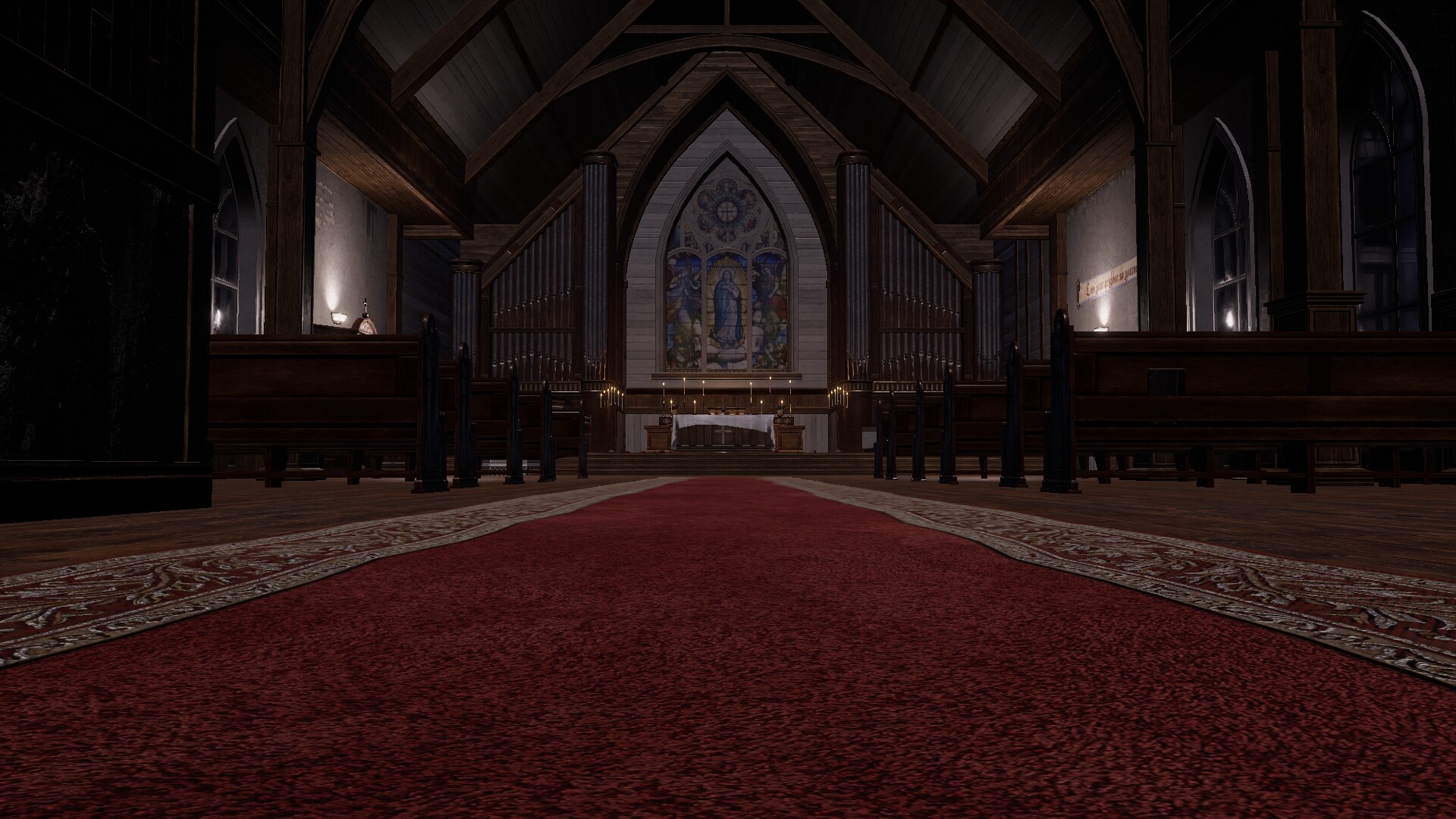

YouTube discovery
If you want to watch trailers or gameplay clips, search YouTube for Trace of the Villa — official verification of a specific video is not provided here. Use this search path: Trace of the Villa trailer & gameplay on YouTube.
Final take: what the puzzles promise
Trace of the Villa uses puzzle mechanics as an evidentiary system: you don’t just open a chest and get exposition — you activate systems, pry open safes and assemble fragments that reframe what you already know. That design invites patient players who want to piece together a timeline and weigh competing interpretations. If atmospheric mystery, environmental storytelling and clue-driven exploration define your ideal game night, this Steam release from Steadyturtle Co., Ltd. belongs on your wishlist.
Steam link: https://store.steampowered.com/app/3483660/Trace_of_the_Villa/
Disclaimer: referenced titles and trademarks belong to their respective owners; comparisons above are editorial discovery only.
Leave a Reply